You can find Part One on “How We Might Live” by Suzanne Fagence Cooper here.
I have waited longer than initially intended to craft my thoughts on “How We Might Live” into something cohesive. As with all things, I hope to evolve these ideas over time but for now I think the impression that prevails is one of disappointment, then surprise, and then surprise at my own surprise.
Firstly, the book itself and the quality of work that went into it is not the object of my disappointment. It made for an easy, empathetic, and affable read and enabled the process to move along quite quickly, despite the thickness of the volume. I particularly enjoyed the dynamic relationship Cooper sustained between personal histories and extant source material – correspondence, financial records, references to ink vs. graphite notes, collections of friendship or travel books, ephemera etc. Discussion of what records have not survived also abounded. As a former archivist I am quite familiar with how this forms a crucial part of the complete-est picture we can hope to present ourselves of any portion of the past…
Perhaps this is a good segue into my issue, however. I know all too well that no artistic persona or lionisation of historical figures will bear the scrutiny of a grounded perusal of their personal notes, correspondence, and journal entries. Sometimes I even think artists must be the most petty and manipulative individuals amidst an already deeply dysfunctional humanity at large. (I mean, I do qualify my worldview as rather misanthropic.) The book ended up being more about the artists themselves (and their wives): their miscommunications, their struggles to prioritise friendship amidst demanding financial realities or social mores, and their many affairs and jealousies.
I was perfectly unsurprised to find that my distaste for Dante Gabriel Rossetti, as a person, continued and even ripened into full bloom. I was also unsurprised to find that what social power or currency the Pre-Raphaelites (& co.) gave women as artists was diminished and de-prioritised but I hadn’t expected to learn in detail quite how early this diminuendo began. They never disappear entirely (I imagine one could hear them almost as a constant tremolo beneath the arching ‘romantic’ narrative symphony of the male artists’ lives and careers… harmonically relevant but tense). I wish we could have heard even more from Jane or Georgie or first hand from more of their friends. I was dismayed to conclude (mainly for myself) that in spite of being ‘immortalised’ and made ‘divine’ in so many paintings, Jane Morris was likely never truly loved in a romantic sense by anyone.
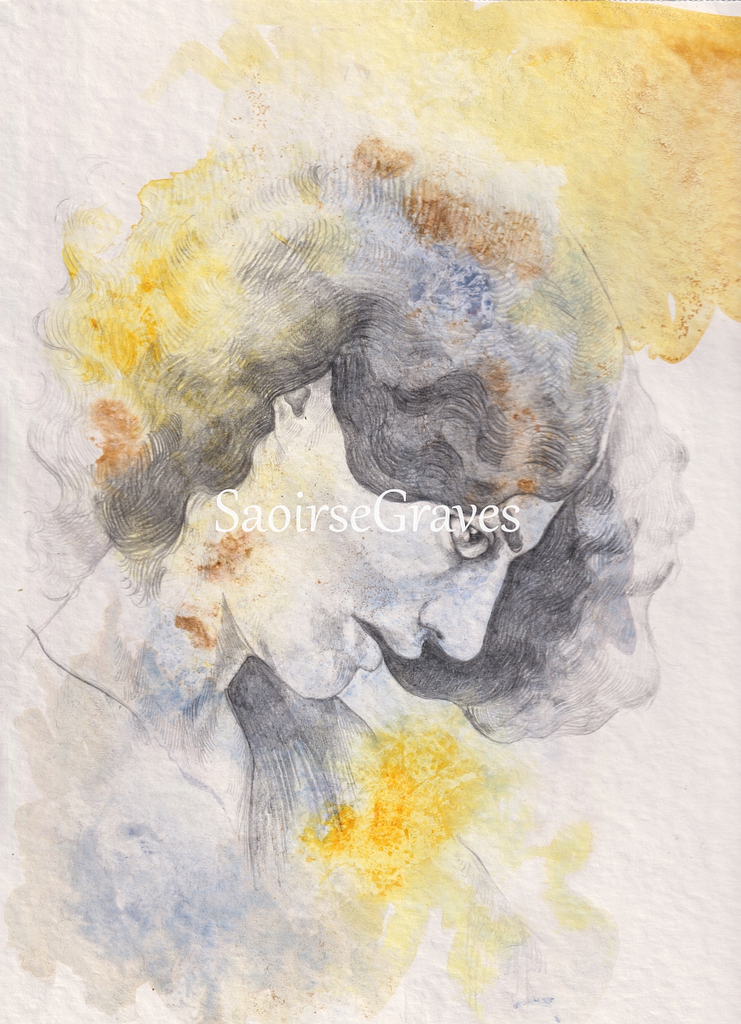
Certainly she has/had been viewed and assessed – valued for her glamour. I recognise the agency in making your own clothes, going against established dress-standards of the day, in navigating socially foreign dynamics etc. I recognise learning things later too… picking up new instruments, acquiring new languages, new poets. But again and again she is seen by others as the woman in all the portraits… her chronic pain mocked or demeaned…mentally examined, ogled, and undressed by would-be artists or would-be lovers: “[a] dark silent medieval woman with her medieval toothache.”*

This book has spoken loud and clear to my long-standing problem with the trope of “artist’s muse”. More on this in a second…
I should say that “How We Might Live” was absolutely not without interesting and valuable ideas and sources of inspiration. I was very interested to read about William Morris’ mannerisms, passion, and methods of work. I have seen elsewhere that there is an overall impression that he may have been neurodivergent…possibly autistic. He certainly makes a compelling case. Hyperfocus, seemingly rather time-blind, intense sensory experience of colour/tonality/repeating patterns, visual metaphor, the insistence on learning deep and well… a tendency to fly in to ‘rages’ and hit his head in distress, intense clumsiness… difficulty in understanding dishonesty or in perceiving when his listeners lost interest (or even WHY they might NOT be interested to begin with), etc. It seems epilepsy also ran in the family.
All of this has been very personally nutritious… It wasn’t 100% what I was aiming for in reading the book but it has left me with some greater clarity on an issue that has dogged me my entire life: muse or artist?
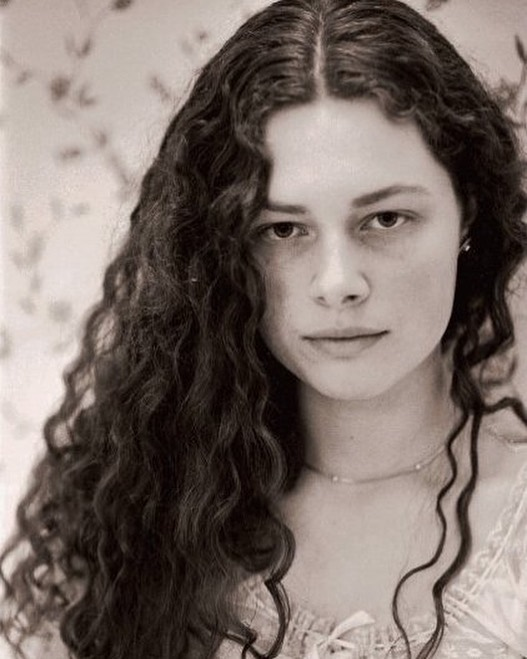
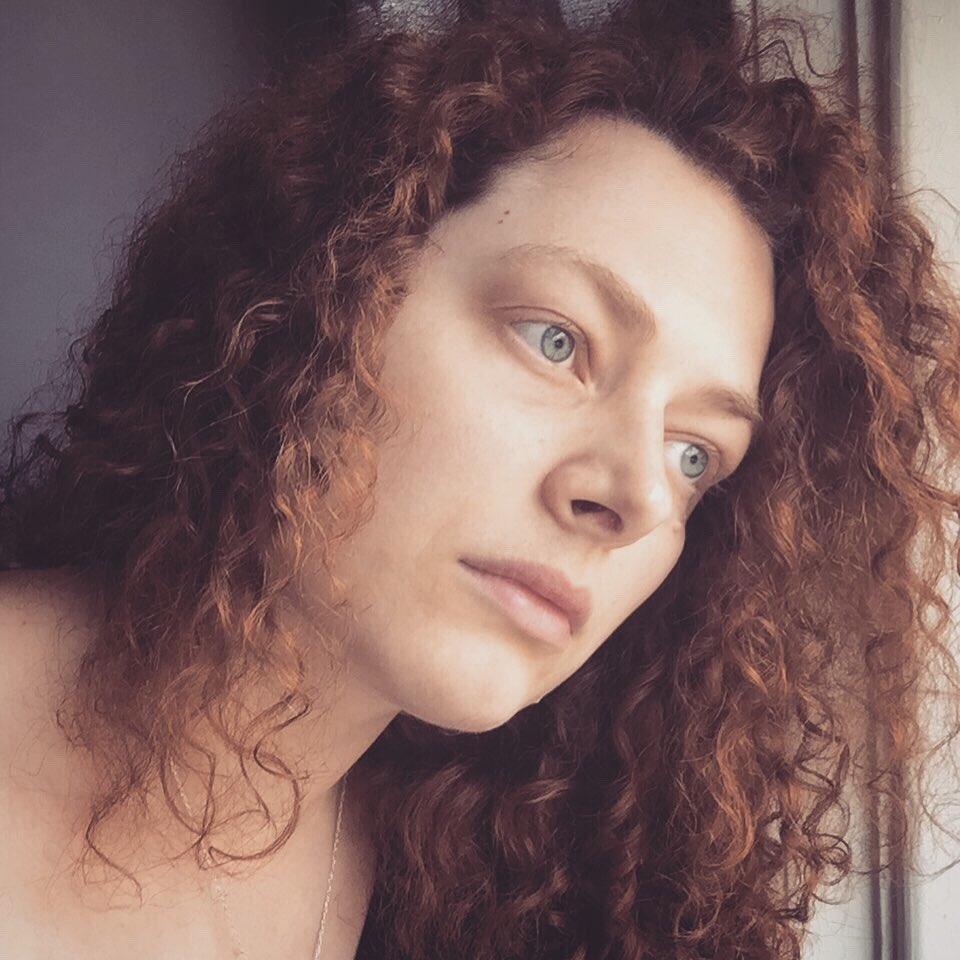
I have been nudged since I was quite young in the direction of artist’s muse – my earliest compliments were that I looked like a painting. Those socialised as female/feminine in American suburbia will likely recognise what it is to be pushed into purely aesthetic means of gaining social value. There may have been some small added grace given to those showing early savant-like promise – but it couldn’t grant immunity and I was ‘just’ an artsy weirdo. Teachers wrote me poetry but I had unkind friends and simply decent grades. There are too many reasons and personal experiences to enumerate here regarding why this issue plagues me so badly… that’s a topic for future posts (maybe). But I think what I am realising is that to balance being a muse with being an artist is to be your own muse. In a self-curious way. In an organic way, situated in a human as well as non-human landscape. In life experience, in narrative, in music, in sensory detail, in love, grief, kindness, empathy, social justice…and as some kind of value add. It’s a form of integration where selfhood or ‘persona’ takes its place as a small part of a much larger world. And thank GODDESS none of us are actually immortal!
(Neither, by the by, are paintings.)
Sincerely,
Sorsha.
PS. I have more to say about this book… about the book itself but also including a dream I had and so on. For another time.
* Henry James to Alice James, p. 199
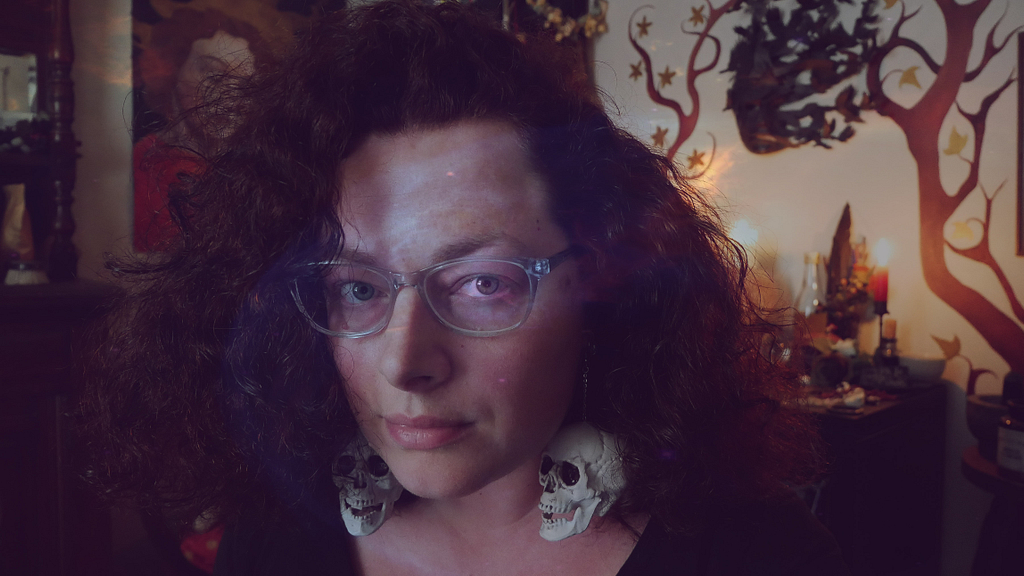
** Banner image from unused footage, Lá Bealtaine/May Day 2023