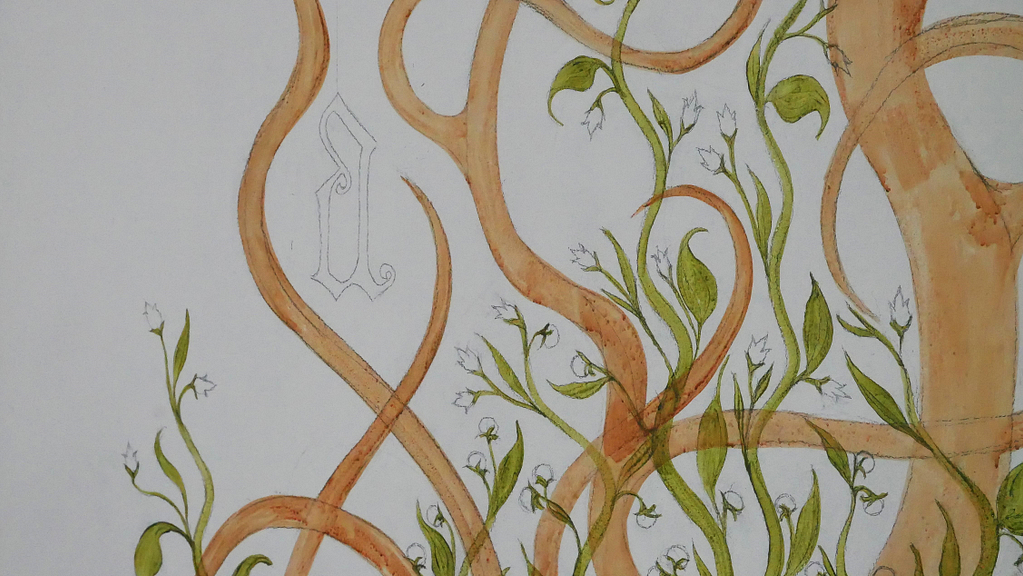
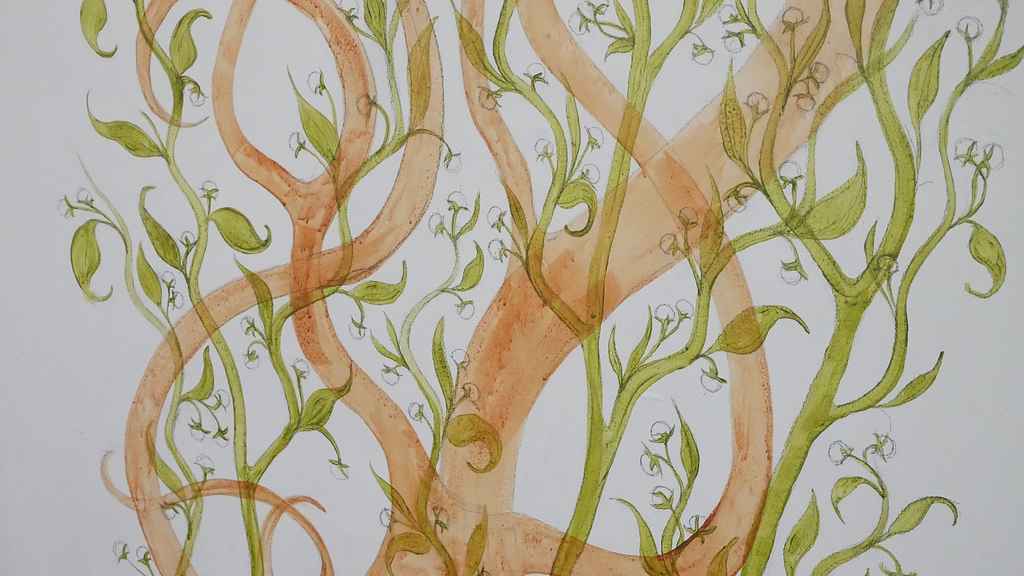
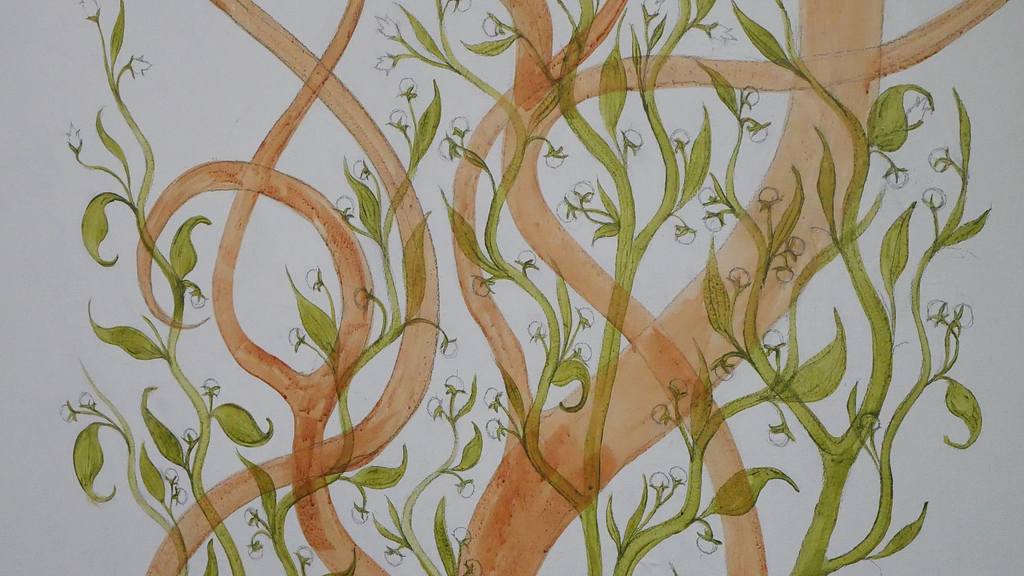
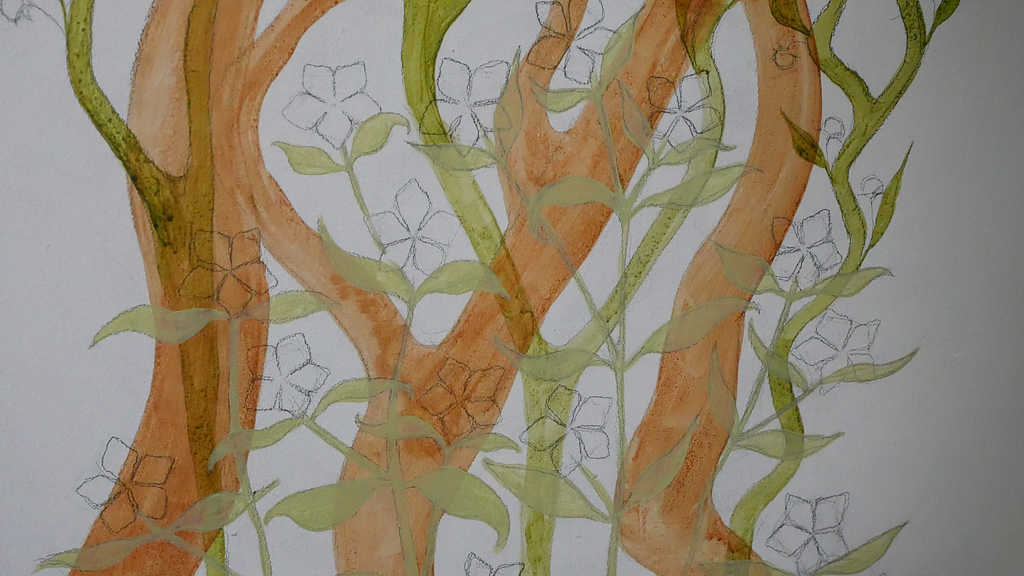
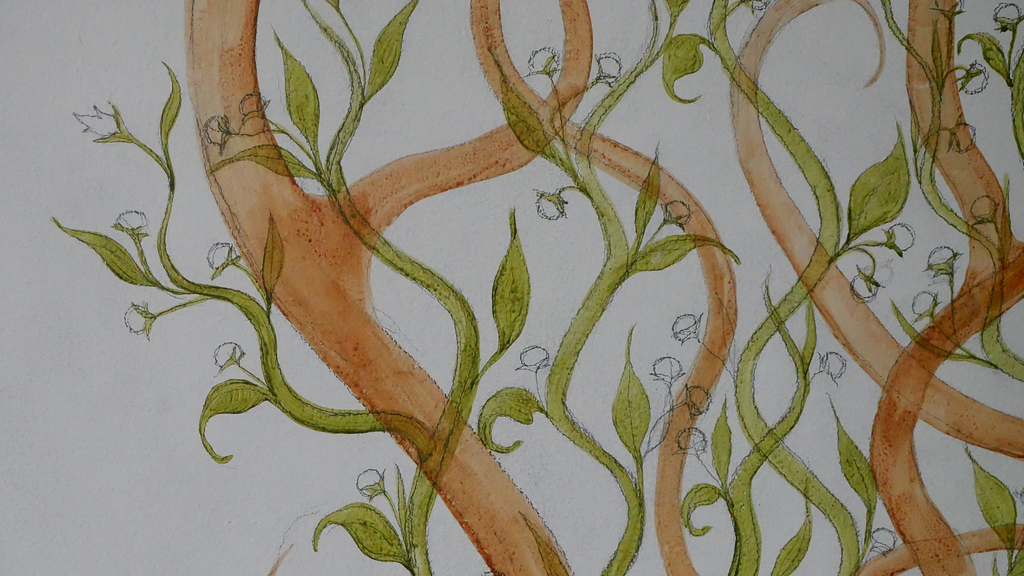
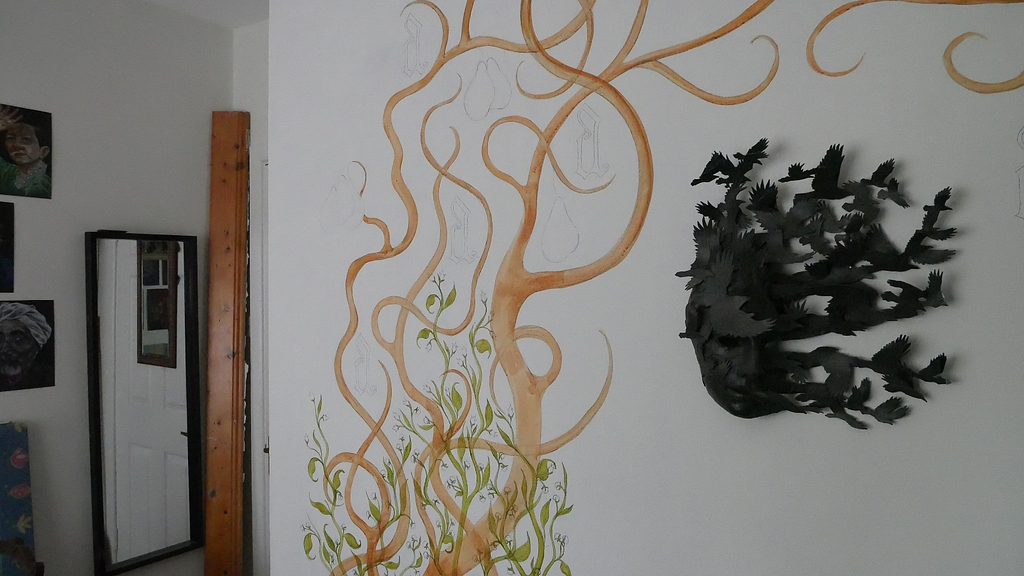
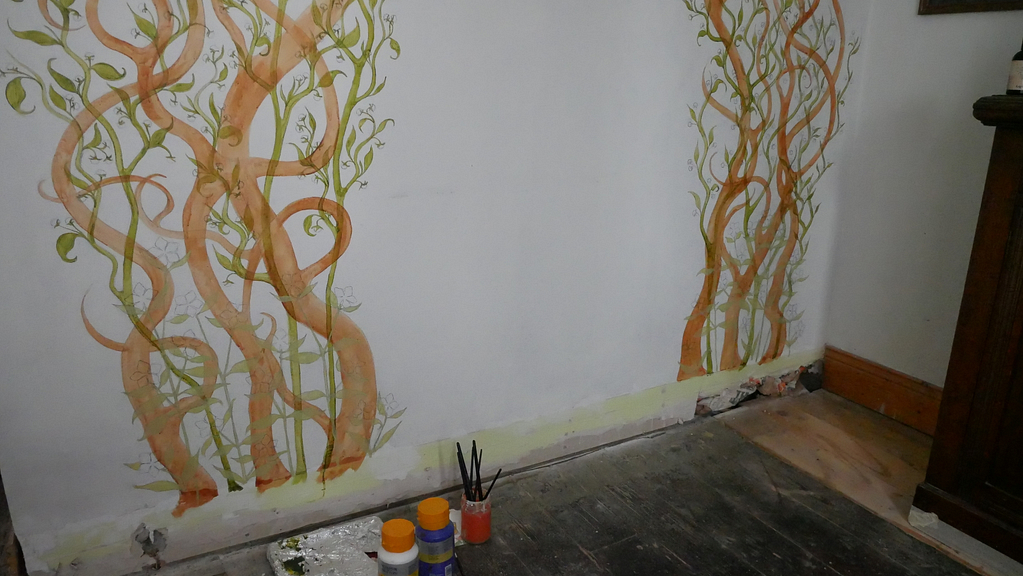
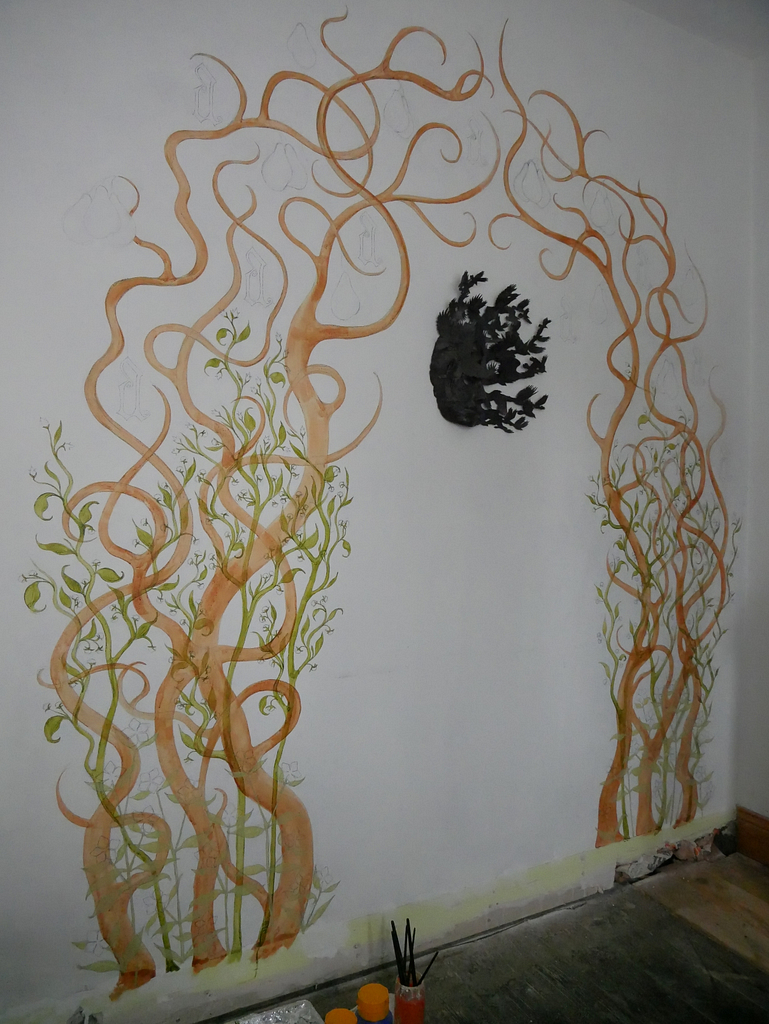
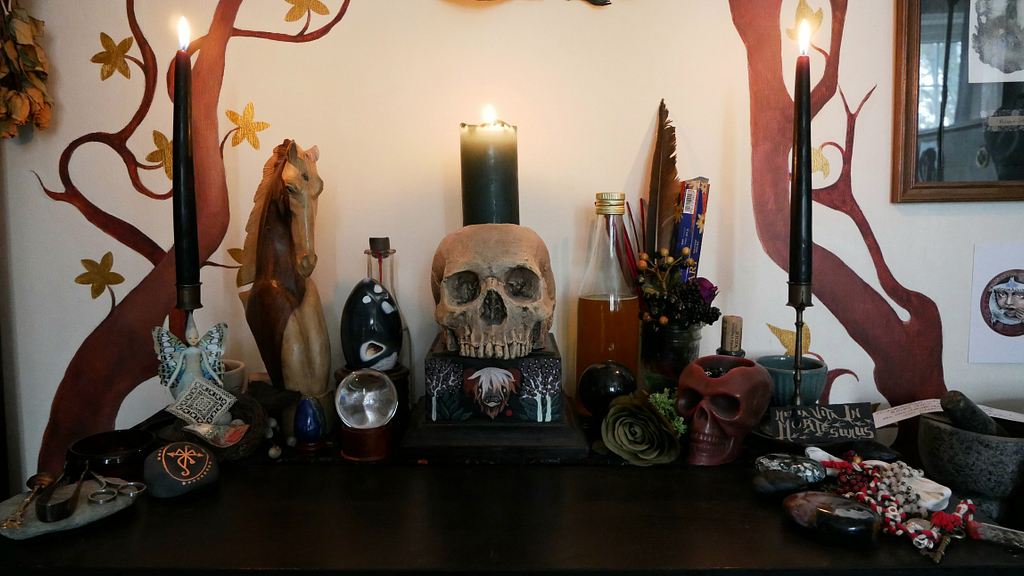
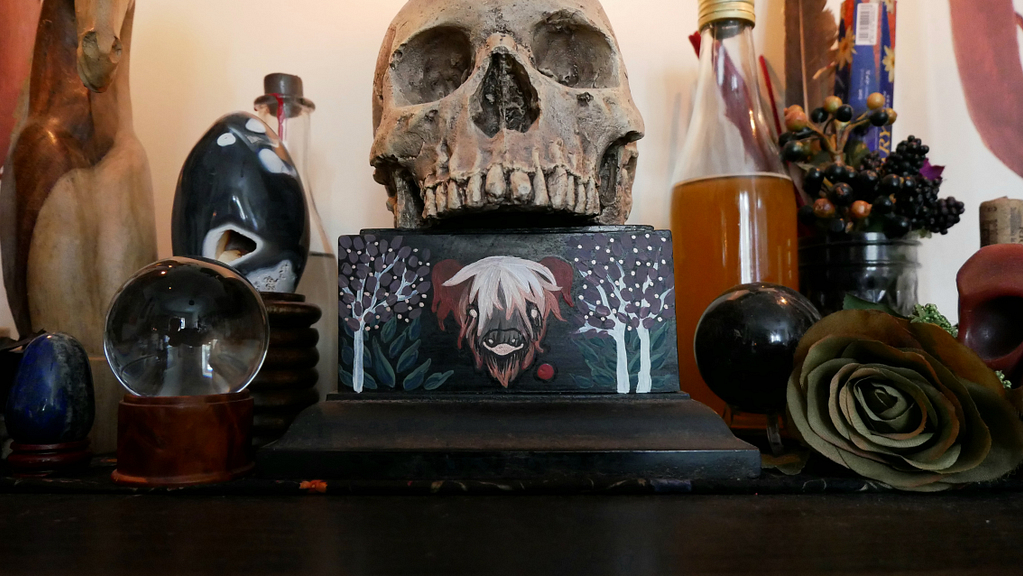
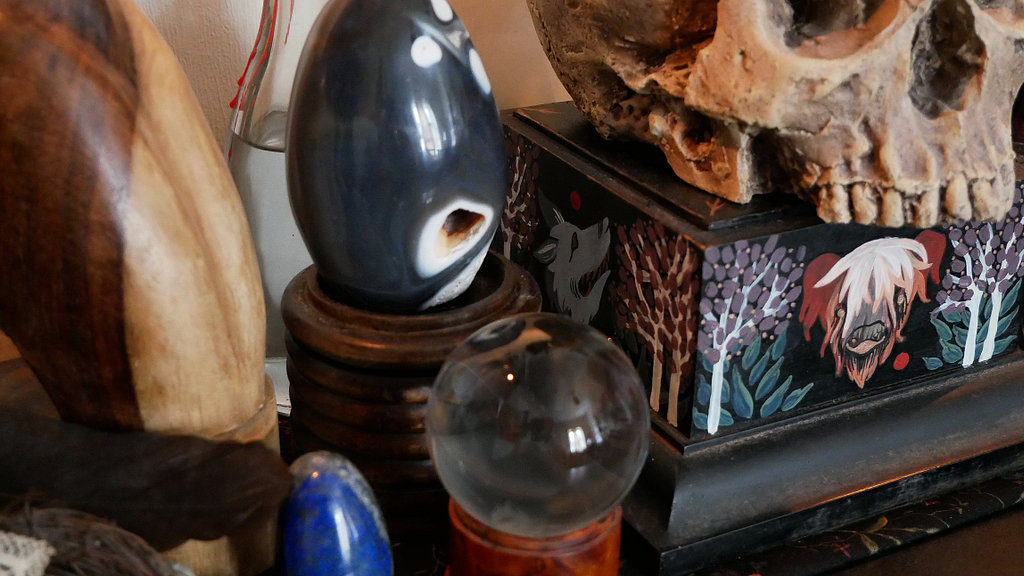
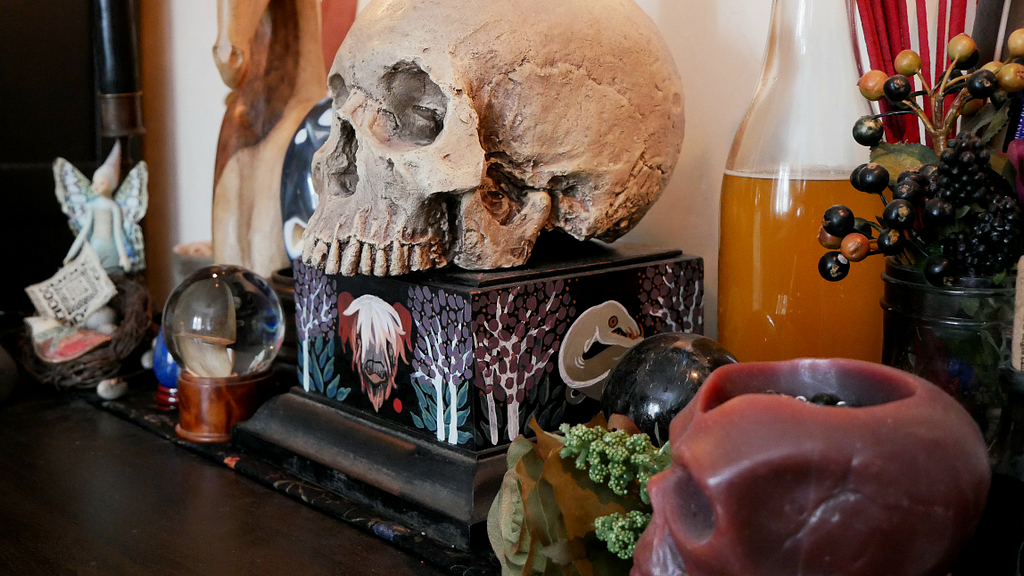
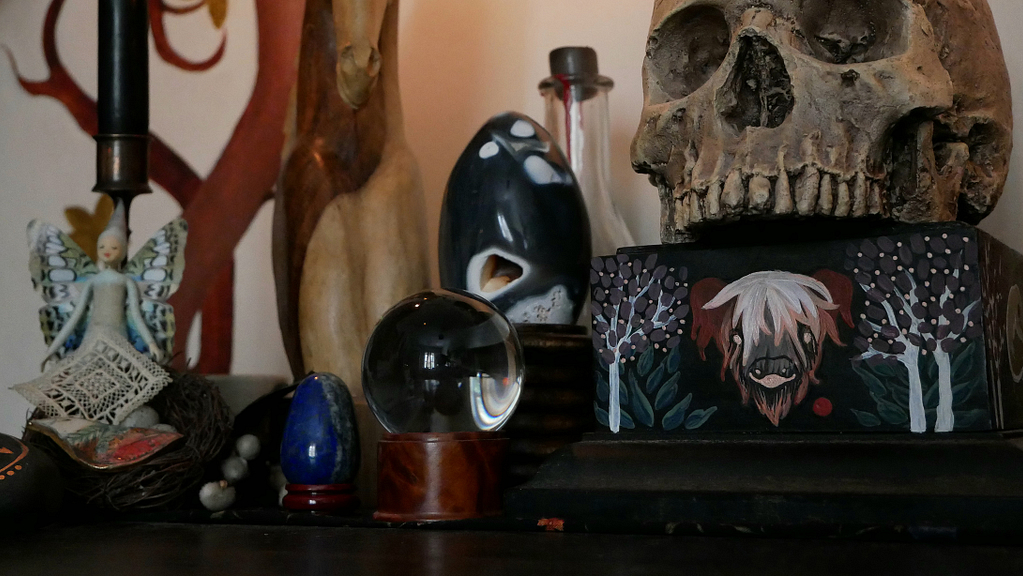
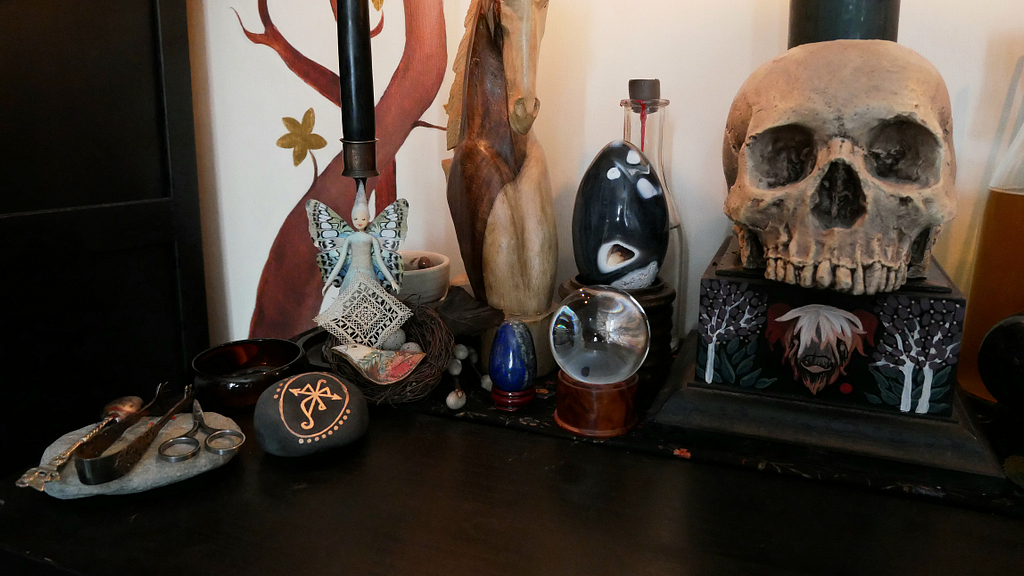
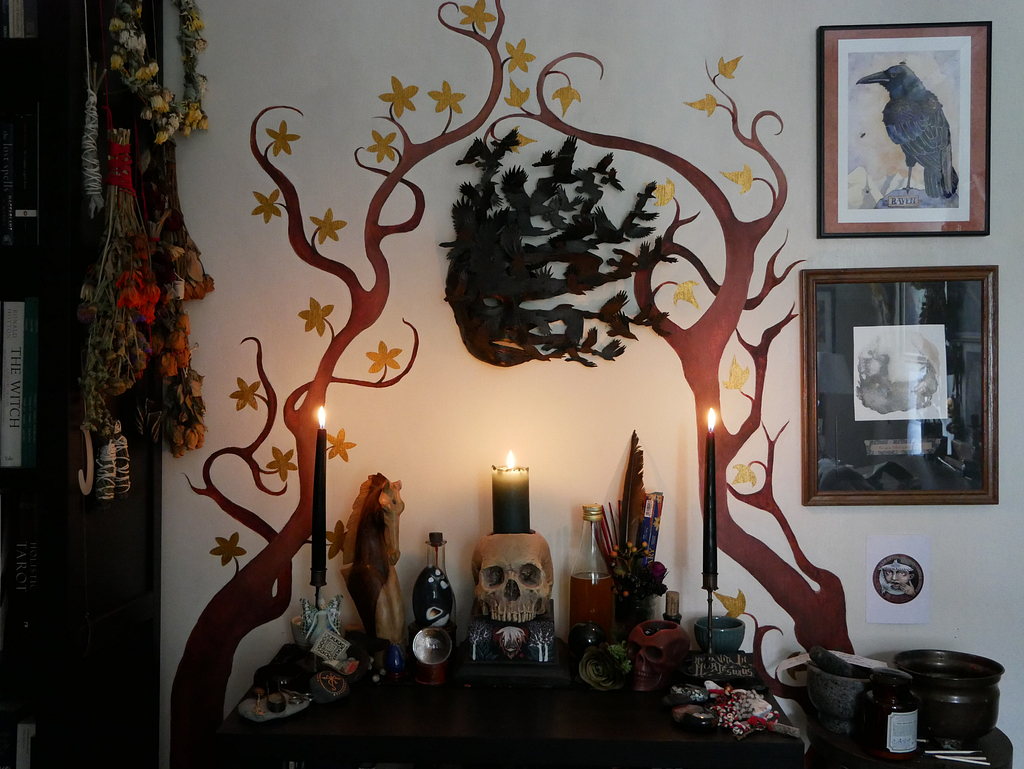
For anyone interested in a few detail photographs of the altar mural featured in my recent “Underpainting” video, here is a little gallery of semi-decent shots! The room is quite small which means the mural is difficult to capture within a single frame despite being very easily taken in, in person. This is probably for the best from the perspective of magickal integrity… it is, after all, intended to flank my altar! At any rate, I have included the Makertube link for the video below (via the ad-free, collective, non-profit from France – PeerTube)!
Here is the video…
AND here is some bonus cute kitty ‘content’ courtesy of Gurgi:
My aim with my online presence in a holistic sense is to do the work of further developing a unique and authentic artistic style and to build that as an inseparable part – maybe even just an outward expression of – my witchcraft and personal paganism. (In some ways, my goal is also to work myself up to a place where I can open my etsy shop and trust myself to handle things like paper work and post offices with reliability.)
There are many topics that get poured into this massive cauldron of bubbling inspiration and what I want to do is explore that process in a conscientious, intentional manner so that whatever comes out (at any given time) does so as fully considered, balanced, and informed as it can be at that time. Some recent ingredients (or topics) of focus have centred around revamping my altar and strengthening the practical aspects of my devotion to the Morrígan.
I wanted the art on my altar to function more directly on the Morrígan in her many aspects. I have felt for a long time that I was placing too much emphasis on her bird forms (Badb), her horse forms (assuming we take Macha to be a facet of the same goddess or even her sister), and to some extent her association with war and death. Thus, the altar has the bird, the horse, and the more cosmic otherworldly aspect accounted for but no wolf, cow, or eel… and also no succinct representation of triplicates either! (It used to but hasn’t had for a while – long story.)
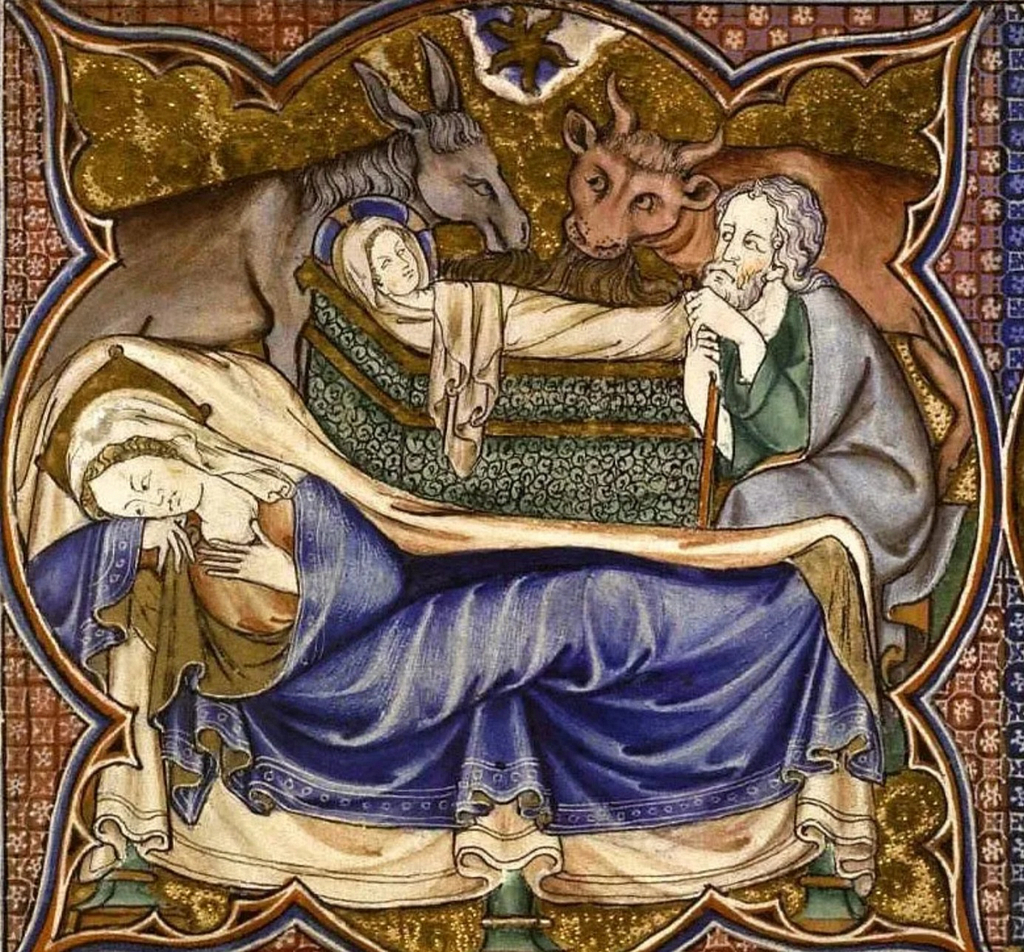
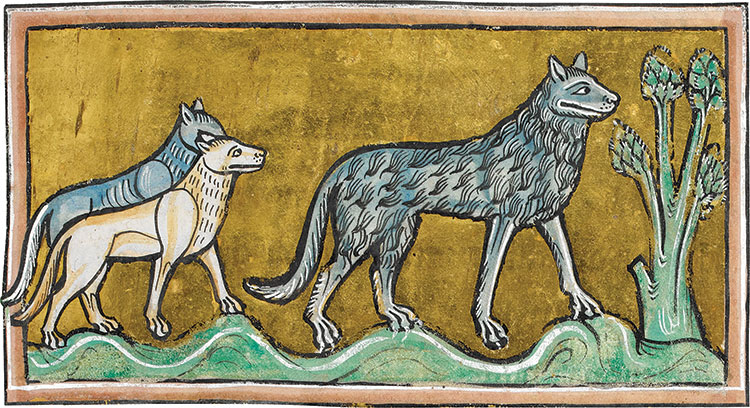
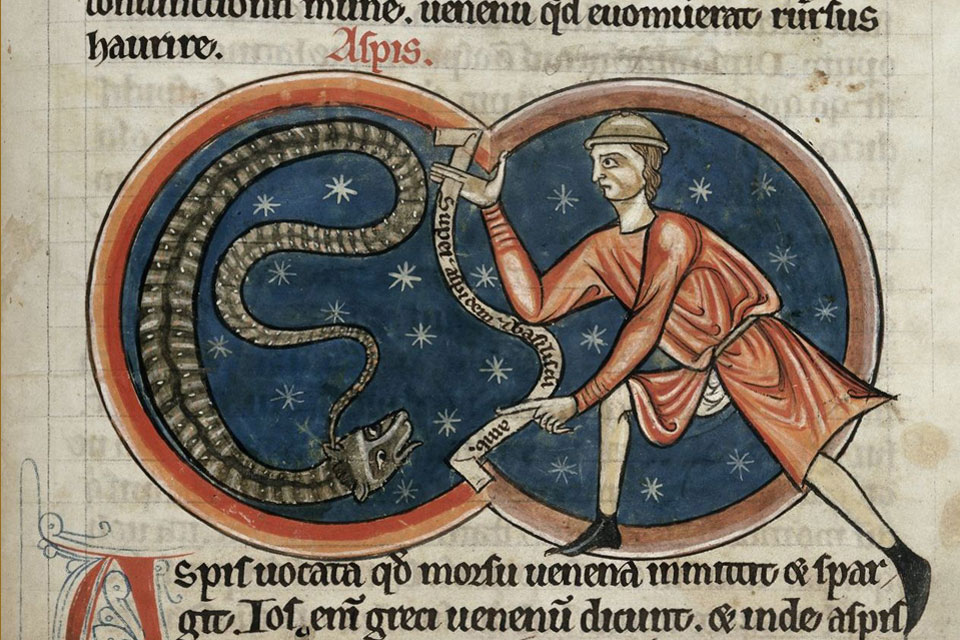
The next question I had was how could I represent so many new animal forms without entirely dismantling my altar for a new layout? I generally take a medieval inspired approach to Irish myth so the first place I looked was medieval manuscripts for representations of the animals in question (or near enough). Below are some examples (including source information) of wolves, cows, and…anything like a snake or fish to give a stylistic basis for drawing an eel. (Oddly, eels were fairly commonplace food items in the middle ages but I’ve had a hard time sourcing properly cited examples. Thanks Pinterest 🙄)
Psalter of Robert De Lisle, c.1310Rochester Bestiary, c. 1230Der Naturen Bloeme of Jacob van Maerlant, c. 1350Harley MS 4751 (ft. additions of Gerald of Wales’ Topographia Hibernica, late 12th-early 13th c.
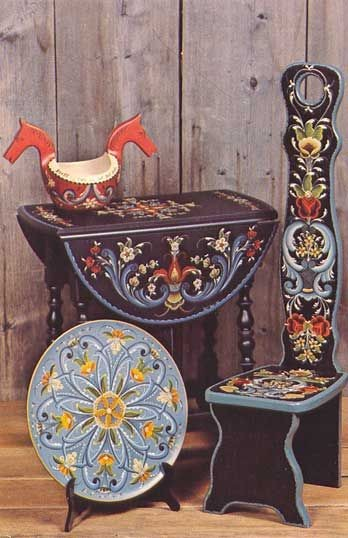
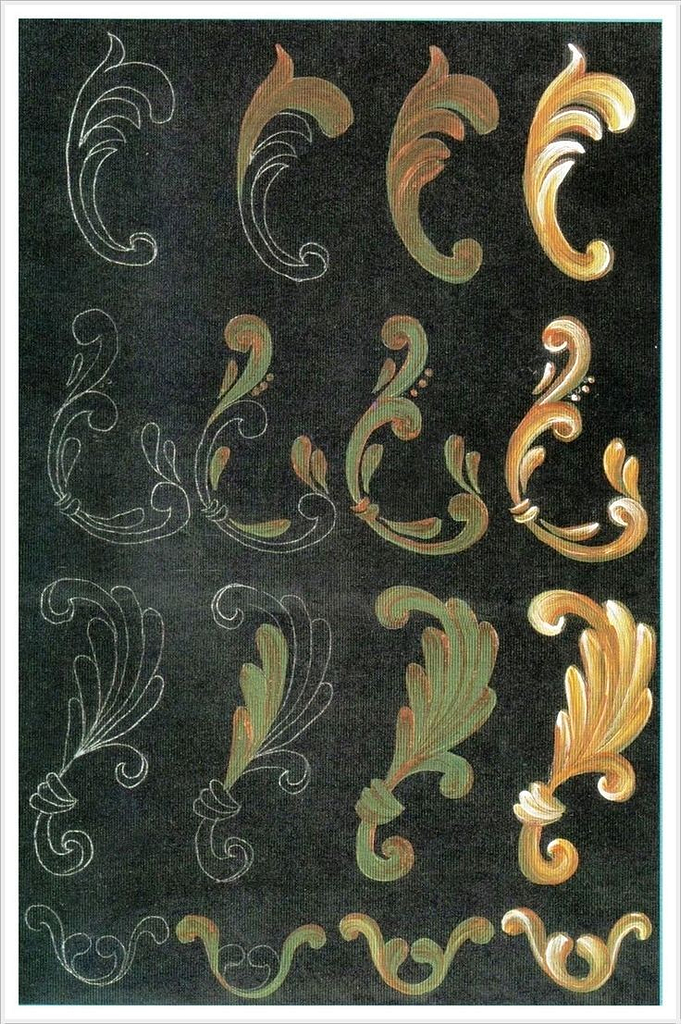
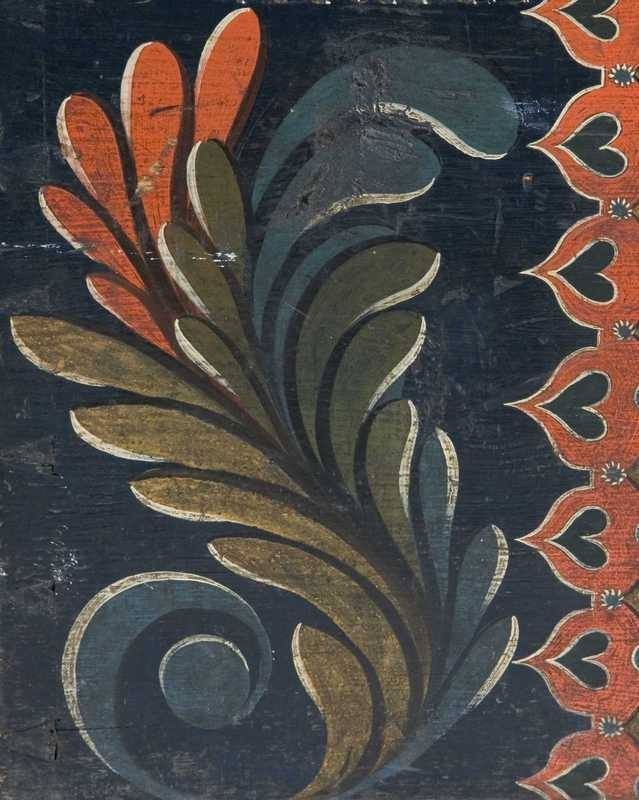
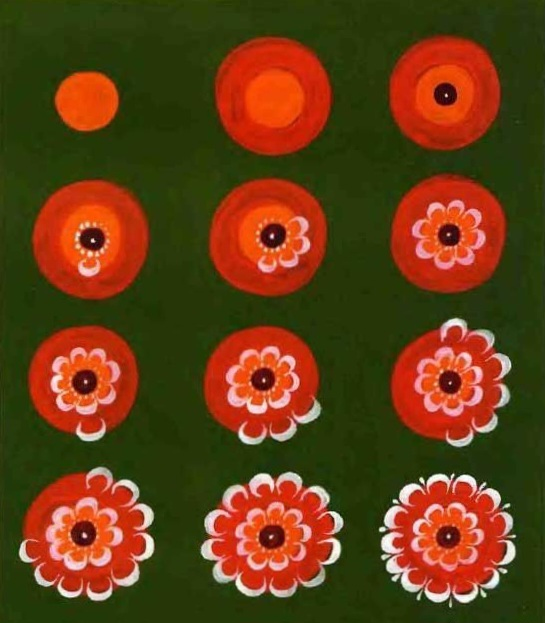
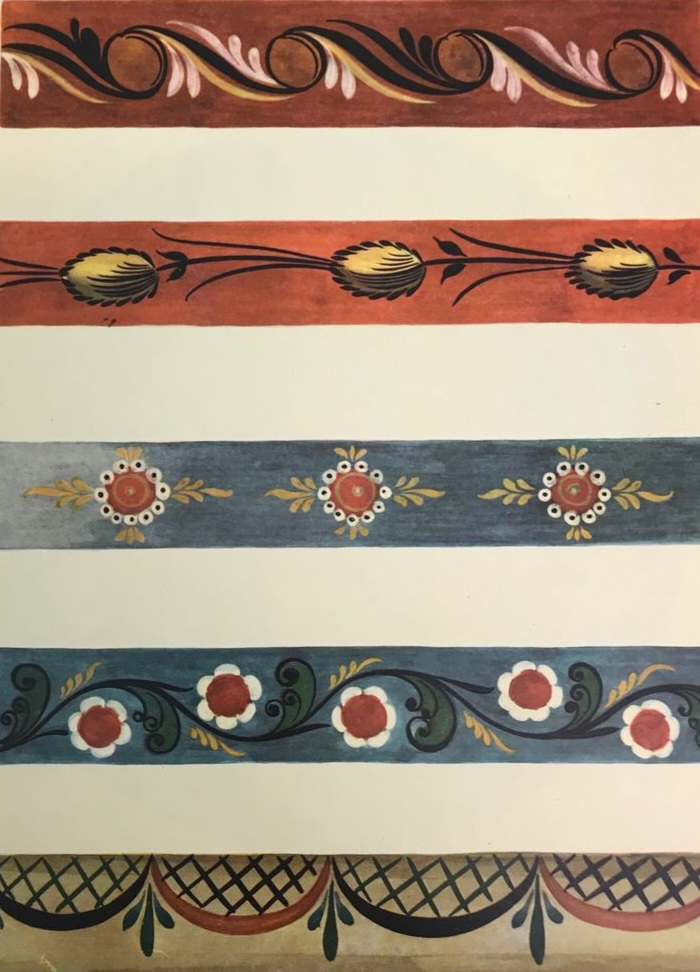
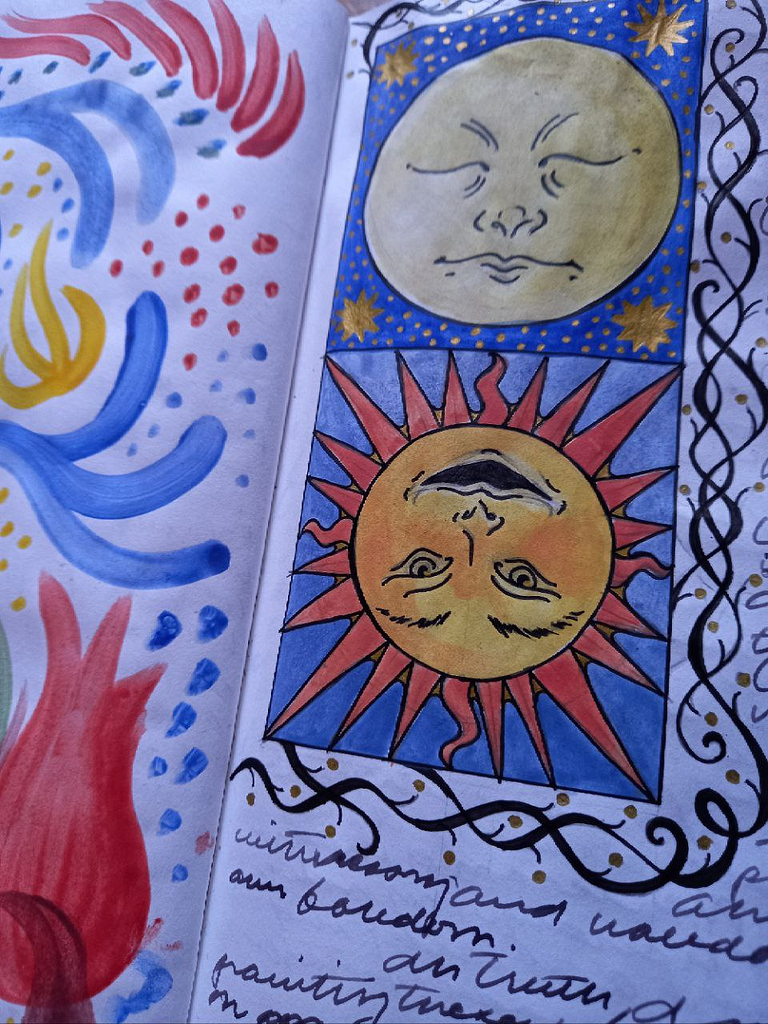
I am also always itching to paint on my furniture (and my walls…as with my altar space) and this seemed like a very good, risk free chance to work on developing my own technique inspired by medieval aesthetics and mimicking various folk styles such as Scandinavian (esp. Norwegian) rosemaling. I also grew up and worked in an area of the US with a lot of old houses that featured strange old paintings in their attics from the folk arts movement – an artistic tradition that included painting folk motifs on furniture as well. Below are some examples that I used as a basic reference as well as a page of my Book of Illuminations where I had some fun practising brush strokes!
Examples of rosemaling style painting – largely uncredited on Pinterest.
So I went to the vintage/antique shopping. Among other treasures such as a white rosary specked with what I assume is years of incense resin and a really beautiful old green glass bottle…I found a black wooden statue base. Bought it, took it home, cleaned it up and worked on designing how to paint it! Yorick was being fussy about the box he had been on anyway. 😉
Out of all of this I designed three panels for the statue platform. I incorporated a few William Morris/Arts & Crafts movement/stained glass inspired elements as well (most notably in the birch trees and the leaves behind them.) Note! The cow faces forward and is also somewhat based on modern highland cows… The part of the Táin where the Morrígan takes this form describes Her as a ‘hornless red heifer’. I decided to lighten the colours on her head and keep her ears red as a slight nod to otherworldly cows or cows from the sidhe which are often described as white with red ears. The final product also shows three drops of blood, one for each animal, which are placed spatially in such a way as vaguely indicates where Cúchulainn’s sling shot injured Her in each case. Below are my notes and sketches!
Astral egg symbols abound!Paint experiments.Sketches based on medieval examples – focusing on directionality of brush strokes. Eel modeled loosely on a fresh water species.
The final result up close and in situ! This shrine feels so much more complete now. Best believe the gold of Her eyes lights up in reflected candle light.
A video showing some of this process will follow in a day or so, so stay tuned for that! I will endeavour to update this blog post with the embedded video when it is ready.