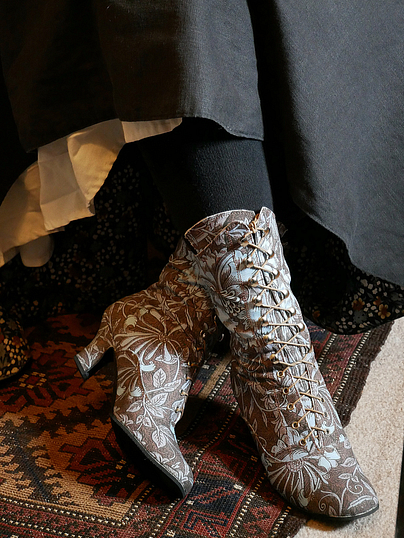
As a rather belated follow up from this video:
I wanted to discuss some basic inspiration & information that went into this project as well as some aspects of what the reality of sewing historically inspired clothing looks like… and of course some of how this applies to (my) witchcraft.
First – on my channel I have addressed a few of the reasons I prefer corsetry but, at some point, I will write a blog post with a proper explanation of the practicalities of corsetry in my life. That day is not today.
Q: What are my design references and aesthetic aims? What am I hoping to achieve visually?
This tends to shift around a bit but stays loosely within the parameters of 1) my time periods of interest and what potential I think they have for overlaps in design and 2) silhouette and colour blocking. Additionally, I like to evoke a mood and set of associations: a medieval decadence (in terms of color and texture); the proportional strangeness & darker shades of Northern Renaissance painters (Petrus Christus, Roger van der Weyden, Jan van Eyck etc); and a tongue-in-cheek reference to Victorian societal dysfunction (I like inverting value judgments based in puritanical virtue, assumptions around sexual permissiveness and mental health differences, reliance on religious institutional hierarchy etc.)
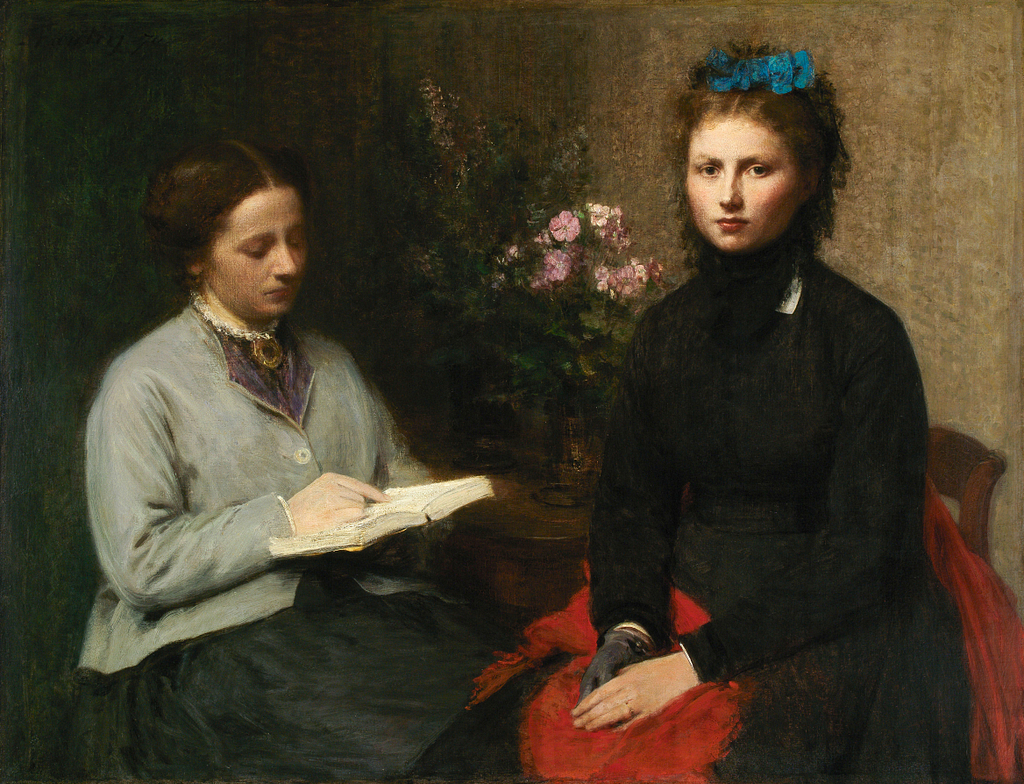

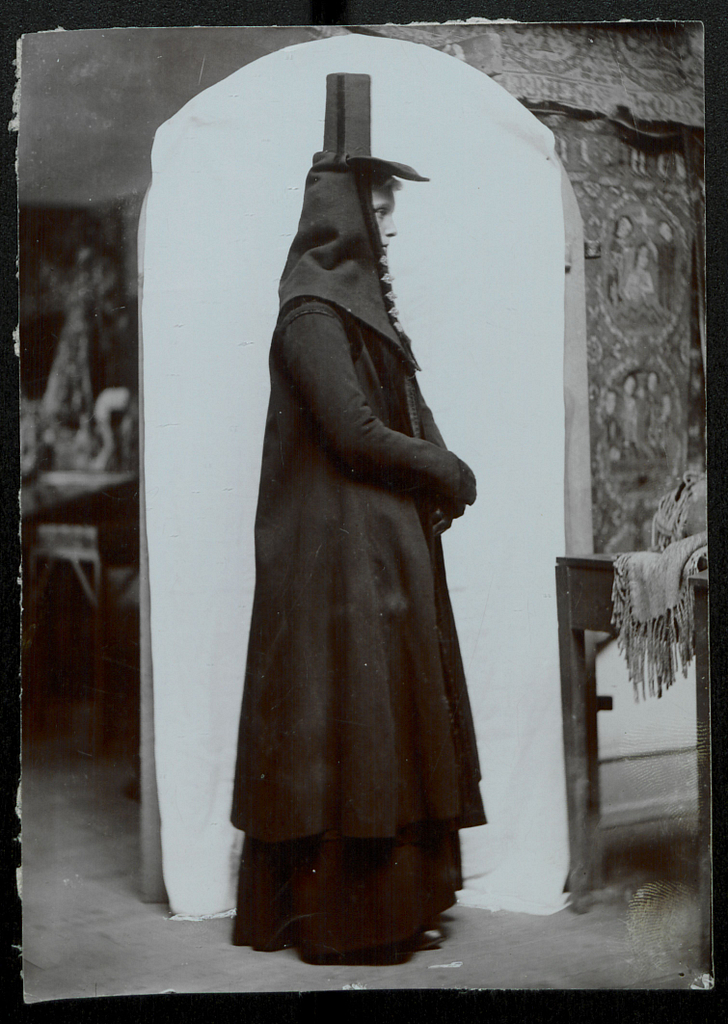


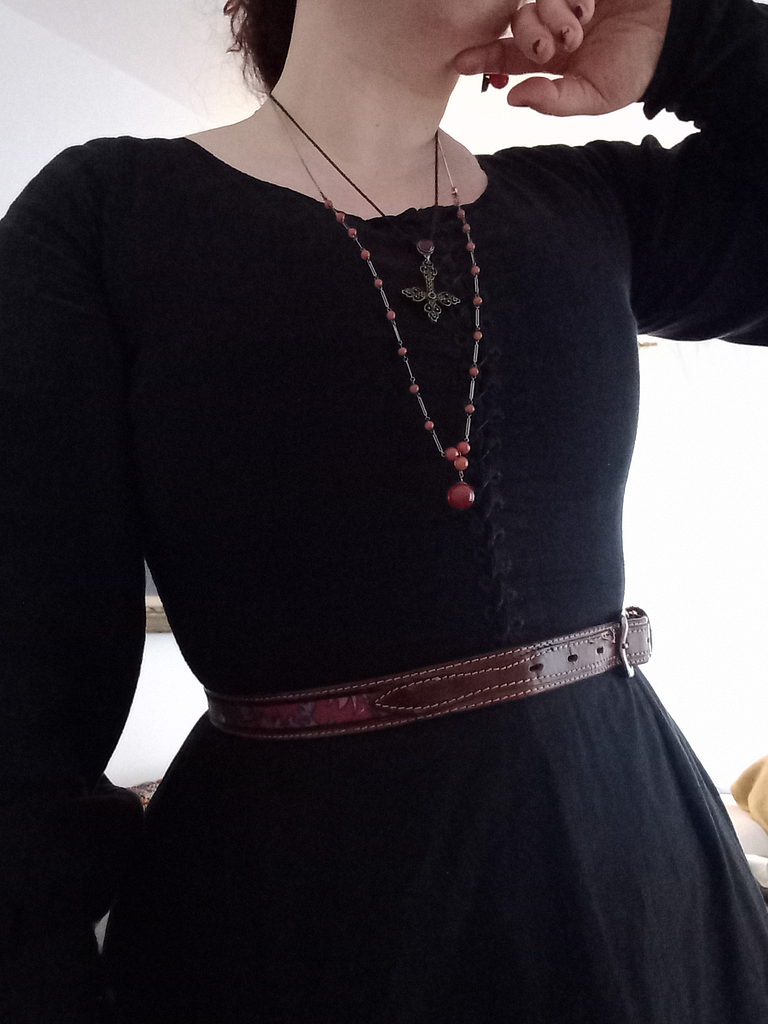
… A witch, at any given time period, would have existed largely in the same clothing expected of most people around her (and may well have identified with them religiously too). I like to explore that dissonance… An almost severe black silhouette with cheeky splashes of colour, perhaps? Dress me like a puritan but invert my cross!!!
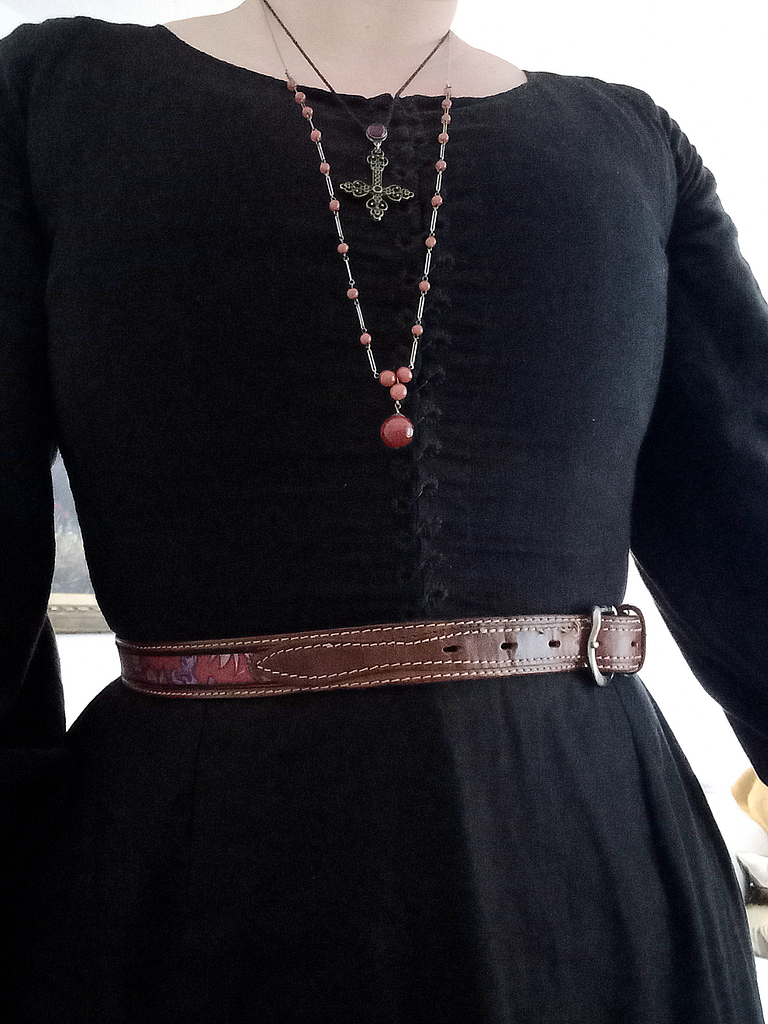
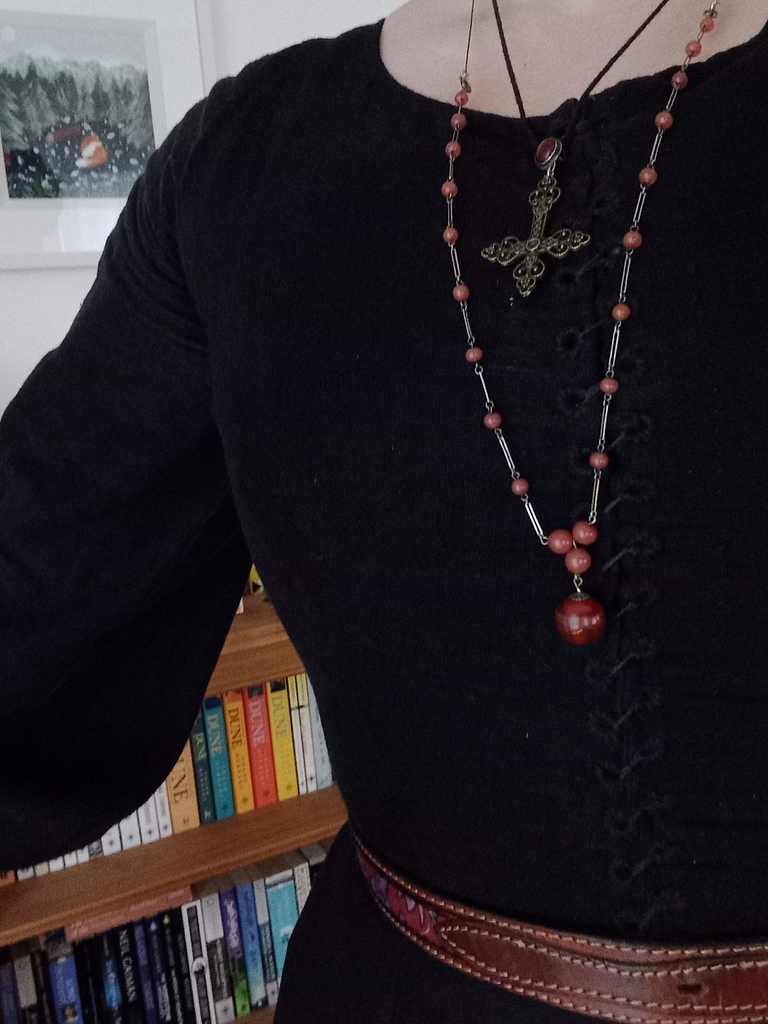
Q: What about construction details? Isn’t it squeezy!? Did you make any mistakes!??!??
In terms of construction, I wanted practical movement and a well placed waist-line. I wanted better bust accommodation and garter straps for my socks! (On shorter sock days, I use garters just below the knee, fastened to the outside.) The basis from which I built this custom corset pattern was an early 1910s corset style called a ‘long-line’ corset*. This is not to be confused with the early Edwardian ‘s-bend’ corset. I am already exceptionally curvy and I wanted something that was elongated and smoothing to accommodate my more medieval days. (Corset didn’t exist in the middle ages). Think, John William Waterhouse paintings as a visual starting point… or something by Eleanor Fortescue Brickdale.


The added benefit to this type of corset is that it is structurally already quite difficult to lace down too far. It’s a very flexible fit. The waist line cinches where the tummy and spine is the squishiest and most flexible – which serves as an anchor point – and the rest of the corset provides gentle support radiating out from there, up and down.

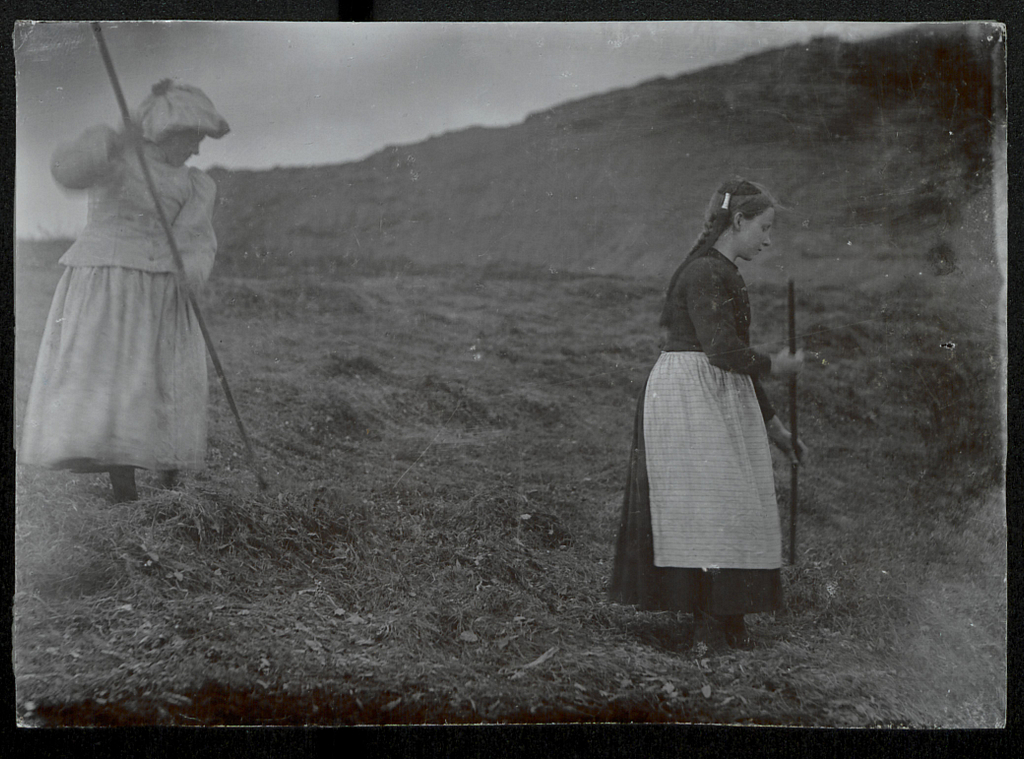
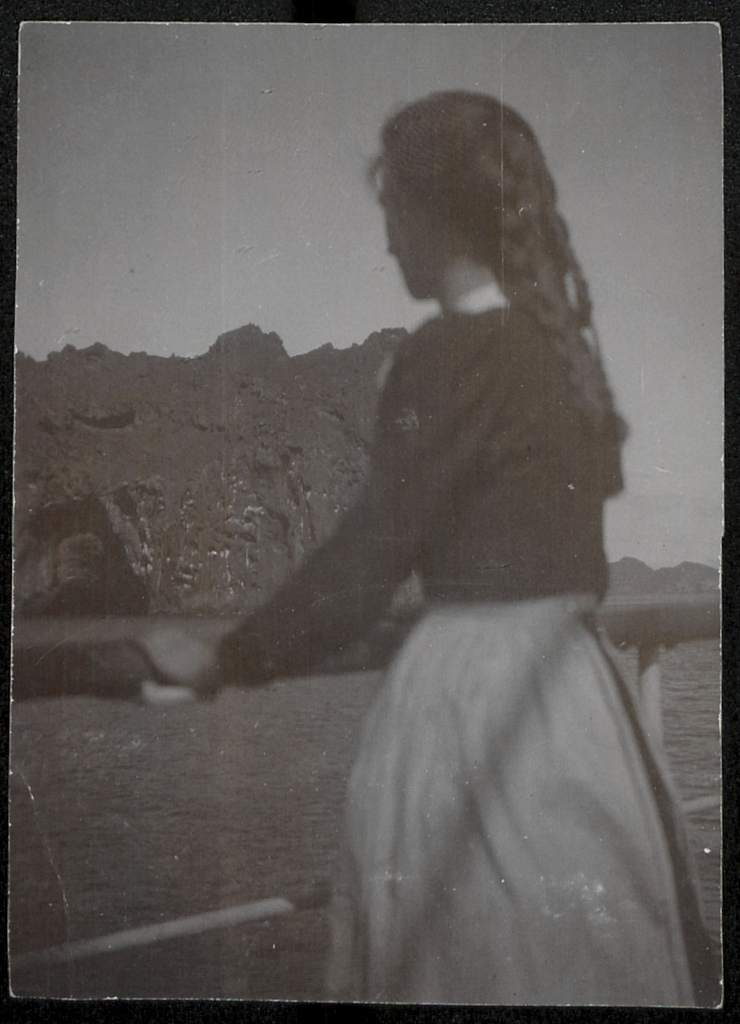

Without romanticising the ‘rustic’ or glorifying deplorable 19th century working class conditions, a lot of what I am going for is based in working class clothing and practicality. Minimal waste, strategic reuse of mostly second hand fabrics, patching and mending as needed… and planning for movement and more active daily patterns. I make my own soap, I like to cook, I cut out fabrics laid on the floor, I paint, walk, run errands, and frequent pubs in what I sew and the corset is part of what *enables* that (especially as someone with bad spine, joint, and inner organ problems! It works much like a flexible, custom fit back brace with almost no singular pressure points such as a bra band or staps!)
Here is a lovely tertiary resource – a youtube video by Cat’s Costumery – on working women’s corsetry:
In terms of the reality of sewing and making mistakes, I discuss various changes and design elements in my corset video but here is some added detail:


You will see in the photos that I made the corset too big and had to fold down the last panel on either side! At some point I’ll unstitch those panels and adjust them more thoroughly…You will also see, in the photo below, that it seems I made the bust too high originally. My body has also changed slightly in recent weeks so I have re-cut the top and sloppily rebound the edge. It looks messy but it’s strong thread and fits like a glove!
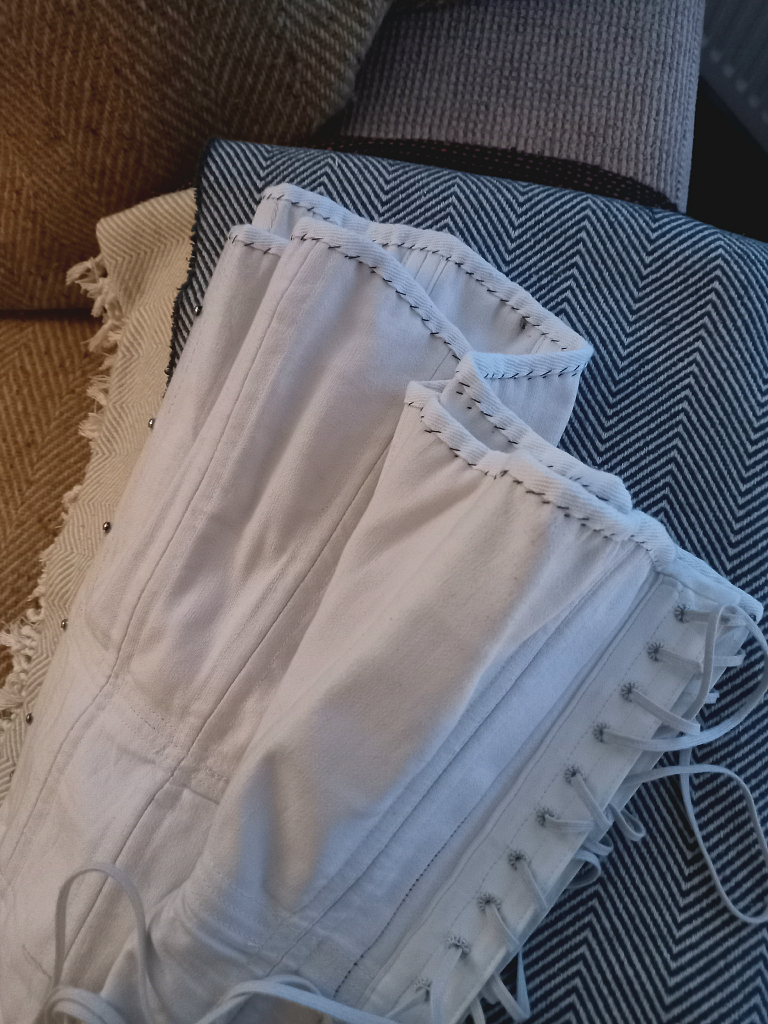
I think this is SUCH a fascinating process… homecraft & creative techniques to fashion a look and way of moving embued with dark mystique!!! I’ll be happy to answer any questions in the comments or even just say hi! And there will be more posts about sewing coming soon. I’ve been up to some pretty crafty shenanigans of late!
* Some basic starting points for this kind of corsetry:
- This woman’s making process is documented on her blog – I found her info and visuals helpful as *an* example of the over-bust option for these later corsets. (Please note, I no longer support the Truly Victorian pattern company.) https://historicalsewing.com/1913-blue-floral-corset
- Festive Atyre has some decent info for those interested in construction but wishing to avoid supporting racist and/or predatory companies and persons in the costuming world: http://www.festiveattyre.com/p/reconstructing-1910s-era-corset.html ; http://www.festiveattyre.com/2011/12/1910s-corset-pattern-and-instructions.html
I have put together a playlist creators’ resources to do with costuming/sewing techniques on my youtube channel. It’s called “Clothing is Magic” and covers techniques, diversity, inclusivity, and various different time periods I find interesting as well as some old footage of clothes in motion!
Further resources & citations on working clothes and photographic anthropological/social/immigration documentation:
- Photo of Slovakian women on Ellis Island from the Public Domain Review article: https://publicdomainreview.org/collection/portraits-of-ellis-island-immigrants/
- Photos of Icelanders come from a brilliant free resource – the Online Collections of the Danish National Museum (including satelite tools to hone in on where photographs were taken etc.!): https://samlinger.natmus.dk/
- For some basic info on Daniel Bruun’s photography (and some GREAT images!) check out this article: https://monovisions.com/vintage-portraits-of-icelandic-people-by-daniel-bruun-late-19th-century/
- The photo of two girls from Norangsdalen came from another amazing online resource, the image collections of the Norwegian Folk Museum: https://digitaltmuseum.no/folkemuseet
- I also recommend having a look at the work of Francis Meadow Sutcliffe – especially of women knitting by the docks!
NOTE: While there is a prevalence Nordic or Northern European imagery in this blog post, this is mainly due to a different (personal) research project on which I am working (very slowly). What I mean to illustrate is that there are practicalities of silhouette and construction that interest me in folk costume and working clothes. This post has also been limited by what is available in the public domain etc.