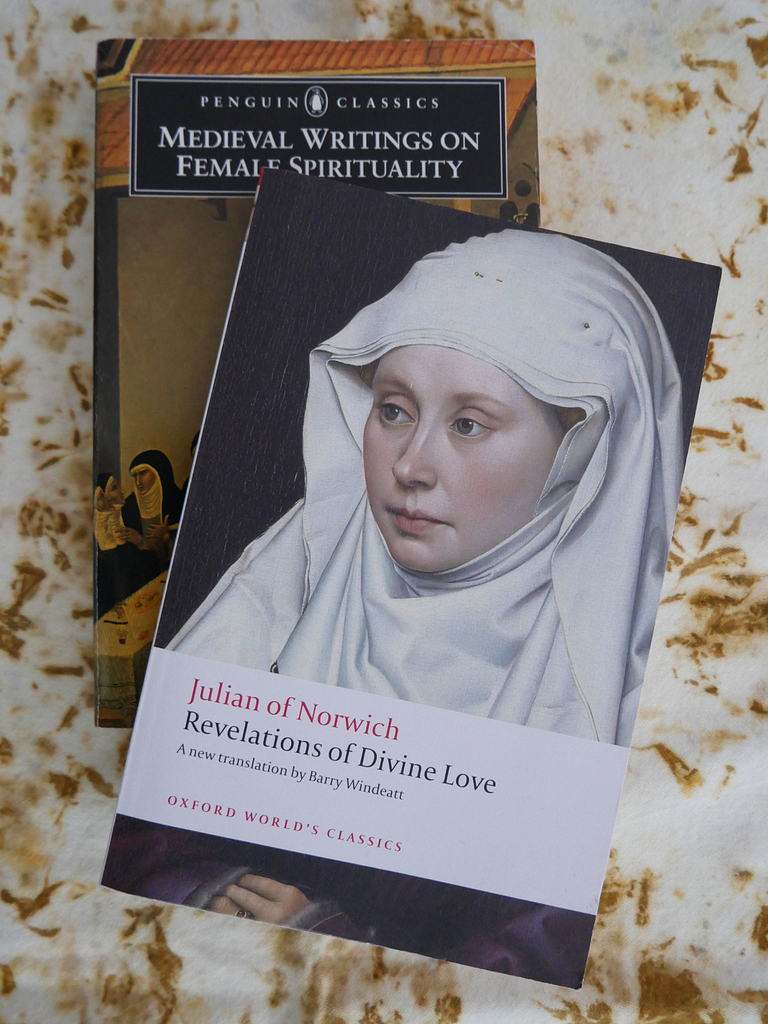
Something that has gripped my imagination my entire life is the idea of ‘Building Other Worlds’. Importantly, I don’t mean only as ‘substance behind narrative genres’. World-building for a fantasy novel or for game play, though deeply interesting, is only one popular iteration of a much broader interdisciplinary creative drive to make and experience other worlds. What of Art? Architecture? Costume? Music? Theatre? Ecological experience? Folklore? What of symbolism or spacial awareness? Where do we get ideas for what our worlds look like and what tools do we use to build them?
I have been wanting to write about this for a long time but have been puzzled about where to start. Do I start by explaining some things about art history? About perspective, image composition, numerology? Do I dig into how tiered worlds in late medieval and renaissance literature make their way into contemporary visual language? What about modern art? What about tarot or oracle? Witchcraft, sewing, or poetry? Would tracing themes of port cities and their proximity to marshland or wetland habitats get the message across? What about folkloric recordings of Victorian vs. Medieval streets in Irish town centres!? Ultimately, I realised I’m going to have to start where I am and, if you wish, you can follow me down each corridor as and when I get there.
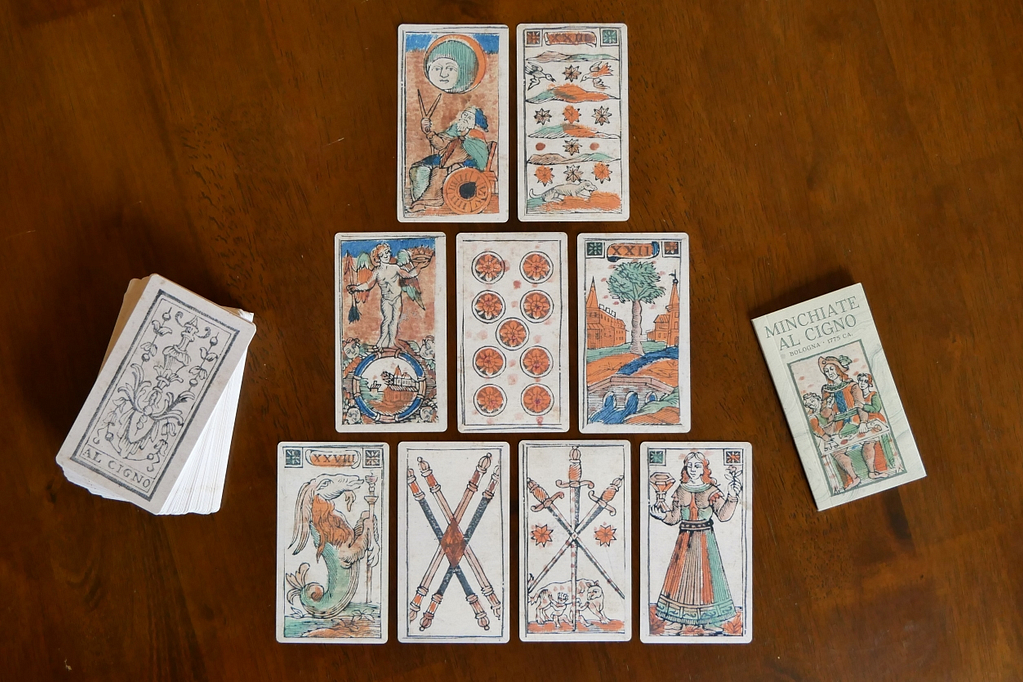
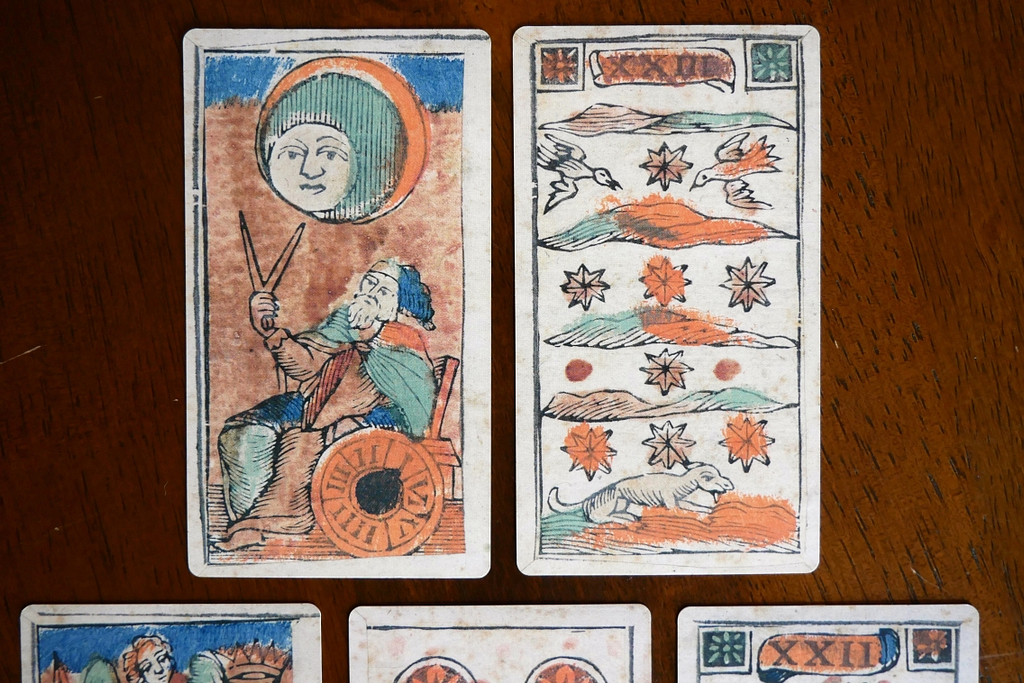
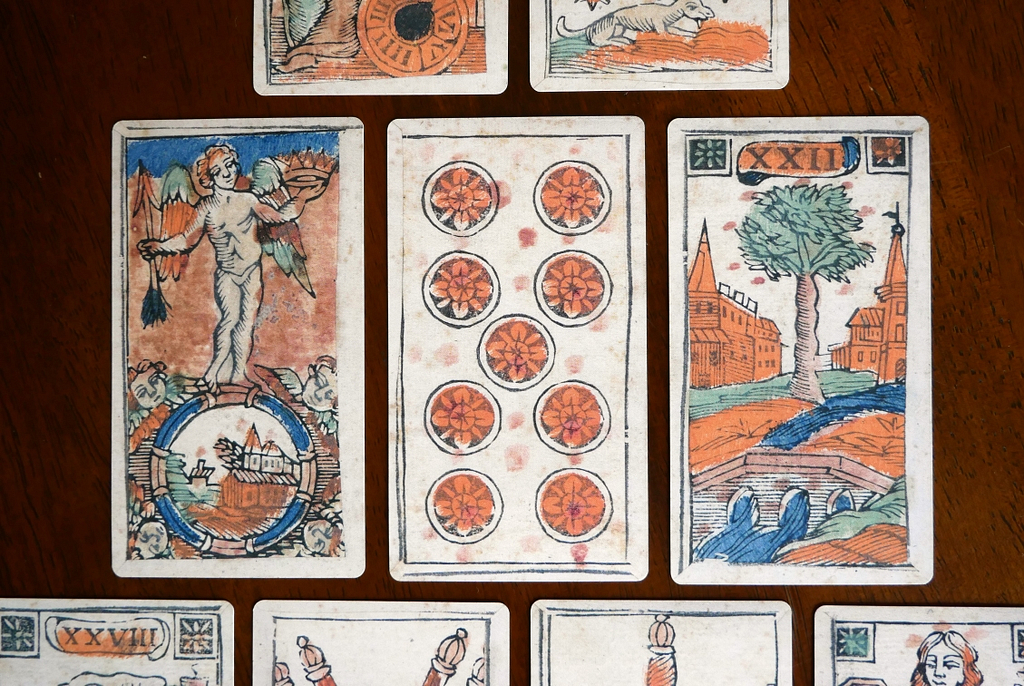
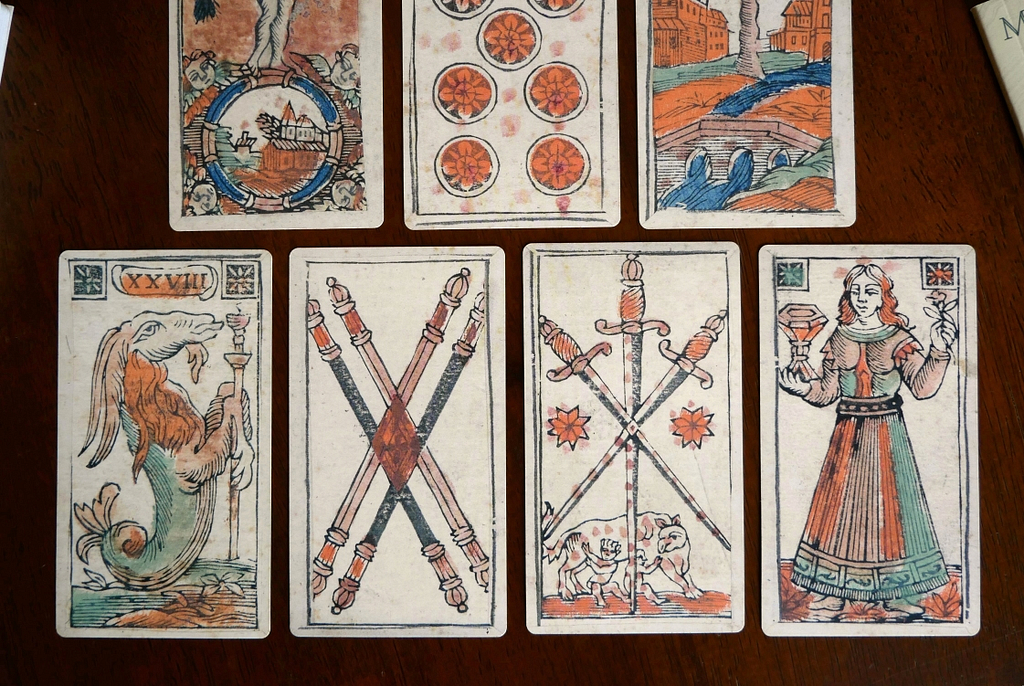
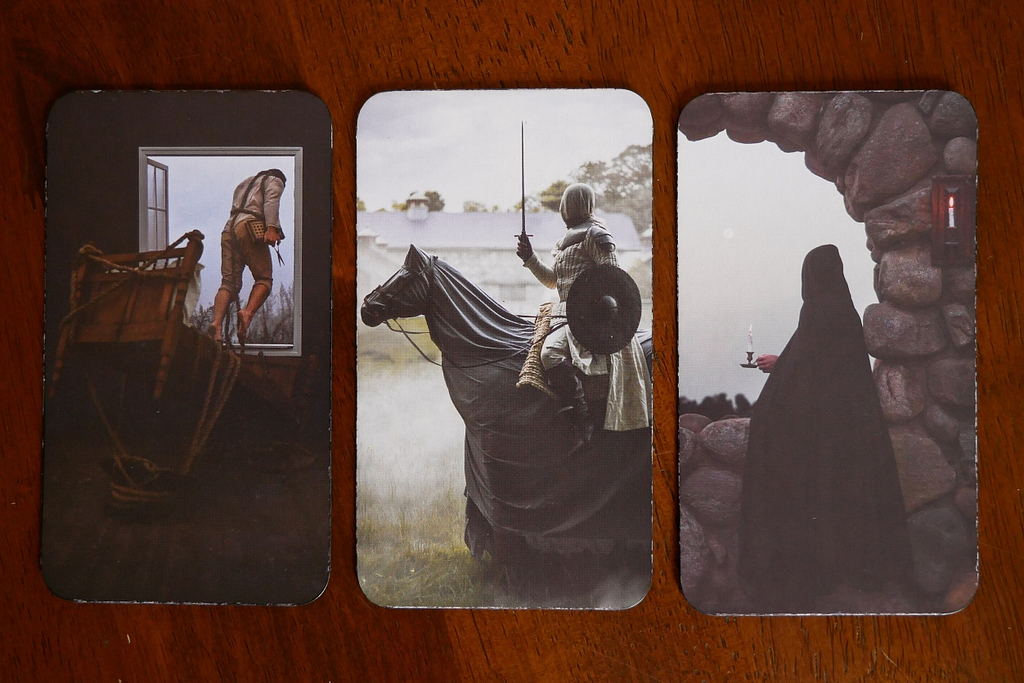
Here are some purposefully drawn 18th c. Minchiate cards illustrating how card visuals can help you construct doors to Otherworlds and populate them in turn with architecture, characters, and landscape …with pips for ‘scaffolding’!
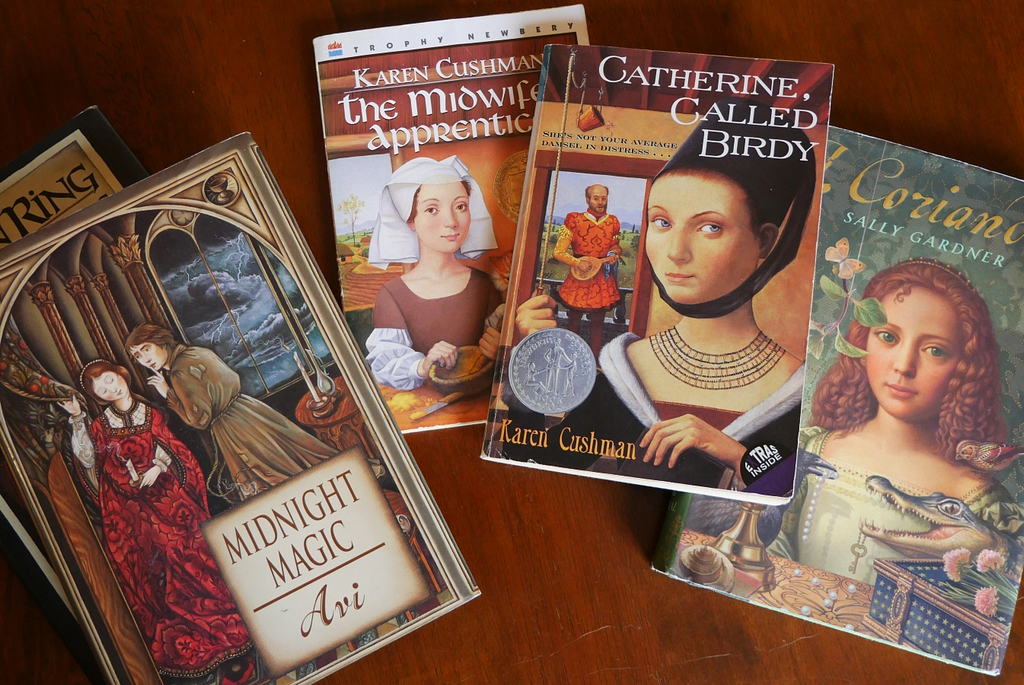
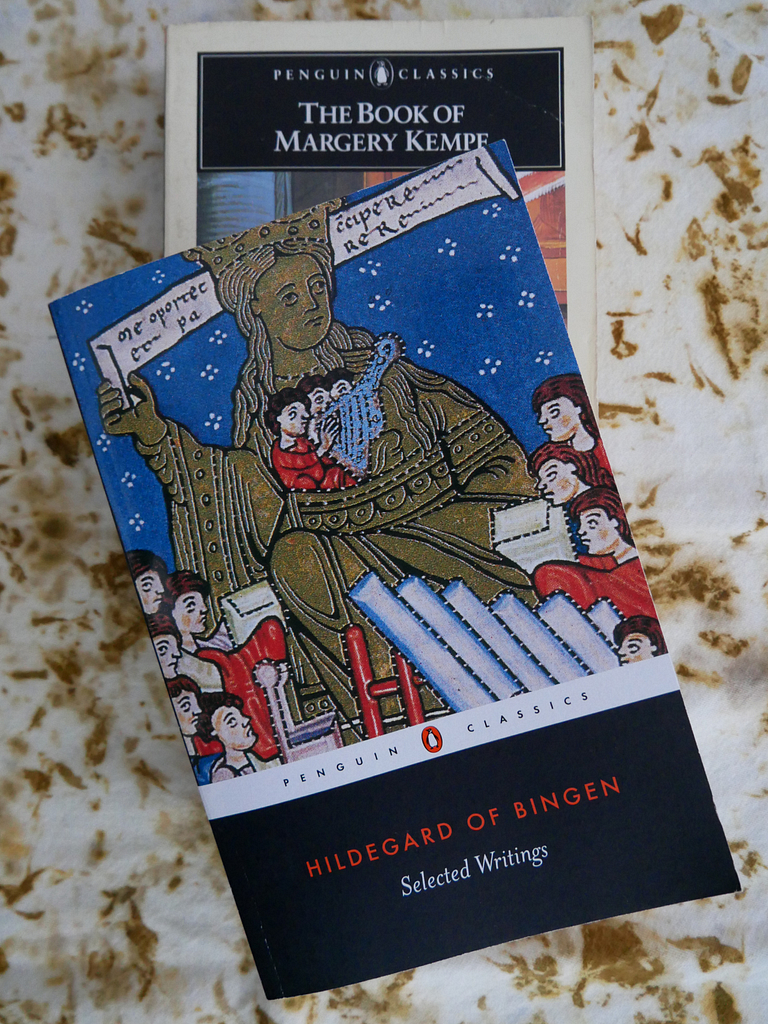
Recently, I revisited some books that were instrumental in helping me to identify myself when I was young. These follow very much in a similar vein to other favourites of mine such as Pish Posh, Said Hieronymus Bosch, The Books of Earthsea, The Chronicles of Prydain, The Hounds of the Mórrígan, or Jonathan Strange & Mr Norrell… and I took special care to obtain secondhand copies of the specific covers I grew up with as well.
I have yet to re-read The Raven Ring although I know I will love it as I can’t remember how many times I would have read it growing up.
There are five books in all (for now) – each of which features scenes relating to tarot, tarocchi, or otherwise emphasise attention to historical detail within their fictional plots.
* Midnight Magic by Avi (part of a series that didn’t exist yet when I was younger. I won’t talk about this one much because – as it turns out – it wasn’t as good as I remembered and it’s representation of tarot is tangential to the plot and seems fairly ignorant of what tarot is. I still LOVE the cover though!)
* Catherine, Called Birdy by Karen Cushman (no, I am not going to watch the new film abomina…I mean, adaptation of this beautiful wonderful highly intelligent book.)
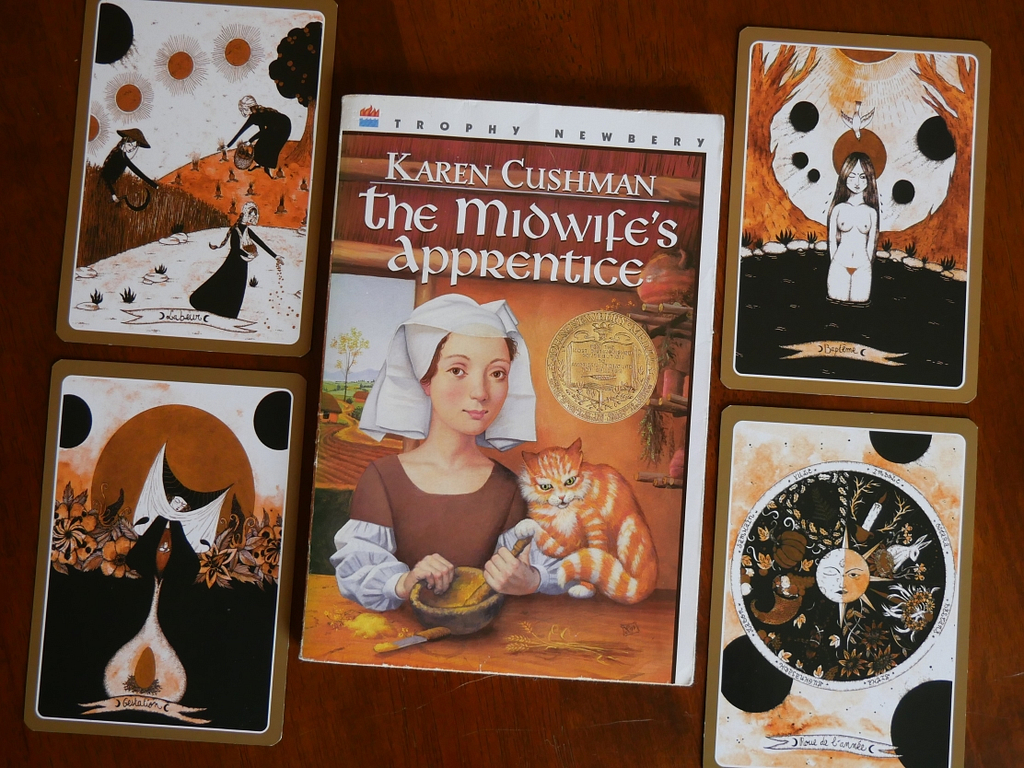
* The Midwife’s Apprentice by Karen Cushman
* I, Coriander by Sally Gardner
* The Raven Ring by Patricia C. Wrede (part of the Lyra series but I have not read any of the others.)
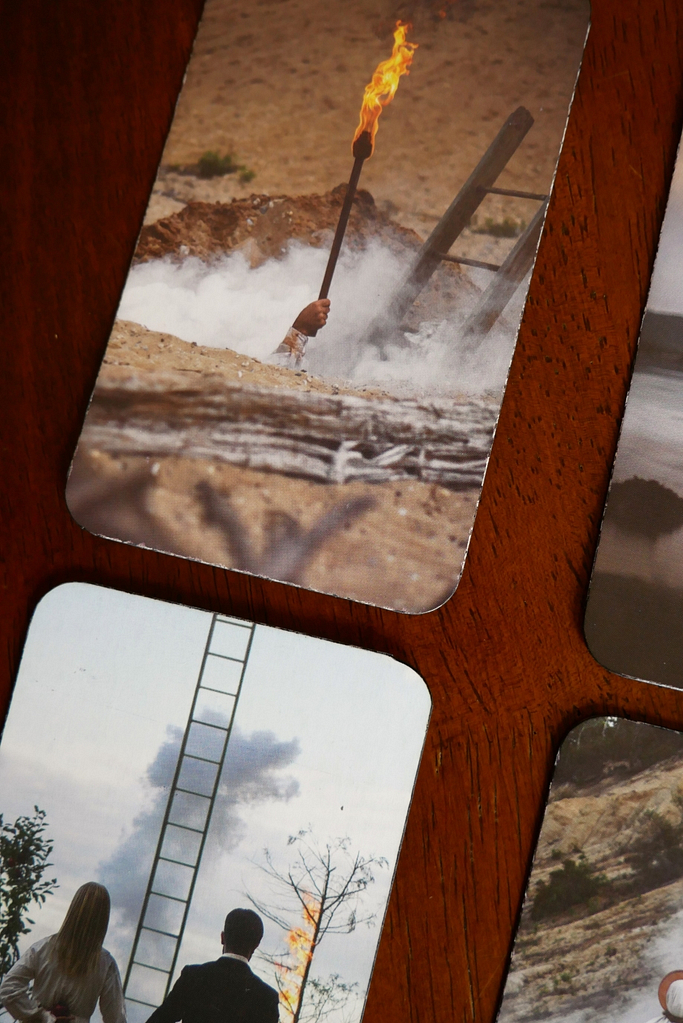
The Midwife’s Apprentice is pictured here with selected plot-relevant cards from Oracle Médiéval et Merveilleux by Gulliver l’Aventurière & Julien Miavril. (No spoilers!)
For one thing, all of these books (except Midnight Magic) were aimed, perhaps, at Young Adult readers generally socialised as feminine but at no point did they talk down to them. They were an excellent foray into how creative and narrative detail coexists wonderfully with good historical enquiry. There is an emphasis on trade and commerce. Some of these feature port cities or otherwise thriving commercial principalities and their conflicts with rural living and tradition. They discuss textiles as if their readers can and will care about how they affect plot. And they treat Otherworlds and/or magic with the same expectation: that readers are curious to know detail and will put in the imaginative effort. To me, this is how the imagination grows.
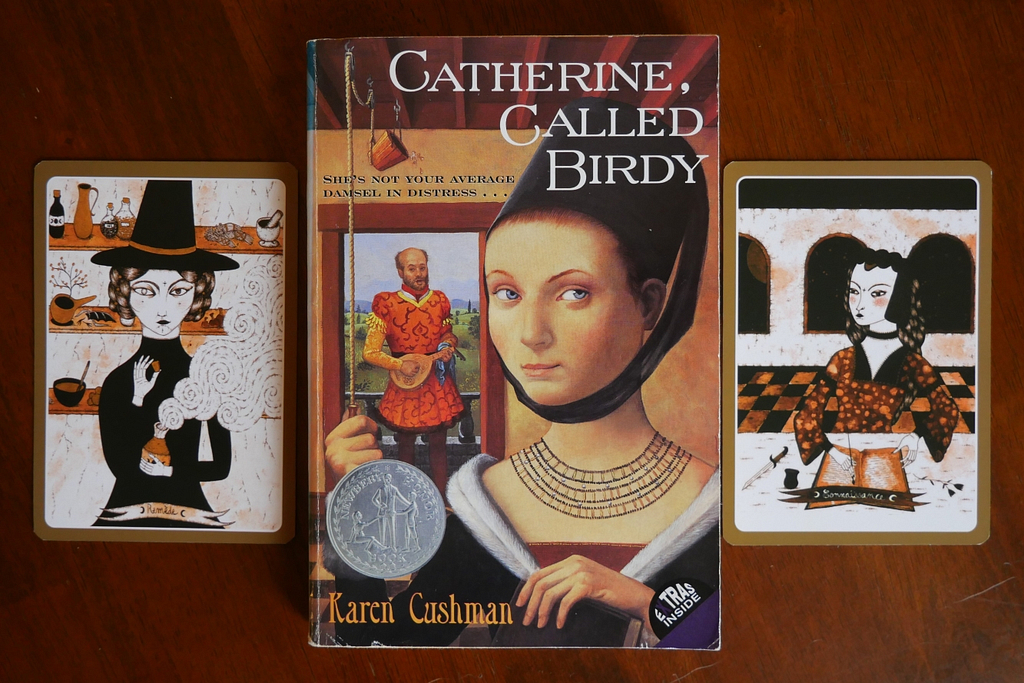
Catherine, Called Birdy is pictured here with two cards from the Oracle Médiéval et Merveilleux that are… relevant to the story. 😉
Artistically, a glance at these covers will possibly explain a thing or two about my own preference for facial portraiture and the art of the late middle ages and early renaissance. The time periods in the books vary a little more widely than the covers. I, Coriander, for example, is set mostly in Cromwellian England and the time period represented art historically on Catherine, Called Birdy is about 200 years later than the setting of the book (i.e. 15th century visuals [1] vs 1290-1291 book setting.) I was lucky enough, however, to have an aunt who overlooked things like that. For example, she focused instead on showing me how the play in perspective with the rope and bucket and the figural proportions on the cover of Catherine, Called Birdy were all little art historical jokes that the artist had borrowed from real historical painters. The implication was that if I was clever and curious, I could find them out …and I did!
Obviously there is so much to say even just about these books… so for now I will draw a few connections between I, Coriander and a few tarot and oracle decks that I have.
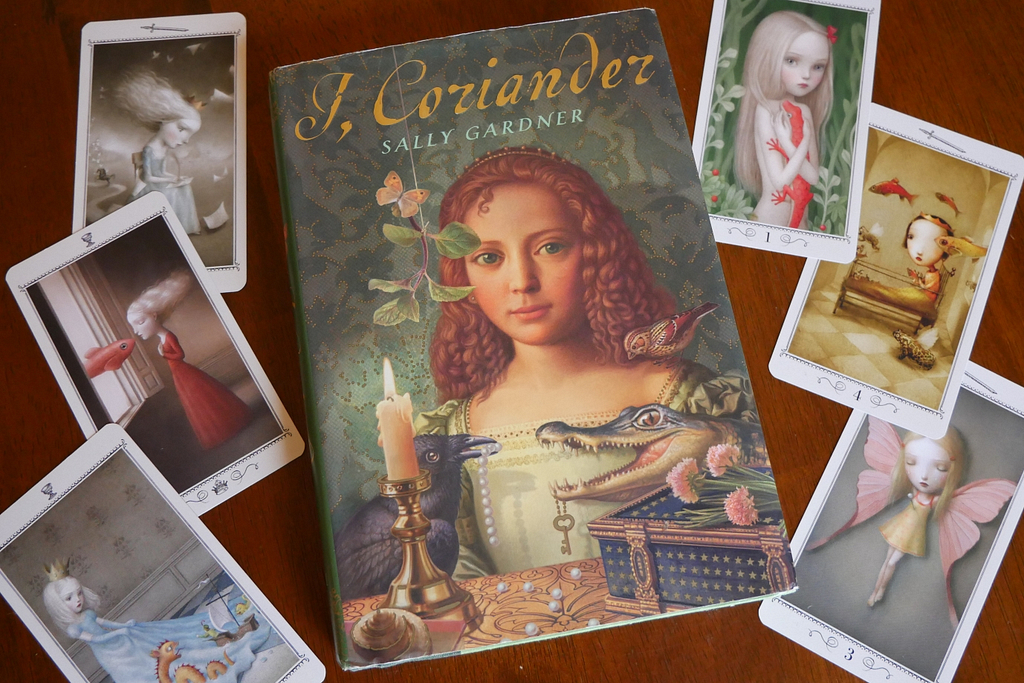
I, Coriander pictured here with selected cards from the Nicoletta Ceccoli Tarot. Once again, the penchant for strange emotionally intelligent portraiture!
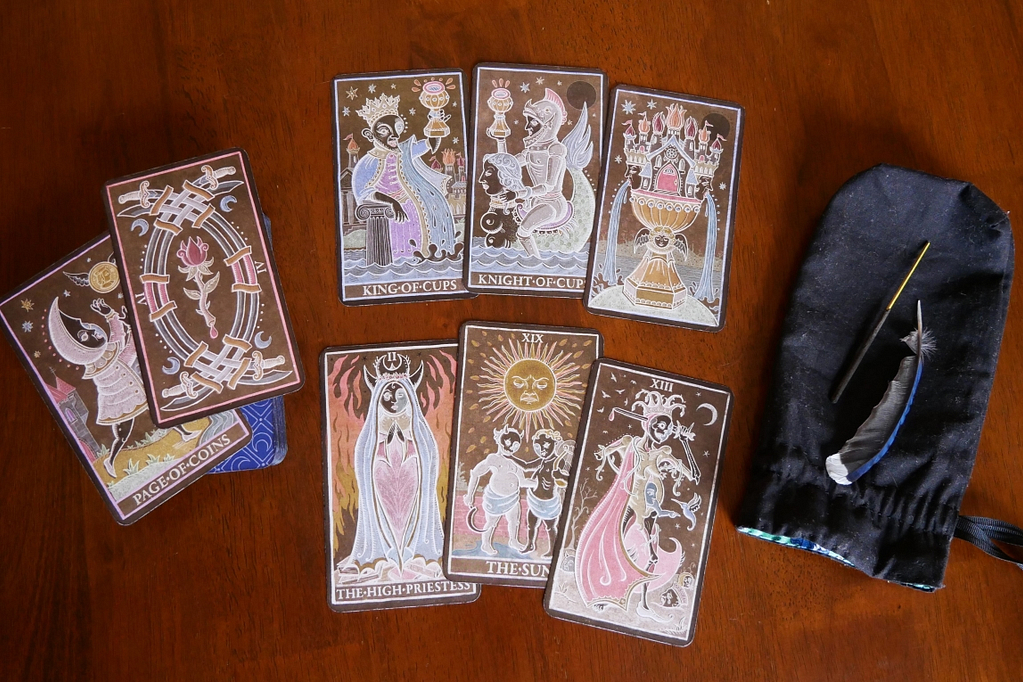
In the first place there is reference to a pair of wedding portraits in I, Coriander …a woman in the foreground holding an oak-leaf, a tiny hunting scene nearly hidden in the wooded middle-ground behind her, and a citadel in the distance. Her spouse is positioned in front of a fantastical city with a river or estuary intended (thematically) to mirror his connection with trade and the Thames. But in this city, there are mermaids and fantastical boats in the water among other things… I couldn’t help but picture certain cards from the Trionfi della Luna (paradoxical pictured below.) Or perhaps wander into a landscape just beyond the borders of such a city… might we find the world of the Somnia tarot there? People in old robes and linen shifts wandering in among the wetlands and sedge grasses gazing at the stars or riding silent sad horses?
Cards chosen from the Trionfi della Luna to mirror aspects of the story in I, Coriander… along with various imaginings of my own about the space we inhabit in the Somnia Tarot.
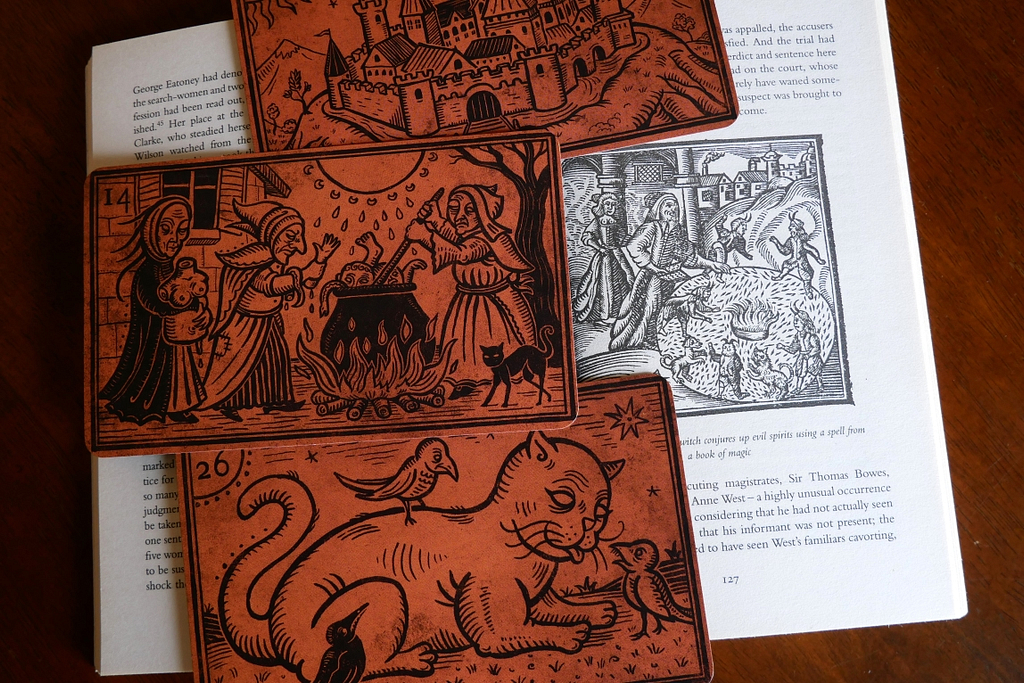
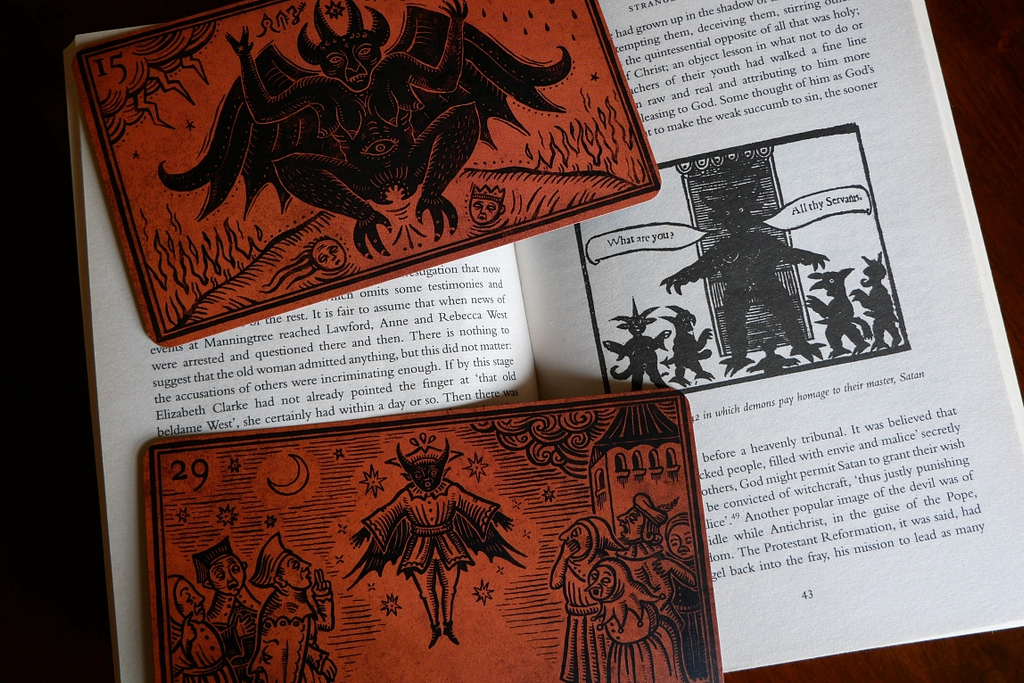
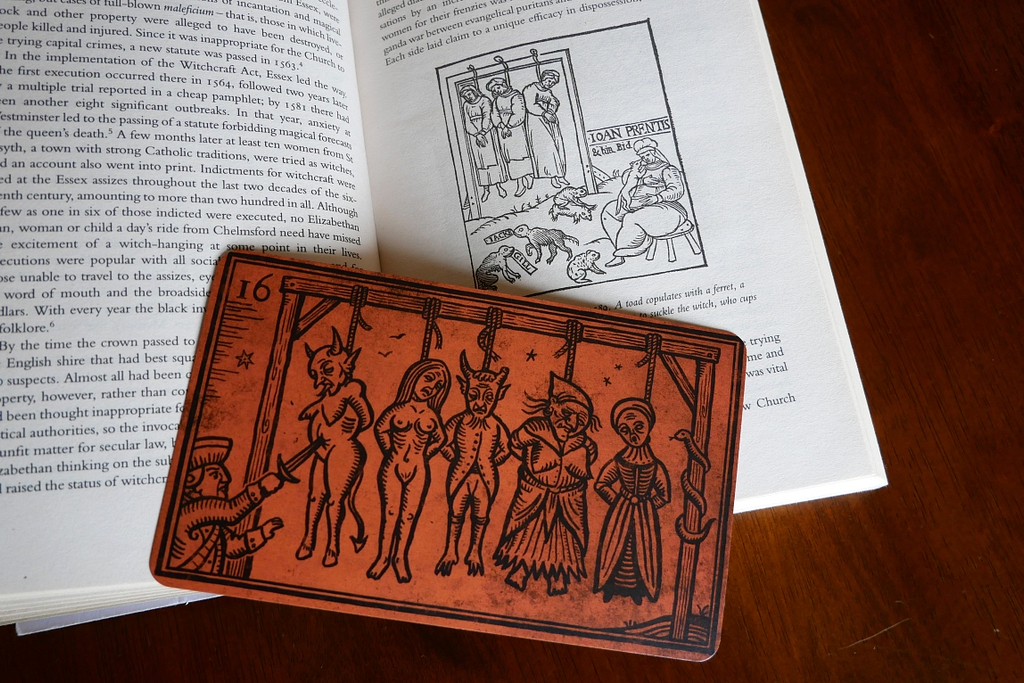
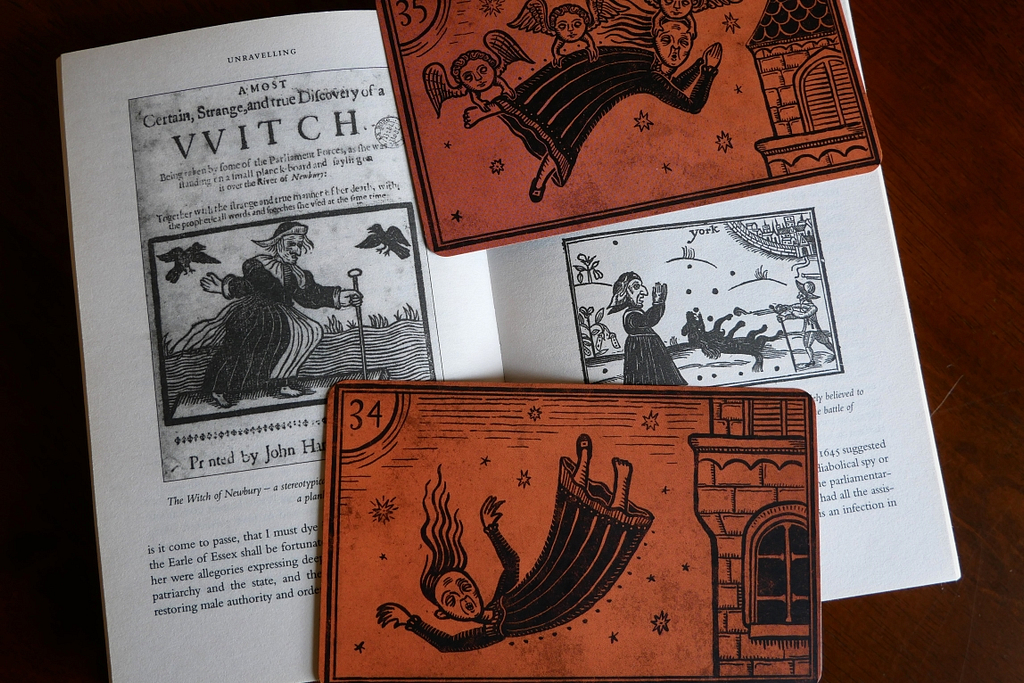
I should note I have also recently read Witchfinders by Malcolm Gaskill and am currently working my way through The Witch: A History of Fear from Ancient Times to the Present by Ronald Hutton… Of course, in so far as witch hunts in England overlapped with civil war tensions between Royalists and Parliamentarians (and occurred along Puritan vs ‘Popish’ lines), I, Coriander made for an excellent fictional backdrop! Also, I really enjoyed drawing cards from the Oracle of Black Enchantment (also by Deviant Moon Inc.) while reading Witchfinders as a visual processing exercise*.
Pages from Malcolm Gaskill’s Witchfinders featured here with various cards from the Oracle of Black Enchantment (Samhain edition.) Patrick Valenza’s art historical source material (at least in part) should be fairly evident…
Lastly, this emphasis on the detail of Otherworlds – their textiles, buildings, landscapes, emotional experiences, social relationships, flora and fauna etc. – is playing a huge role in my current artistic endeavours. I tend to see pip decks as decks full of concepts/characters (in the majors and courts) and their scaffolding and architectural surroundings (in the pips). Sometimes this visual architecture is metaphorical and sometimes it is fairly literal. It depends on the reading. But it’s also helping me to tease out what it feels like to think of tarot decks in this way and what that might mean for creating a tarot deck of my own. Furthermore, I have been rebuilding a former world of mine and have recently begun sewing some clothing that I envisioned there…
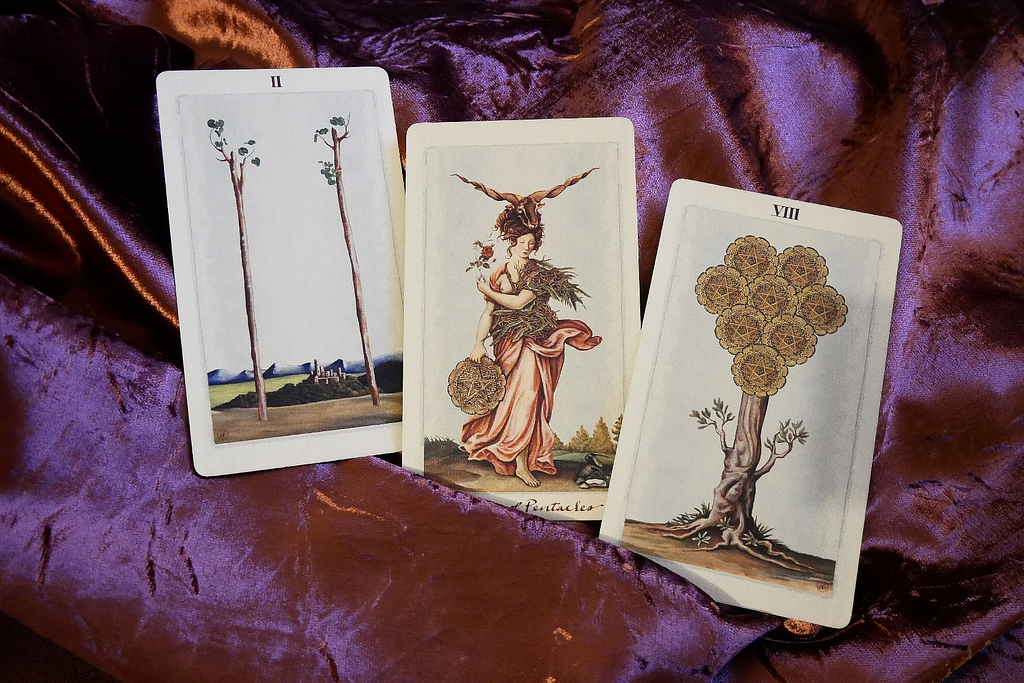
And, of COURSE, the Pagan Otherworlds Tarot… featured here over (deadstock) cognac red crushed velvet ::drool::
Perhaps the act of sewing my own clothes is really the process of bringing fairy clothes over the divide? It would explain the time traveler vibes, don’t you think? 😉
So… this post has mostly been about my own personal explorations and impressions. I plan to return soon, however, with some better grounded and CITED analytical material about art history and technique.
Sincerely,
Saoirse.
* Please note! Literally any deck will aid in visual processing or reinforcing thematic content for literally any book. There is no need to acquire any deck not already within your means or comfort zone. Decks/products/material items are mentioned here for illustrative purposes only! It’s PRAXIS that matters.
** All decks featured here of my own volition and arising from my own use of them. I have neither been invited nor commissioned to do so and I have no affiliation with any of their creators. The TdL (paradoxical) was a private gift from a friend. All others were purchased by me.
[1] See images by artists like Petrus Christus (especially ‘Portrait of a Young Girl’, 1460s) and his contemporaries. The cover here has a very Burgundian look with a single truncated hennin among other distinguishing features…
My etsy shop is now live! Here’s the link!!! You can also access the shop through the Etsy button on the home page of this website. Finally. Whew!!!
The experience of putting my art out there has already been rather different than I expected. Call it an ‘apocalyptic outlook’ but I was a little surprised when I posted the listings and the world didn’t suddenly come crashing down on some kind of volcanic Bosch-ian level. It turns out, at least so far, that I can post something and then breathe! And then breathe again! Who knew…
I want to keep this blog entry short so, for now, just a few words on what I’m planning for the shop space.
INKS! For legal reasons, liquid ink will only be available for domestic customers once I post the listing. I am currently investigating techniques for dried/powdered inks for international shipments.
DOLLS/POPPETS! I aim to have some witch dolls as well as smaller poppets available in the coming weeks. These will all be OOAK but my aim is to have a little more uniformity for the smaller ones so that any magickal practitioners can better adapt them for less formal uses.
PRINTS! Over time, I hope to offer more prints. The art featuring black backgroundS (such as my tarot archetypes) cannot be sold as prints in a practical way so I will be featuring art with lighter backgrounds.
✨️A question for readers!✨️ I would love to hear if people are more interested in animal representations (such as corvids, foxes, or generally speaking Irish and American fauna) or if they would prefer more human (or humanoid) portraiture…
I always do a mix in my own art practice, so it would be good to get a sense of what would be better suited specifically for sale!
Any thoughts? Leave a comment!**
Sincerely,
Sorsha.
** Comments are set to manual approval so yours may not be visible right away!
My aim with my online presence in a holistic sense is to do the work of further developing a unique and authentic artistic style and to build that as an inseparable part – maybe even just an outward expression of – my witchcraft and personal paganism. (In some ways, my goal is also to work myself up to a place where I can open my etsy shop and trust myself to handle things like paper work and post offices with reliability.)
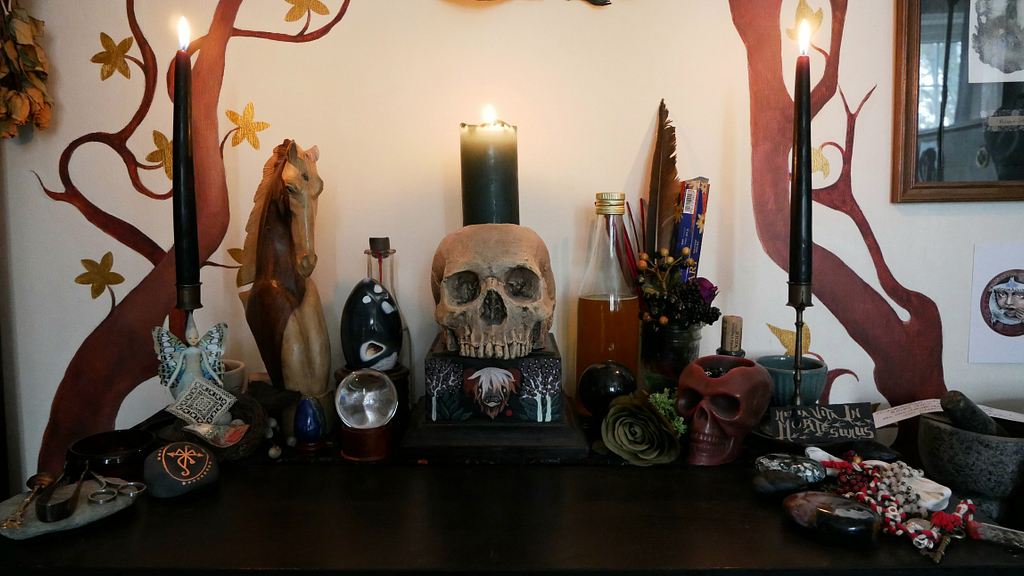
There are many topics that get poured into this massive cauldron of bubbling inspiration and what I want to do is explore that process in a conscientious, intentional manner so that whatever comes out (at any given time) does so as fully considered, balanced, and informed as it can be at that time. Some recent ingredients (or topics) of focus have centred around revamping my altar and strengthening the practical aspects of my devotion to the Morrígan.
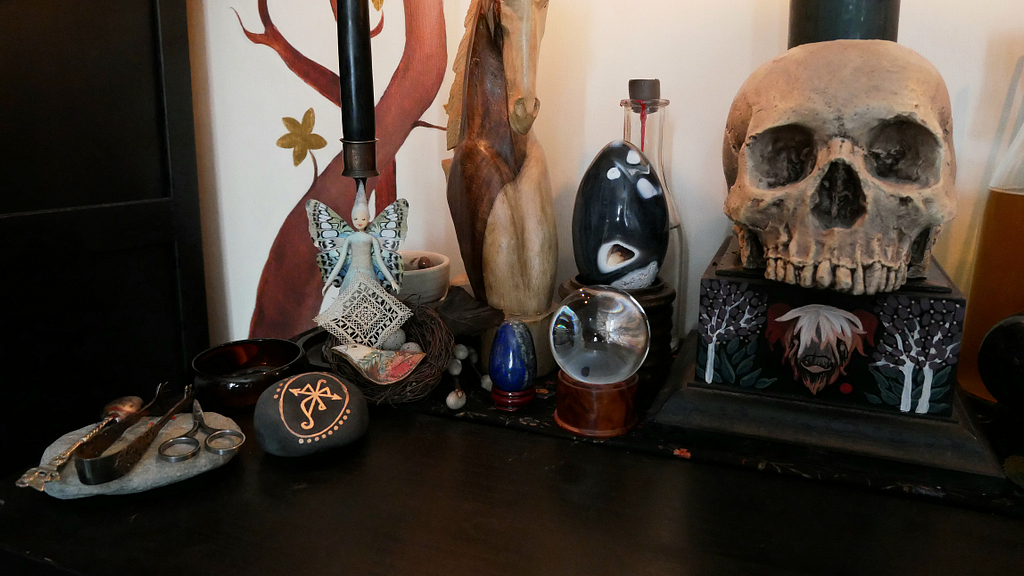
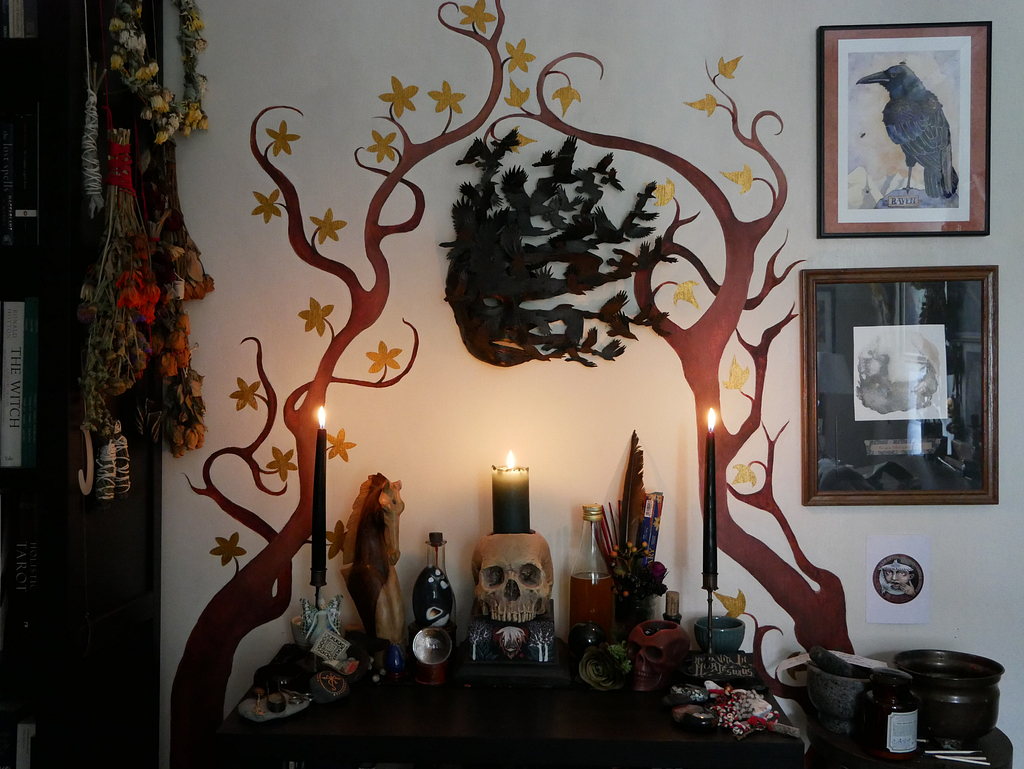
I wanted the art on my altar to function more directly on the Morrígan in her many aspects. I have felt for a long time that I was placing too much emphasis on her bird forms (Badb), her horse forms (assuming we take Macha to be a facet of the same goddess or even her sister), and to some extent her association with war and death. Thus, the altar has the bird, the horse, and the more cosmic otherworldly aspect accounted for but no wolf, cow, or eel… and also no succinct representation of triplicates either! (It used to but hasn’t had for a while – long story.)
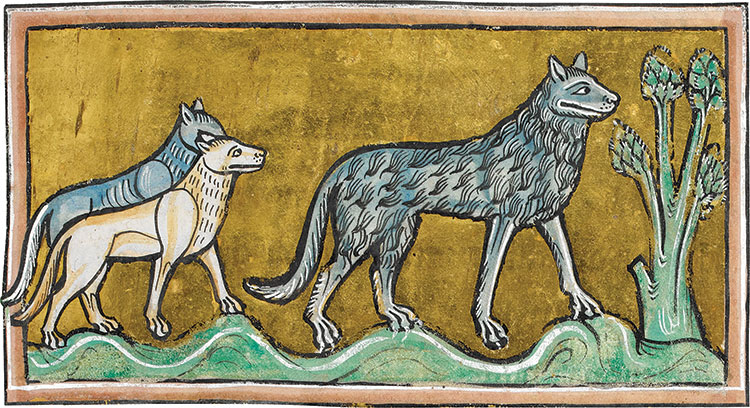
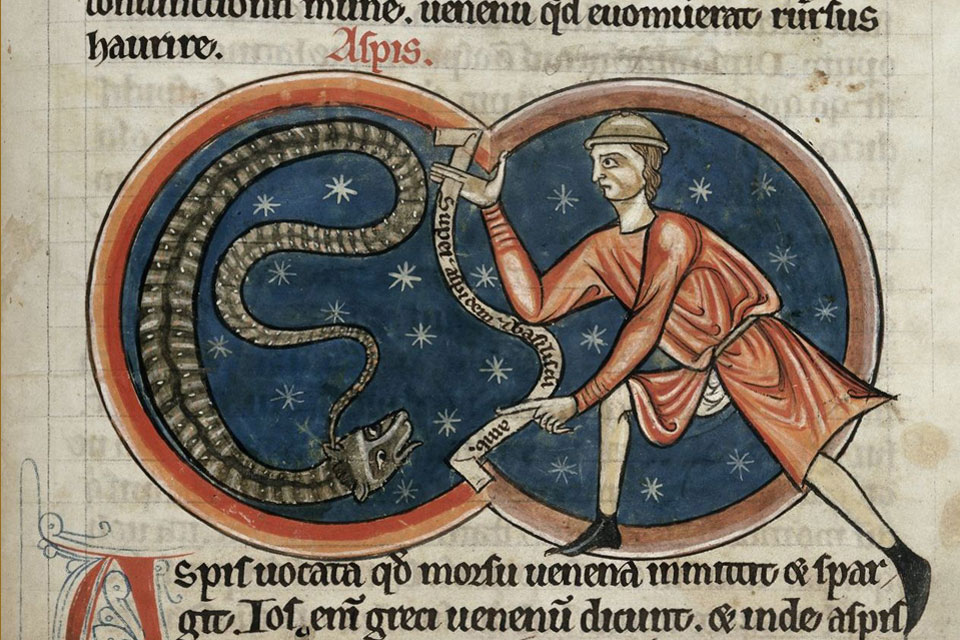
The next question I had was how could I represent so many new animal forms without entirely dismantling my altar for a new layout? I generally take a medieval inspired approach to Irish myth so the first place I looked was medieval manuscripts for representations of the animals in question (or near enough). Below are some examples (including source information) of wolves, cows, and…anything like a snake or fish to give a stylistic basis for drawing an eel. (Oddly, eels were fairly commonplace food items in the middle ages but I’ve had a hard time sourcing properly cited examples. Thanks Pinterest 🙄)
Psalter of Robert De Lisle, c.1310Rochester Bestiary, c. 1230Der Naturen Bloeme of Jacob van Maerlant, c. 1350Harley MS 4751 (ft. additions of Gerald of Wales’ Topographia Hibernica, late 12th-early 13th c.
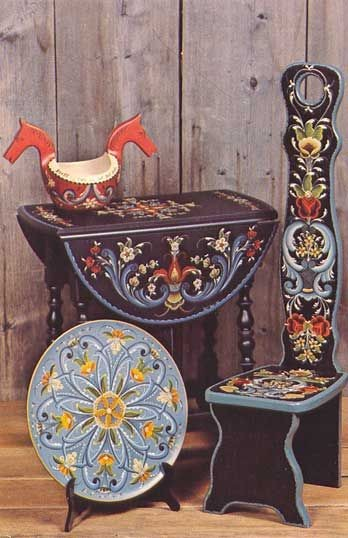
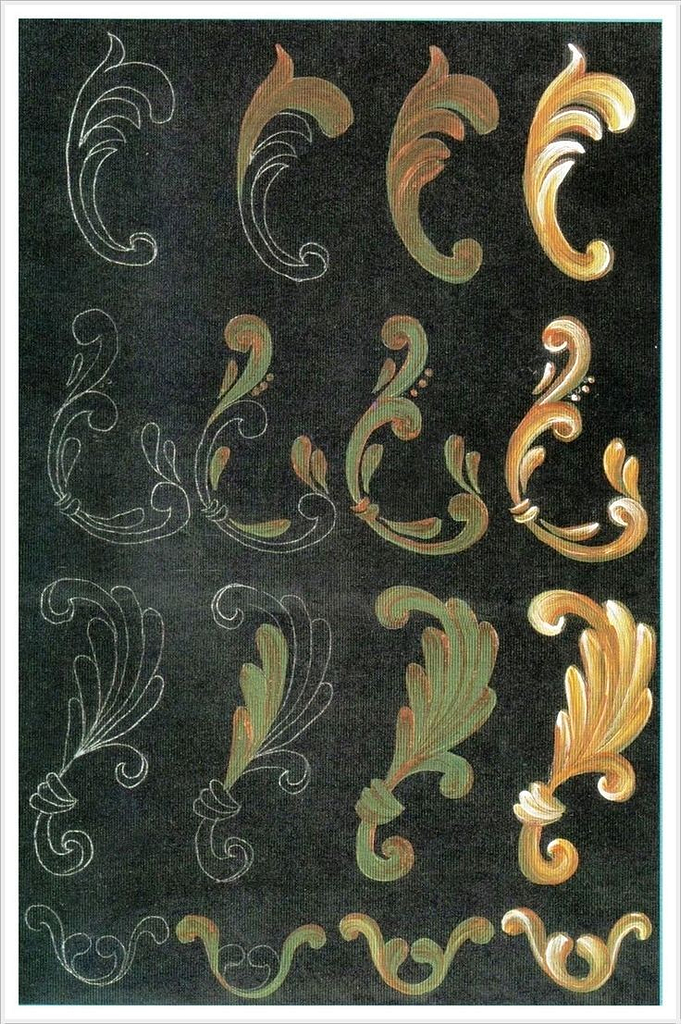
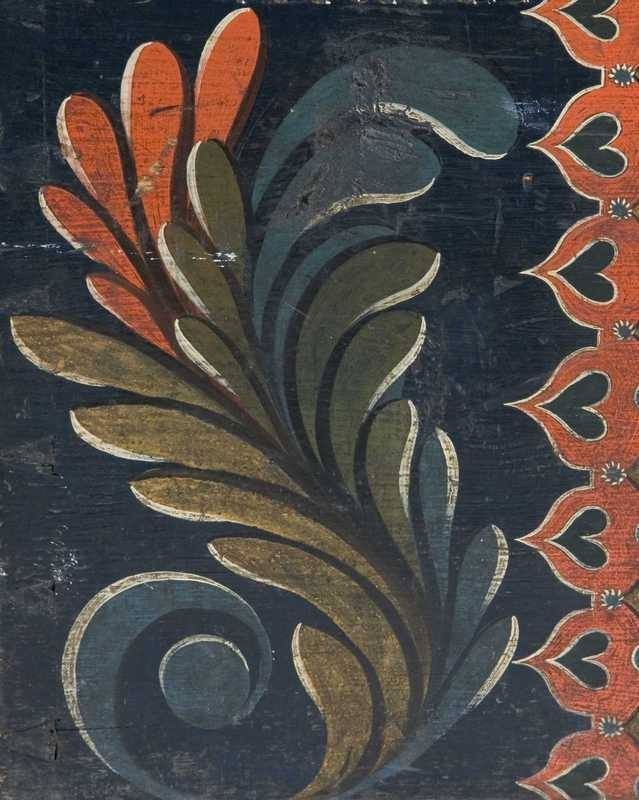
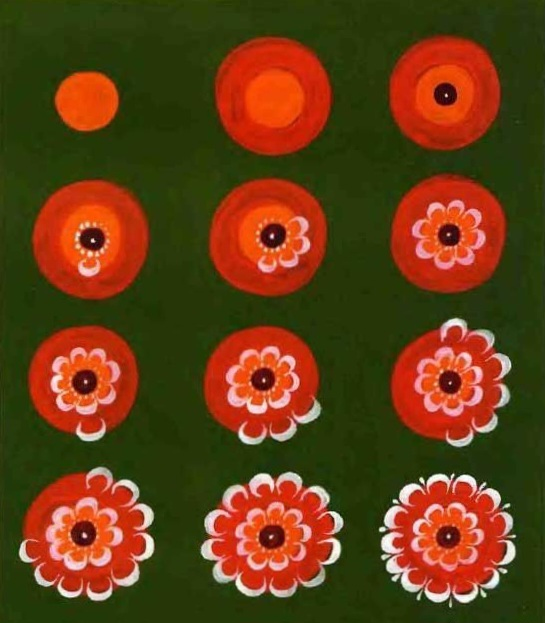
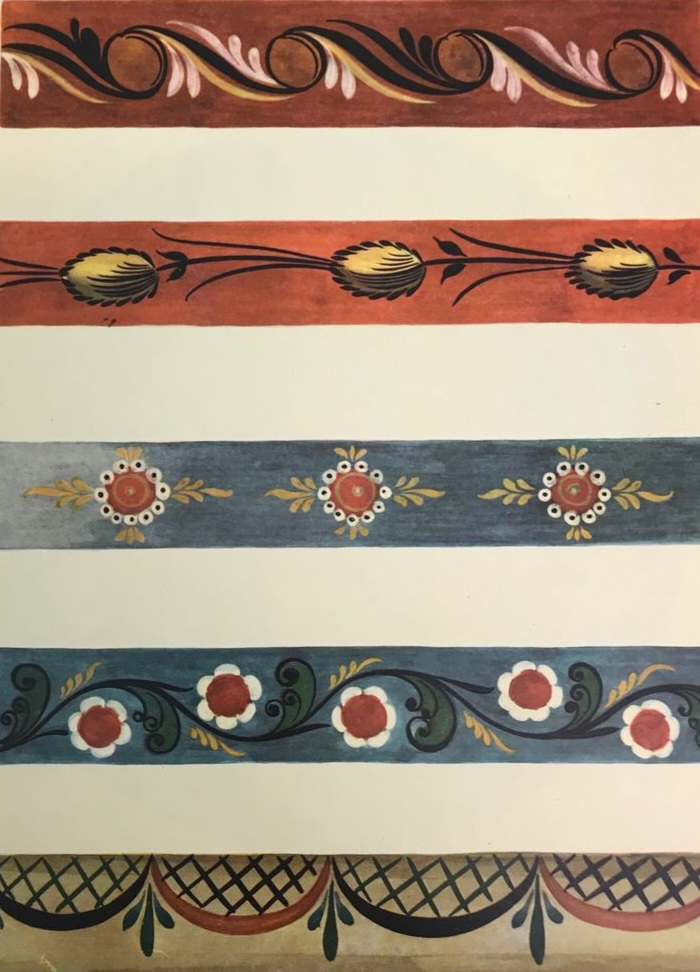
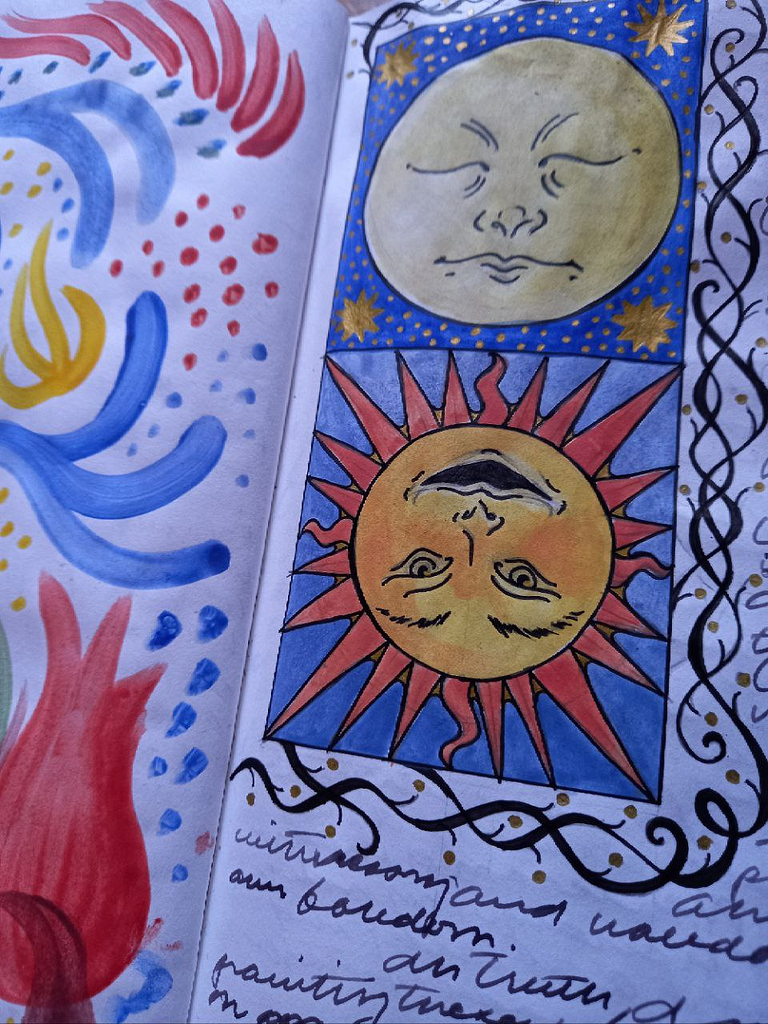
I am also always itching to paint on my furniture (and my walls…as with my altar space) and this seemed like a very good, risk free chance to work on developing my own technique inspired by medieval aesthetics and mimicking various folk styles such as Scandinavian (esp. Norwegian) rosemaling. I also grew up and worked in an area of the US with a lot of old houses that featured strange old paintings in their attics from the folk arts movement – an artistic tradition that included painting folk motifs on furniture as well. Below are some examples that I used as a basic reference as well as a page of my Book of Illuminations where I had some fun practising brush strokes!
Examples of rosemaling style painting – largely uncredited on Pinterest.
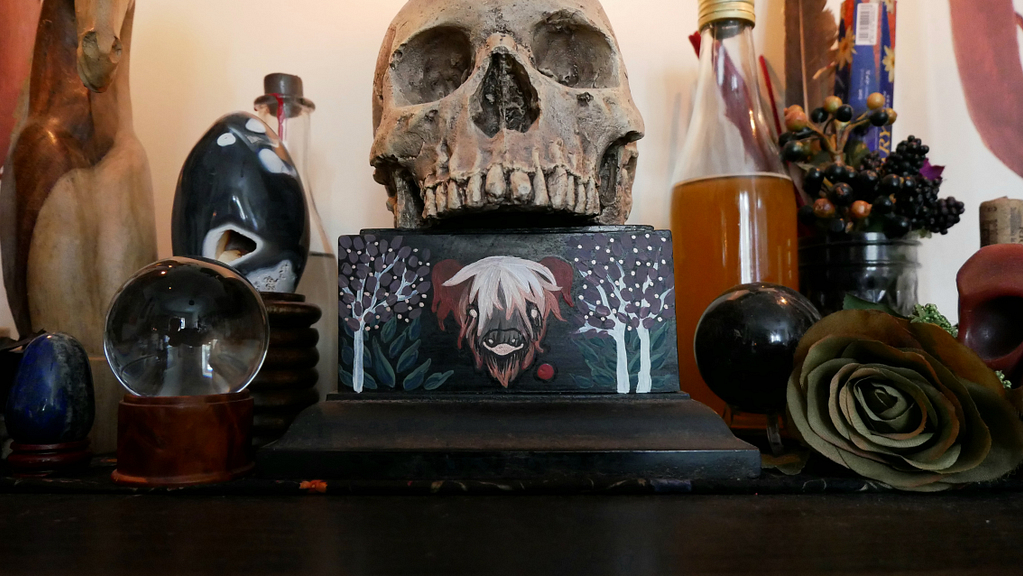
So I went to the vintage/antique shopping. Among other treasures such as a white rosary specked with what I assume is years of incense resin and a really beautiful old green glass bottle…I found a black wooden statue base. Bought it, took it home, cleaned it up and worked on designing how to paint it! Yorick was being fussy about the box he had been on anyway. 😉
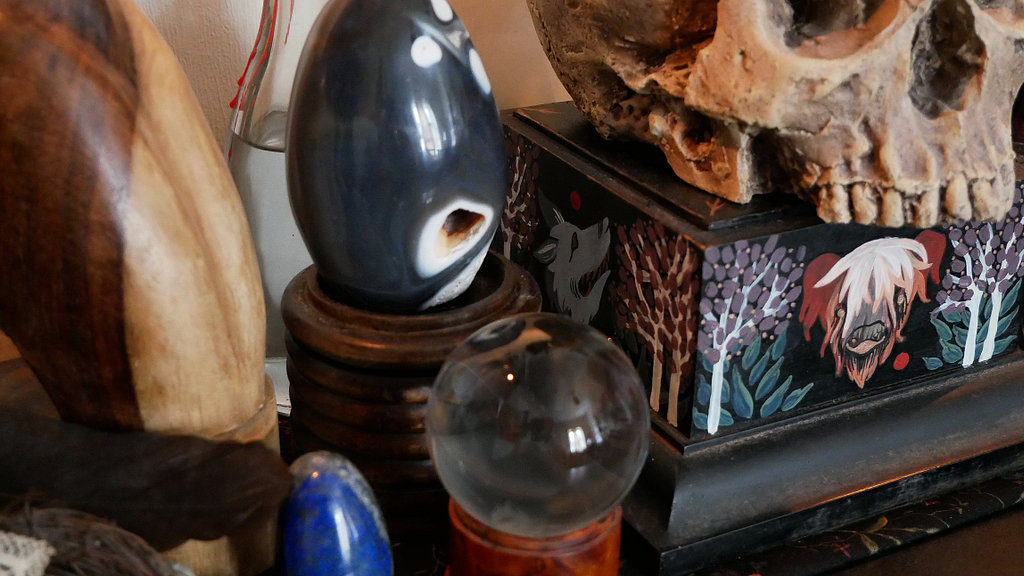
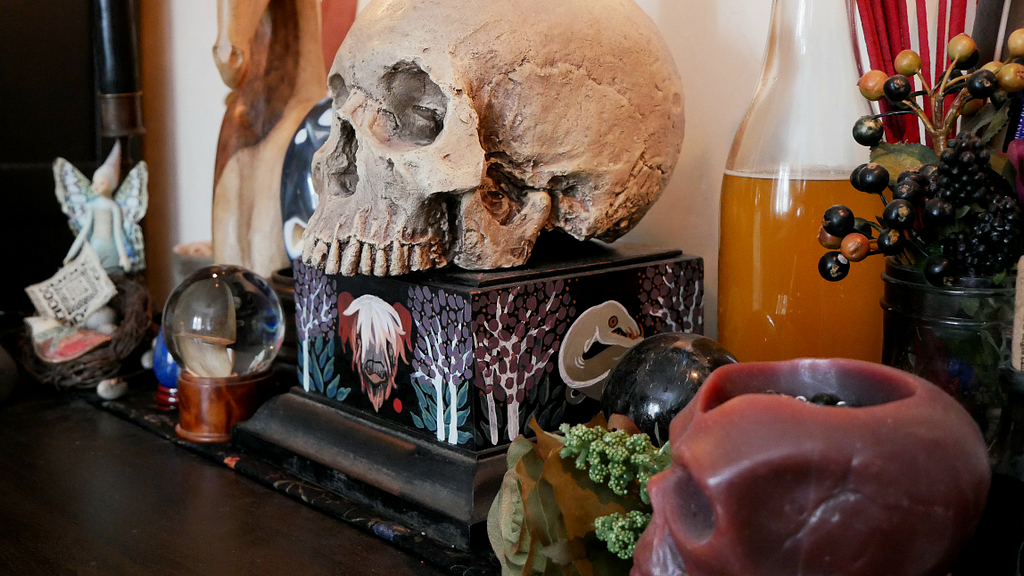
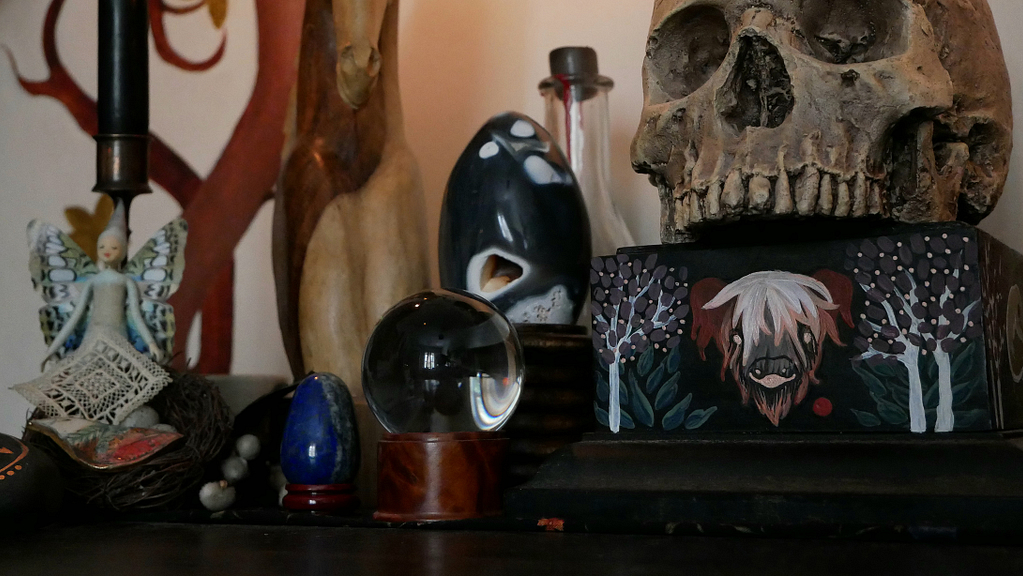
Out of all of this I designed three panels for the statue platform. I incorporated a few William Morris/Arts & Crafts movement/stained glass inspired elements as well (most notably in the birch trees and the leaves behind them.) Note! The cow faces forward and is also somewhat based on modern highland cows… The part of the Táin where the Morrígan takes this form describes Her as a ‘hornless red heifer’. I decided to lighten the colours on her head and keep her ears red as a slight nod to otherworldly cows or cows from the sidhe which are often described as white with red ears. The final product also shows three drops of blood, one for each animal, which are placed spatially in such a way as vaguely indicates where Cúchulainn’s sling shot injured Her in each case. Below are my notes and sketches!
Astral egg symbols abound!Paint experiments.Sketches based on medieval examples – focusing on directionality of brush strokes. Eel modeled loosely on a fresh water species.
The final result up close and in situ! This shrine feels so much more complete now. Best believe the gold of Her eyes lights up in reflected candle light.
A video showing some of this process will follow in a day or so, so stay tuned for that! I will endeavour to update this blog post with the embedded video when it is ready.
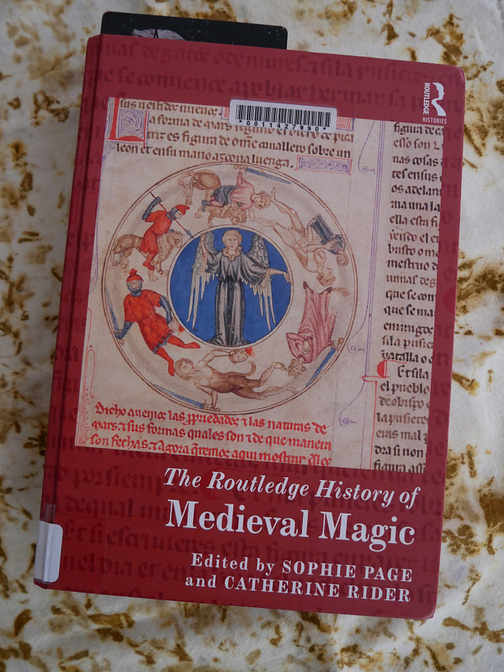
I mentioned in last week’s video (“Who Painted the Lion?” or “Medieval Shadows & Cards of the Year”) that I have begun exploring academic perspectives on medieval magic. The first thing of note is a fairly baseline agreement on the historical distinction between ‘magic’ and ‘witchcraft’ (something we see holds true in the early modern period as well through secondary works by the likes of Ronald Hutton etc.) The second thing to highlight is that, as with most things, this is an entire academic discipline and a developing one. My intention is to pursue the points that interest me and then see how it feels to relate some of that back to my own work as a modern practitioner of ‘medieval-infused’ witchcraft and art magic.
The aim of this post and any others like it (e.g. capering treacherously on the border, with historical research or context on one side and personal gnosis or numinous magic on the Other) is simply to show ‘process’:
How do I gather ideas or inspiration?
When, how, and why does that inform my magick and art?
Why might that lead to further UPG (Unverified Personal Gnosis)?
For now, I’ve started with “The Routledge History of Medieval Magic”, edited by Sophie Page* and Catherine Rider and published in 2019. The main goal of the book is to show the current standing of the field but also to illustrate various directions in which it needs expansion. It’s less an overview of what has come before and more an academic call to action with each chapter serving as useful examples, or signposts, for further research. Yes please!!!
Part I, Chapter I: “Rethinking how to define magic” by Richard Kieckhefer presents some interesting ideas surrounding why magic is difficult to define (even for academics! We’ll steer clear of the choppy waters around definitions of magic and witchcraft in modern practice on this blog!)
Concepts that caught my eye came up as he was establishing his main system of “aggregating terms” vs. “constituitive terms” (pp. 15-16) – i.e. the vague umbrella terms like ‘magic’ vs. better defined component parts. He draws a comparison to the term “mysticism”. Like the word magic, ‘mysticism’ resists attempts at explanation and evokes many different ideas or impressions of what it is.
“A comparison may help. It has long seemed to me useful to think of mysticism […] not as a single phenomenon but rather as a cluster of phenomena that may at times be distinct but tend to become intertwined. There is mystical prayer, mystical relationship and mystical consciousness.” (p. 15)
In the medieval Christian context,
mystical prayer – involves “fervent and intense, highly concentrated, focused prayer, cultivated within the setting of the contemplative or monastic life.”
mystical relationship – Kieckhefer represents through Bernard of Clairvaux or “the German sister books that are deeply steeped in “theoerotic” relationship […] with Christ.”** This is the view in which one might ‘burn with love’ for deity.
mystical consciousness – Kieckhefer says can be found in the vernacular sermons of Meister Eckhart “who wants his hearers or readers to gain a lively awareness of God’s presence within herself […] and her own true and eternal presence within God.”
Kieckhefer clarifies that these may all be combined in different ways by a single medieval writer. His example is the writing of Teresa of Ávila. (p.15)
I’m already interested in the murky waters of mystical thinking… not to mention words like “theoerotic” (which, incidentally, might be more readily available to the imaginations of non-Christian devotees of deity or deities).
**Some books on my ‘TBR’ taken from my atheist partner’s bookshelf (who’s shelf SHOULD these belong to? Squabbles abound.)
However, coming back to the aggregating term of ‘medieval magic’, Kieckhefer offers at least three options for its constitutive terms: conjuration, symbolic manipulation, and directly efficacious volition. (p. 17-18)
Honing in on symbolic manipulation (hello, art witch here!) Kieckhefer says some really juicy words:
“If a plant shaped like a liver is useful for healing the liver, it is in that sense a sign of what is thought to affect, and the intelligible resemblance is what effects the healing. […] If conjuration is a reprobate branch of religion, symbolic manipulation claims an efficacy like that of science and will be seen by its practitioners as a type of science. The magician who manipulates symbolic links in the natural order might be thought of as tugging on invisible cords that link one level of that order with another. The symbolic links may be articulated in terms of cosmic correspondences and sympathies, at least in sources that provide theoretical grounding for magical practice. If the invisible cords are not thought of as efficacious symbolically, then the process is not magical; the user may not be told explicitly that symbolic links are entailed, and may simply be assured that the results are tried and proven, but in magical operations, the symbolic causality is at least implied by the types of word, ritual and object used.” (p. 17)
Taking this historical analysis and running wild with it in the modern day, I think the analogy of tugging on unseen cords of meaning is just…poetry. This may also provide a very useful visual for what some modern practitioners mean in their discussions of magical correspondences or energetic work. In my view, this perspective posits a model for developing personalised magical symbolism in art as and when it feels creatively powerful to do so. Whether the ‘invisible cords are thought of as efficaciously symbolic’ might be the keystone for agency in that approach. If I were to use the language we have explored here in Kieckhefer’s chapter, then to be an art witch is just as much the work of developing artistic style, an individual (and recognisable) ‘voice’, and recurring visual motifs that – when aggregated – convey an added layer of meaning in the whole that is the finished piece. In other words, they constitute magic.
Art must also speak for itself… but in theory, part of the magick that heightens its efficacy might lie in some of the following: symbolic connections forged by the individual artist; the time spent exploring the meaning of what they want to do or say; practicing techniques for how that might be rendered; and strengthening those motifs (‘correspondences’) over time. Perhaps this is contained in colour choices? Or recurrences in textural play? In different media? Or in more literally repeated visuals like egg symbolism?
I’m reminded of the medieval Irish approach to manuscript illumination and prayer…where the word and all its colours and symbols IS the prayer, IS the presence of the divine in an even more literal sense. (A famous example being the Chi Rho page in the Book of Kells.)
I would very much love to hear your thoughts in the comment sections! How do you feel about the way your creativity or your magick comes together or what that process entails? What do you think about sources of inspiration and how that becomes magickal for you (whether you make art or not!)?
Incidentally, medieval Ireland, medieval Celtic magic, and how that might impact art witchery will be the topic of Part 2 of this post. I’ll leave you with that cliff-hanger – mainly due to space and time constraints – and hope very much to see you there.
Page, Sophie, et al. “Part 1, Chapter 1: Rethinking How to Define Magic.” The Routledge History of Medieval Magic, Routledge, Taylor Et Francis Group, New York, NY, 2019, pp. 15–18.