Of imaginary architectures.
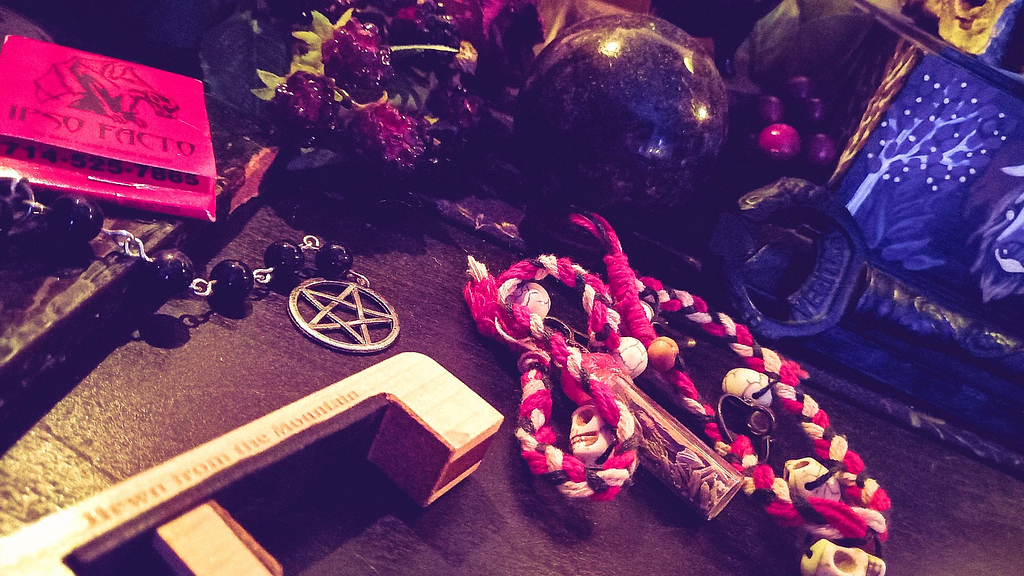
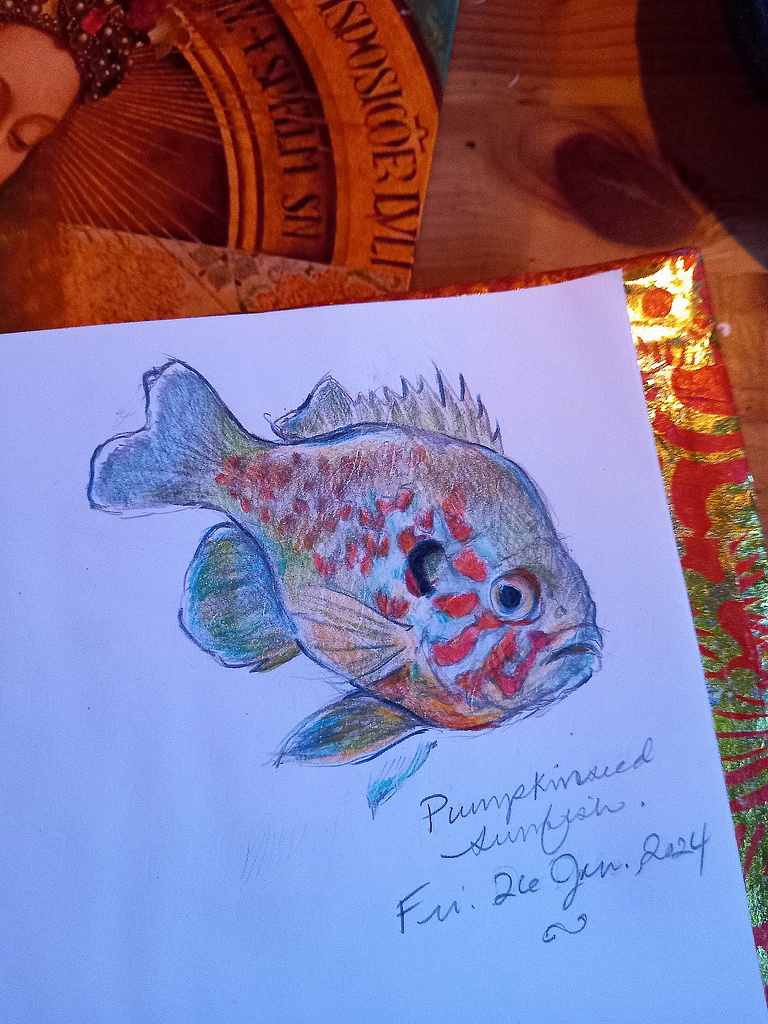
Playing morning music & thinking thinking thinking….
~ S. G.
Of imaginary architectures.
Playing morning music & thinking thinking thinking….
~ S. G.
As a rather belated follow up from this video:
I wanted to discuss some basic inspiration & information that went into this project as well as some aspects of what the reality of sewing historically inspired clothing looks like… and of course some of how this applies to (my) witchcraft.
First – on my channel I have addressed a few of the reasons I prefer corsetry but, at some point, I will write a blog post with a proper explanation of the practicalities of corsetry in my life. That day is not today.
Q: What are my design references and aesthetic aims? What am I hoping to achieve visually?
This tends to shift around a bit but stays loosely within the parameters of 1) my time periods of interest and what potential I think they have for overlaps in design and 2) silhouette and colour blocking. Additionally, I like to evoke a mood and set of associations: a medieval decadence (in terms of color and texture); the proportional strangeness & darker shades of Northern Renaissance painters (Petrus Christus, Roger van der Weyden, Jan van Eyck etc); and a tongue-in-cheek reference to Victorian societal dysfunction (I like inverting value judgments based in puritanical virtue, assumptions around sexual permissiveness and mental health differences, reliance on religious institutional hierarchy etc.)
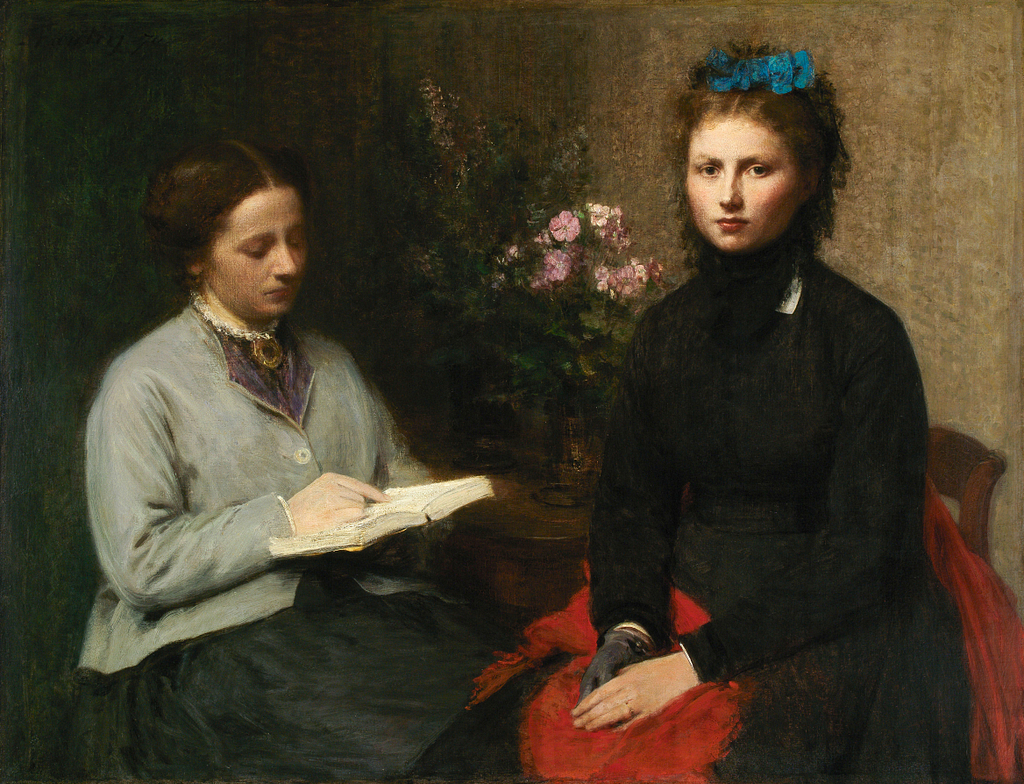

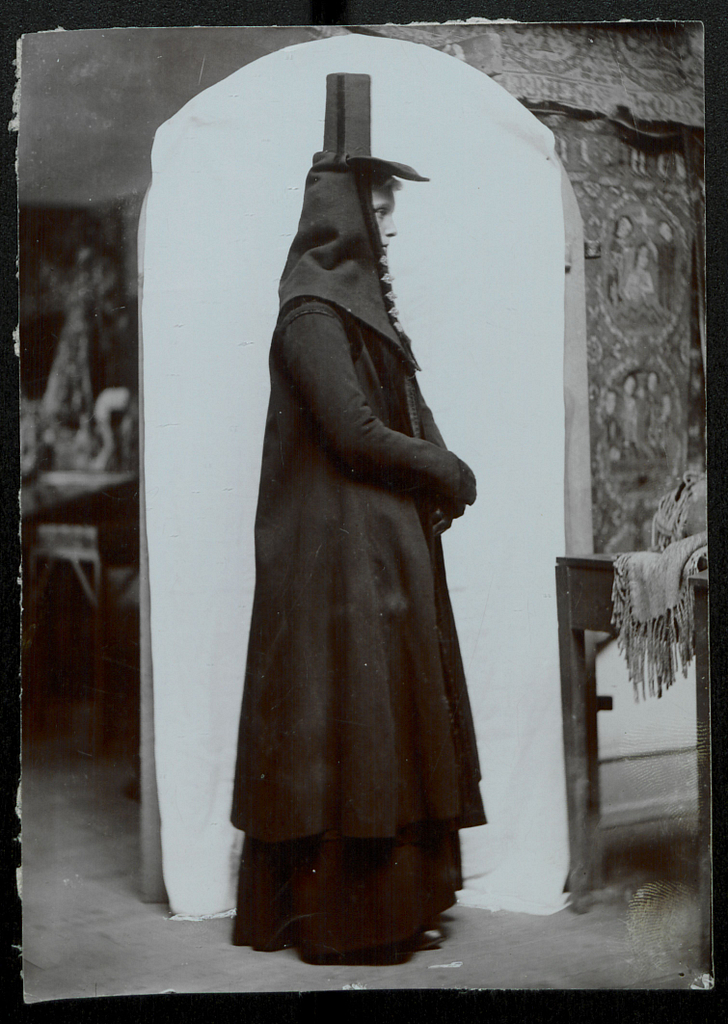


… A witch, at any given time period, would have existed largely in the same clothing expected of most people around her (and may well have identified with them religiously too). I like to explore that dissonance… An almost severe black silhouette with cheeky splashes of colour, perhaps? Dress me like a puritan but invert my cross!!!
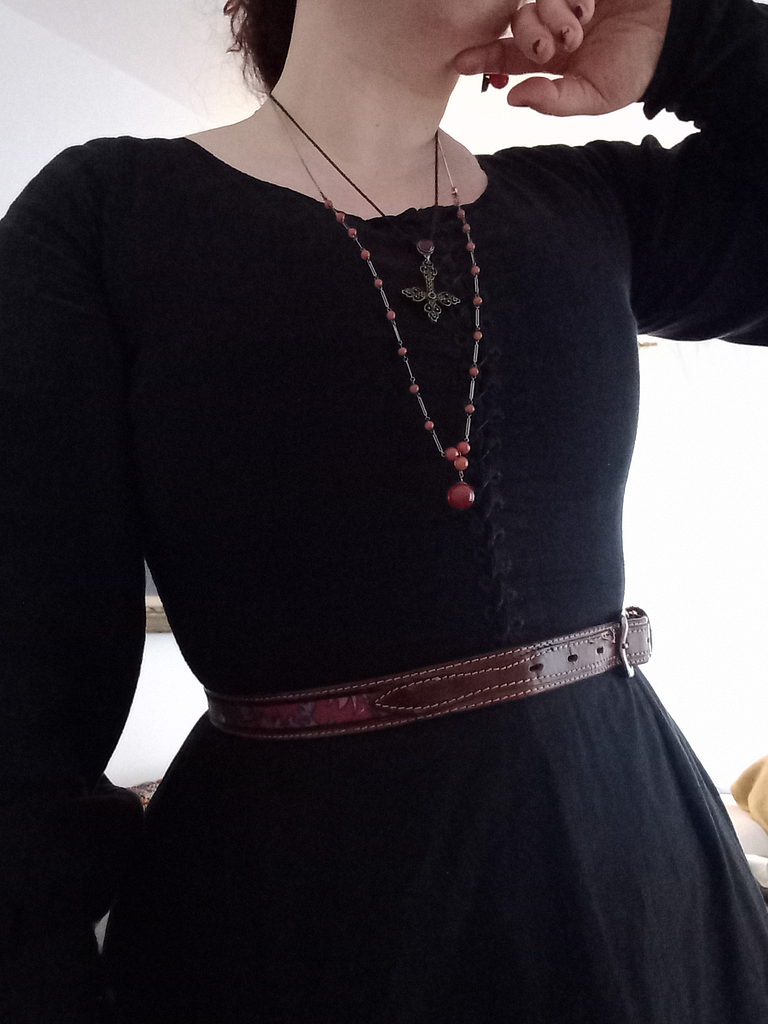
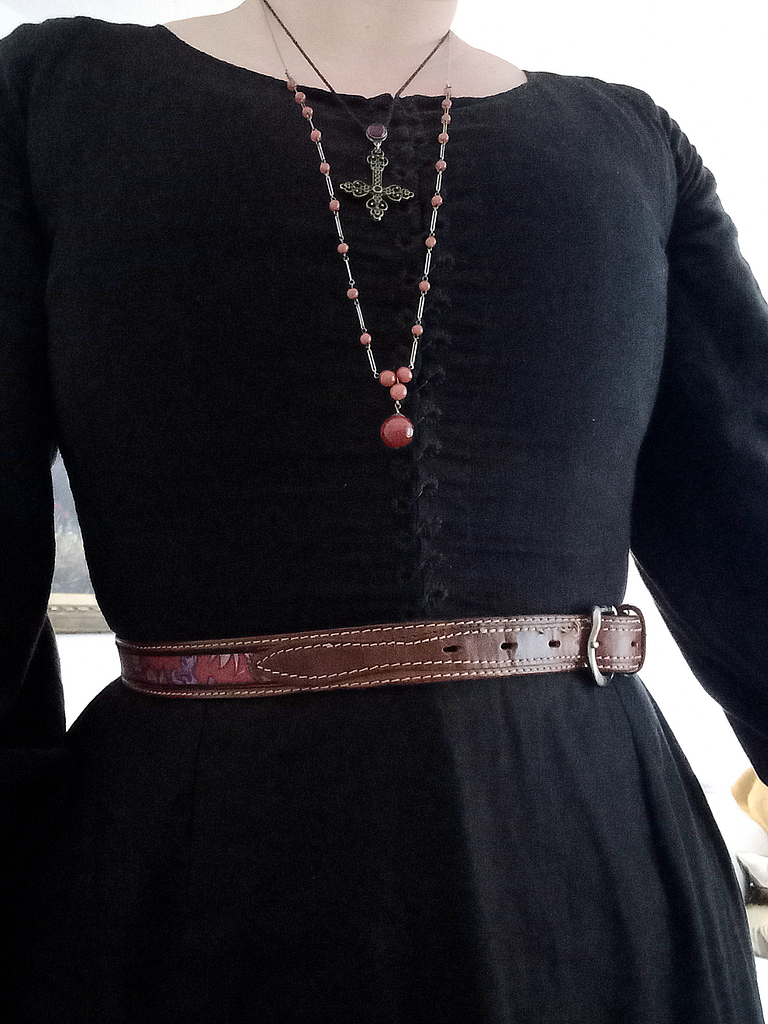
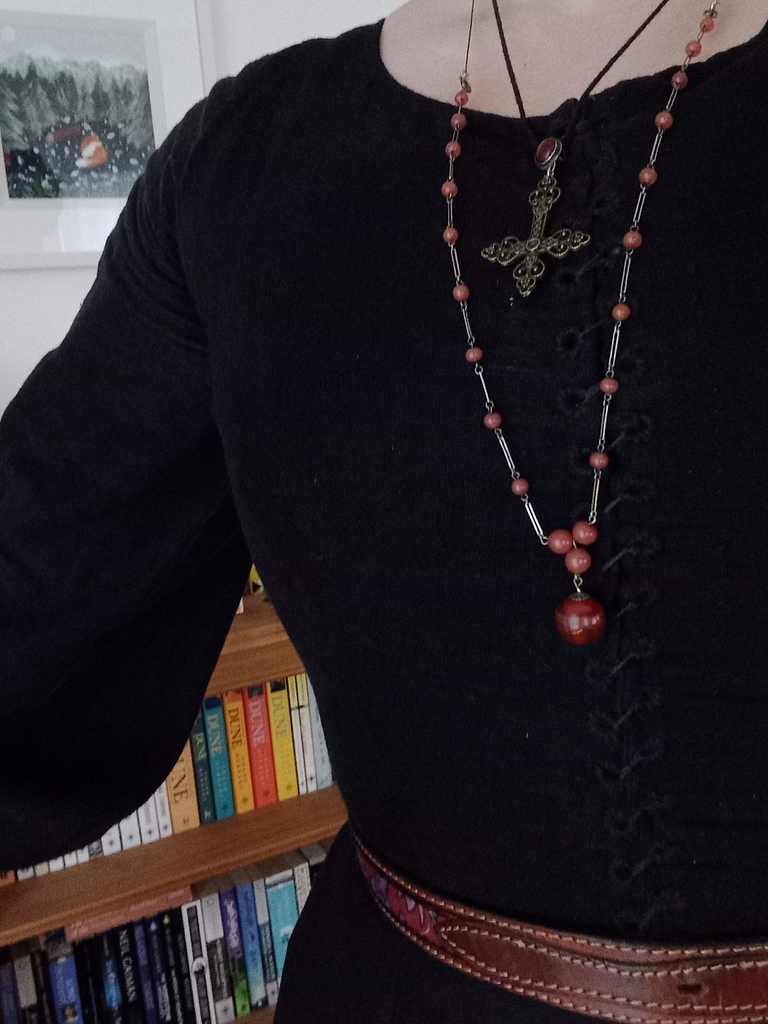
Q: What about construction details? Isn’t it squeezy!? Did you make any mistakes!??!??
In terms of construction, I wanted practical movement and a well placed waist-line. I wanted better bust accommodation and garter straps for my socks! (On shorter sock days, I use garters just below the knee, fastened to the outside.) The basis from which I built this custom corset pattern was an early 1910s corset style called a ‘long-line’ corset*. This is not to be confused with the early Edwardian ‘s-bend’ corset. I am already exceptionally curvy and I wanted something that was elongated and smoothing to accommodate my more medieval days. (Corset didn’t exist in the middle ages). Think, John William Waterhouse paintings as a visual starting point… or something by Eleanor Fortescue Brickdale.


The added benefit to this type of corset is that it is structurally already quite difficult to lace down too far. It’s a very flexible fit. The waist line cinches where the tummy and spine is the squishiest and most flexible – which serves as an anchor point – and the rest of the corset provides gentle support radiating out from there, up and down.

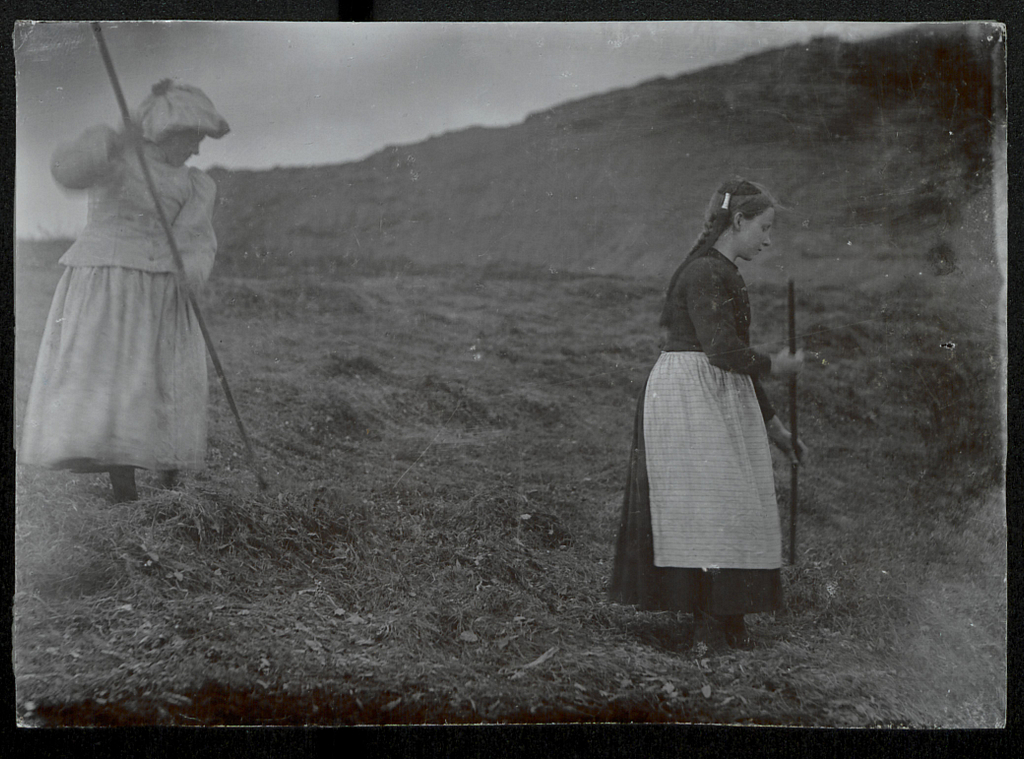
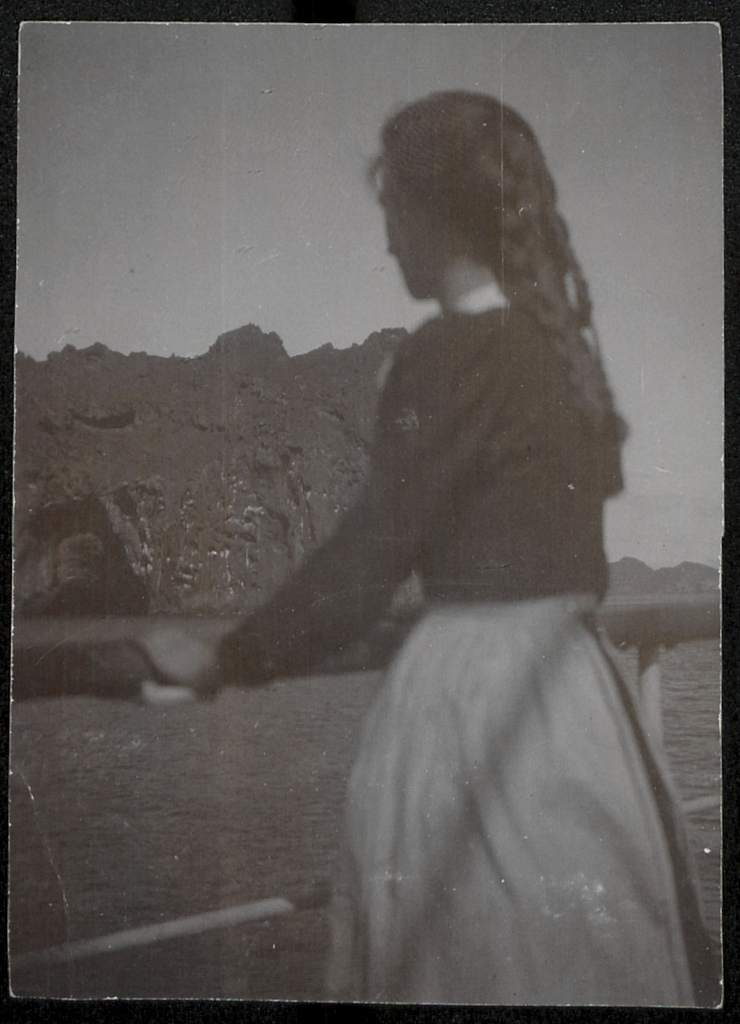

Without romanticising the ‘rustic’ or glorifying deplorable 19th century working class conditions, a lot of what I am going for is based in working class clothing and practicality. Minimal waste, strategic reuse of mostly second hand fabrics, patching and mending as needed… and planning for movement and more active daily patterns. I make my own soap, I like to cook, I cut out fabrics laid on the floor, I paint, walk, run errands, and frequent pubs in what I sew and the corset is part of what *enables* that (especially as someone with bad spine, joint, and inner organ problems! It works much like a flexible, custom fit back brace with almost no singular pressure points such as a bra band or staps!)
Here is a lovely tertiary resource – a youtube video by Cat’s Costumery – on working women’s corsetry:
In terms of the reality of sewing and making mistakes, I discuss various changes and design elements in my corset video but here is some added detail:


You will see in the photos that I made the corset too big and had to fold down the last panel on either side! At some point I’ll unstitch those panels and adjust them more thoroughly…You will also see, in the photo below, that it seems I made the bust too high originally. My body has also changed slightly in recent weeks so I have re-cut the top and sloppily rebound the edge. It looks messy but it’s strong thread and fits like a glove!
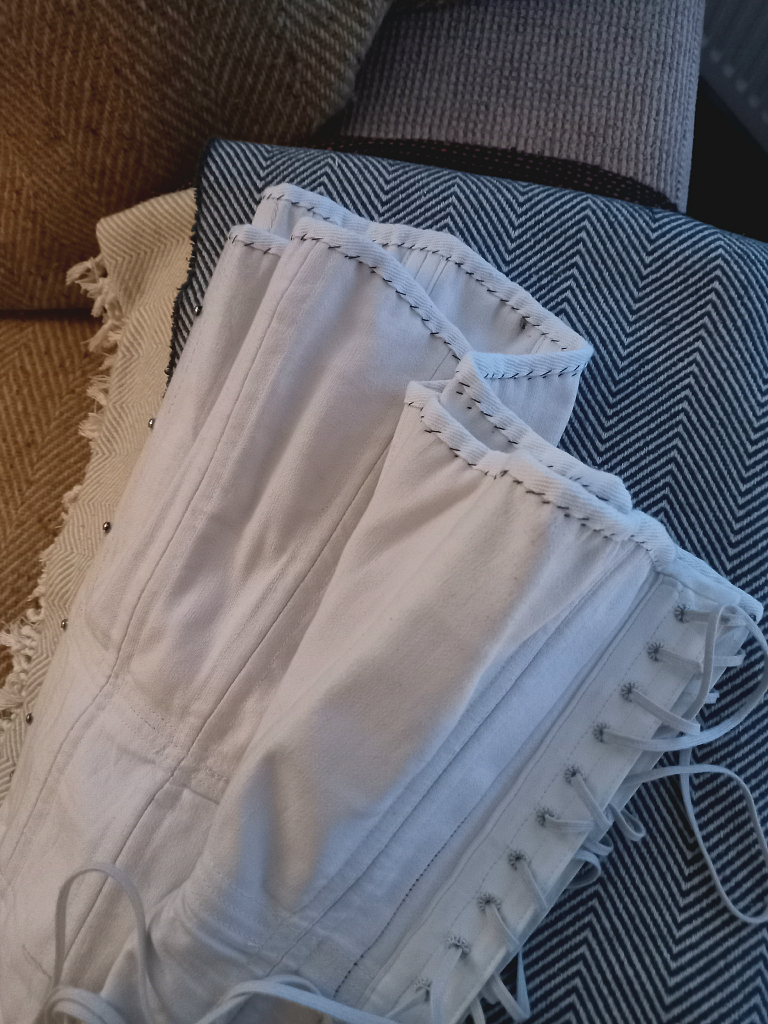
I think this is SUCH a fascinating process… homecraft & creative techniques to fashion a look and way of moving embued with dark mystique!!! I’ll be happy to answer any questions in the comments or even just say hi! And there will be more posts about sewing coming soon. I’ve been up to some pretty crafty shenanigans of late!
* Some basic starting points for this kind of corsetry:
I have put together a playlist creators’ resources to do with costuming/sewing techniques on my youtube channel. It’s called “Clothing is Magic” and covers techniques, diversity, inclusivity, and various different time periods I find interesting as well as some old footage of clothes in motion!
Further resources & citations on working clothes and photographic anthropological/social/immigration documentation:
NOTE: While there is a prevalence Nordic or Northern European imagery in this blog post, this is mainly due to a different (personal) research project on which I am working (very slowly). What I mean to illustrate is that there are practicalities of silhouette and construction that interest me in folk costume and working clothes. This post has also been limited by what is available in the public domain etc.
You can find Part One on “How We Might Live” by Suzanne Fagence Cooper here.
I have waited longer than initially intended to craft my thoughts on “How We Might Live” into something cohesive. As with all things, I hope to evolve these ideas over time but for now I think the impression that prevails is one of disappointment, then surprise, and then surprise at my own surprise.
Firstly, the book itself and the quality of work that went into it is not the object of my disappointment. It made for an easy, empathetic, and affable read and enabled the process to move along quite quickly, despite the thickness of the volume. I particularly enjoyed the dynamic relationship Cooper sustained between personal histories and extant source material – correspondence, financial records, references to ink vs. graphite notes, collections of friendship or travel books, ephemera etc. Discussion of what records have not survived also abounded. As a former archivist I am quite familiar with how this forms a crucial part of the complete-est picture we can hope to present ourselves of any portion of the past…
Perhaps this is a good segue into my issue, however. I know all too well that no artistic persona or lionisation of historical figures will bear the scrutiny of a grounded perusal of their personal notes, correspondence, and journal entries. Sometimes I even think artists must be the most petty and manipulative individuals amidst an already deeply dysfunctional humanity at large. (I mean, I do qualify my worldview as rather misanthropic.) The book ended up being more about the artists themselves (and their wives): their miscommunications, their struggles to prioritise friendship amidst demanding financial realities or social mores, and their many affairs and jealousies.
I was perfectly unsurprised to find that my distaste for Dante Gabriel Rossetti, as a person, continued and even ripened into full bloom. I was also unsurprised to find that what social power or currency the Pre-Raphaelites (& co.) gave women as artists was diminished and de-prioritised but I hadn’t expected to learn in detail quite how early this diminuendo began. They never disappear entirely (I imagine one could hear them almost as a constant tremolo beneath the arching ‘romantic’ narrative symphony of the male artists’ lives and careers… harmonically relevant but tense). I wish we could have heard even more from Jane or Georgie or first hand from more of their friends. I was dismayed to conclude (mainly for myself) that in spite of being ‘immortalised’ and made ‘divine’ in so many paintings, Jane Morris was likely never truly loved in a romantic sense by anyone.
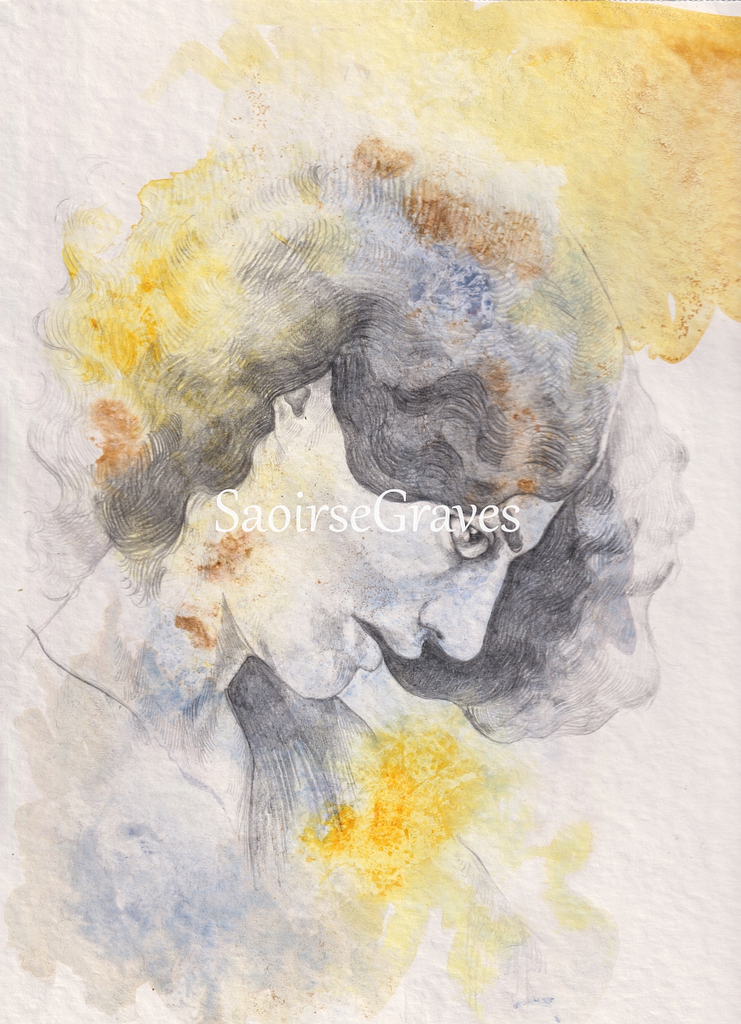
Certainly she has/had been viewed and assessed – valued for her glamour. I recognise the agency in making your own clothes, going against established dress-standards of the day, in navigating socially foreign dynamics etc. I recognise learning things later too… picking up new instruments, acquiring new languages, new poets. But again and again she is seen by others as the woman in all the portraits… her chronic pain mocked or demeaned…mentally examined, ogled, and undressed by would-be artists or would-be lovers: “[a] dark silent medieval woman with her medieval toothache.”*

This book has spoken loud and clear to my long-standing problem with the trope of “artist’s muse”. More on this in a second…
I should say that “How We Might Live” was absolutely not without interesting and valuable ideas and sources of inspiration. I was very interested to read about William Morris’ mannerisms, passion, and methods of work. I have seen elsewhere that there is an overall impression that he may have been neurodivergent…possibly autistic. He certainly makes a compelling case. Hyperfocus, seemingly rather time-blind, intense sensory experience of colour/tonality/repeating patterns, visual metaphor, the insistence on learning deep and well… a tendency to fly in to ‘rages’ and hit his head in distress, intense clumsiness… difficulty in understanding dishonesty or in perceiving when his listeners lost interest (or even WHY they might NOT be interested to begin with), etc. It seems epilepsy also ran in the family.
All of this has been very personally nutritious… It wasn’t 100% what I was aiming for in reading the book but it has left me with some greater clarity on an issue that has dogged me my entire life: muse or artist?
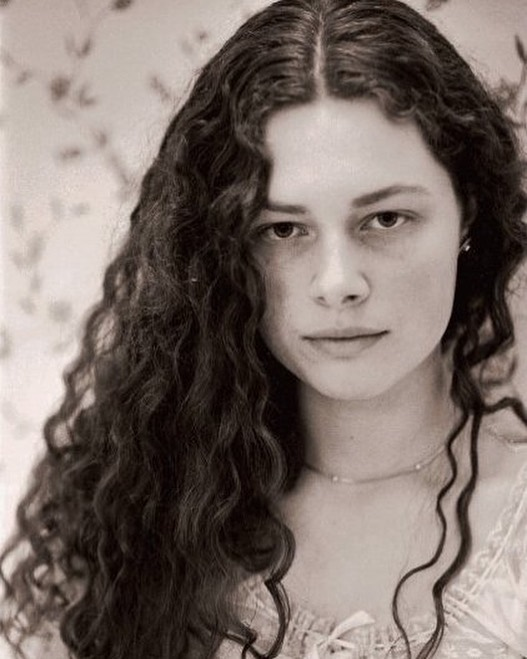
I have been nudged since I was quite young in the direction of artist’s muse – my earliest compliments were that I looked like a painting. Those socialised as female/feminine in American suburbia will likely recognise what it is to be pushed into purely aesthetic means of gaining social value. There may have been some small added grace given to those showing early savant-like promise – but it couldn’t grant immunity and I was ‘just’ an artsy weirdo. Teachers wrote me poetry but I had unkind friends and simply decent grades. There are too many reasons and personal experiences to enumerate here regarding why this issue plagues me so badly… that’s a topic for future posts (maybe). But I think what I am realising is that to balance being a muse with being an artist is to be your own muse. In a self-curious way. In an organic way, situated in a human as well as non-human landscape. In life experience, in narrative, in music, in sensory detail, in love, grief, kindness, empathy, social justice…and as some kind of value add. It’s a form of integration where selfhood or ‘persona’ takes its place as a small part of a much larger world. And thank GODDESS none of us are actually immortal!
(Neither, by the by, are paintings.)
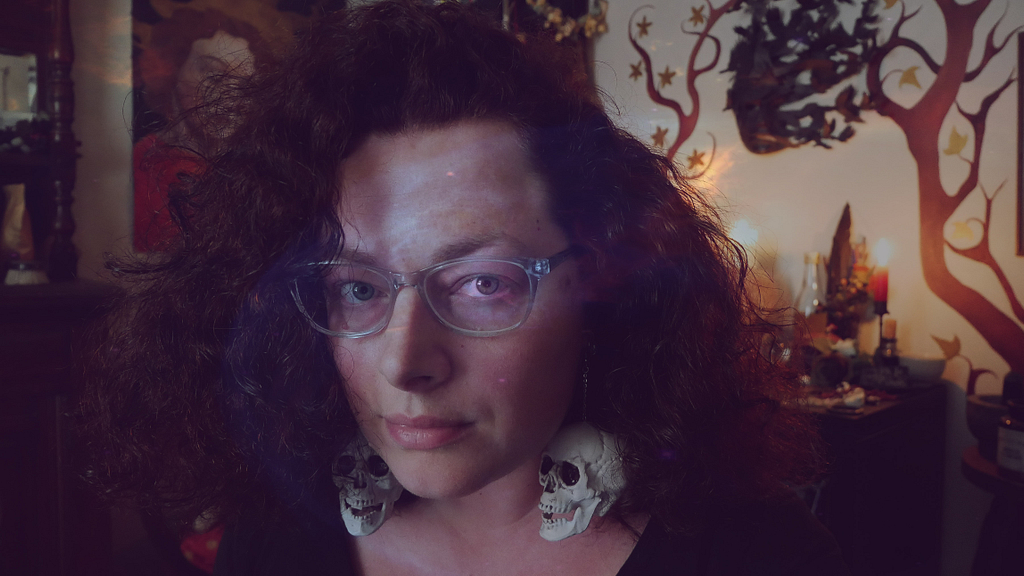
Sincerely,
Sorsha.
PS. I have more to say about this book… about the book itself but also including a dream I had and so on. For another time.
* Henry James to Alice James, p. 199
** Banner image from unused footage, Lá Bealtaine/May Day 2023
“The true secret of happiness lies in taking a genuine interest in all the details of daily life.” ~ William Morris
Anyone who has followed my ‘output’ thus far will likely perceive that I spend a lot of my time immersed in the idea of ‘crafting self’, in the creative act of (re)making identity. Sometimes I call this ‘shape-shifting’ and it takes on quite literal ritual significance. Sometimes it finds expression through changeling motifs and the development of a personal mythology of sorts around my neurodivergence. It is, of course, present in all of my magickal workings, many of which manifest into clothing or art work. These are literal acts of creation that have a reflexive nature (in how they shape me) in addition to an outward one (in how I shape them, the effect their expression has on that which is external.) My most recent video focuses on taking attentive delight on beginner applications of paper marbling:
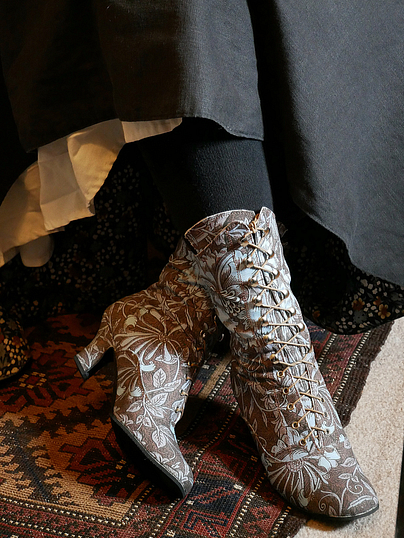
I even made an entire video about manifesting the astral or the realm of the imagination – weaving together ‘Secret Garden’ motifs with Edwardian, Victorian, and Medieval aesthetics… culminating in the commission of a real pair of shoes – in William Morris fabric and loaded with personal significance, magickal potency, and serious gratitude.
Late diagnosis autistics in particular face the challenge of unmasking, self-advocating and self-representing to the world even as they themselves strive to learn the basics of their own needs. There is a lot of discussion in that process of needing to *create a sense of self*… since everything you have been (or were permitted to be) has been focused on fitting in and survival. Personally, in the year or so before I sought my diagnosis, a social worker was talking me through some very serious and destructive circumstances I had left behind and she said “now is your chance to reinvent yourself”.

… One thing I have been working on is rebuilding my reading skills, knowing what I know now about neurodivergence. Non-fiction seems to be working better for me and I want to document some of the ideas I receive through that in occasional installments on this blog. Currently, I have begun reading “How We Might Live: At Home with Jane and William Morris”.
I found out about this book through a podcast ~
At Home With Jane and William Morris: Suzanne Fagence Cooper (1862) …from “Travels Through Time”
I had been looking online for any resources that might give me more information about Jane Morris specifically. Thus far I am not disappointed. The focus in this worldview, time period, and set of people is not only on making aesthetics a tangible element of daily life but on making that matter. I am excited at the prospect of getting a more holistic picture of the Morris’ family’s works and philosophies – and of those around them – but I am also interested to see flaws, to see where idealism potentially remains unwieldy or takes a less constructive real form. There is a quotation at the end of the first introductory segment that makes me feel so seen I almost cried (one of the reasons I struggle to read, I cry a lot!):
“When I first knew Morris nothing would content him but being a monk, and then he must be an architect, but when I came to London and began to paint, he threw it all up and must paint too, and then he must give it up and make poems, and then he must give it up and make window hangings and pretty things, and when he had achieved that he must be poet again, and then he must learn dyeing and live in a vat and learned weaving and knew all about looms, and then made more books and learned tapestry, and then wanted to smash everything up and begin the world anew, and now it is printing he cares for and to make wonderful rich-looking books: and all things he does splendidly: and if he lives the printing will have an end, and he will do, I don’t know what, but every minute will be alive.” ~ (Edward Burne-Jones after 40 years of friendship with Morris, p.6)

…In the past I have performed on the violin in master classes with the likes of Andrew Manze or in orchestral ensembles at Carnegie Hall and Lincoln Centre. I have spent years throwing clay on the wheel or oil painting. I have immersed myself in learning trad music in the Rockies… or in studying Medieval art and social political history in Ireland. I offered hand painted wearable fairy wings for sale in a shop in Dublin. I have been an archivist in three different countries and a rare books librarian in art historical institutions…

These days my art focuses on textiles or coloured pencil, acrylics, and gouache. I make my own inks. I sew my own clothes utilising historical techniques and all my sewing is done without electricity. I make my own soap to wash my hair and my body. I use homemade hair oils and brush my hair with a boar-bristle brush from 1916 (to reduce purchase of new materials.) The list goes on… But what do I do with this cumulative hodge podge of intensity?! I am aware that such passions may lead to personal dysregulation and can replicate different kinds of personal and professional burn out over time. ‘How might I live’… if what I also want represented in my surroundings is both stable and flexible? (Especially in relation to the numinous world around me?) What does that look like? In my view, answering this question is the business of a witch.

I would love to hear your thoughts in the comments! How do you process your goals and dreams? What do they look like? Maybe you don’t even use visuals to do that! All perspectives are valid and welcome here.
With (potentially stubborn) sincerity,
Sorsha.
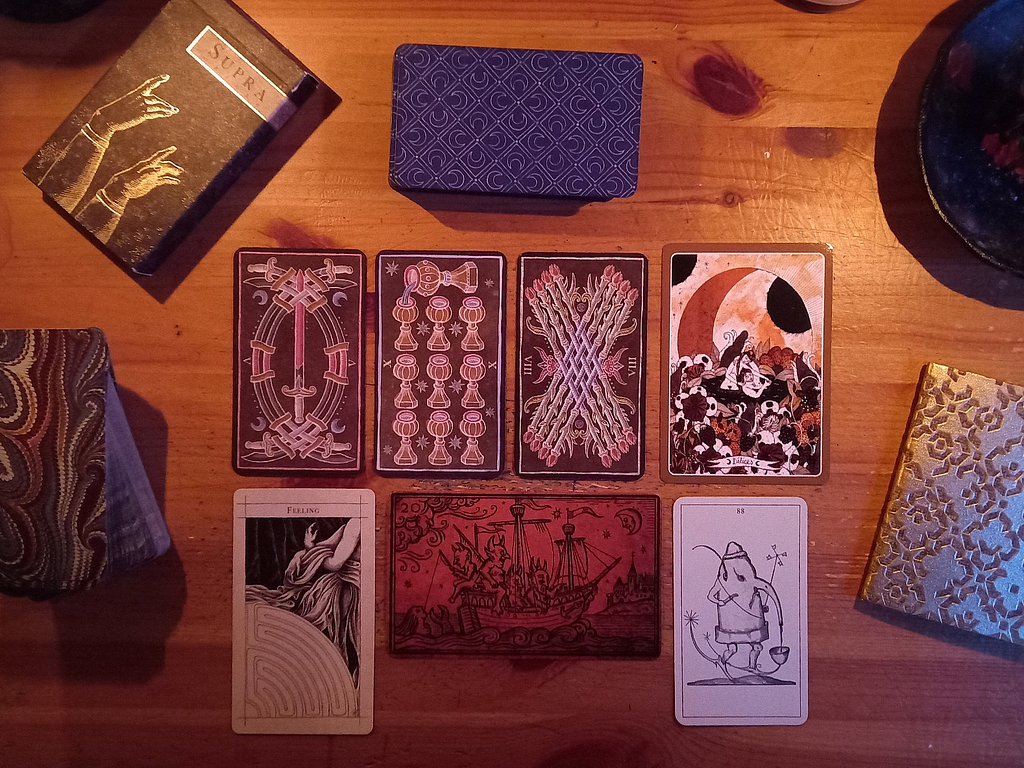
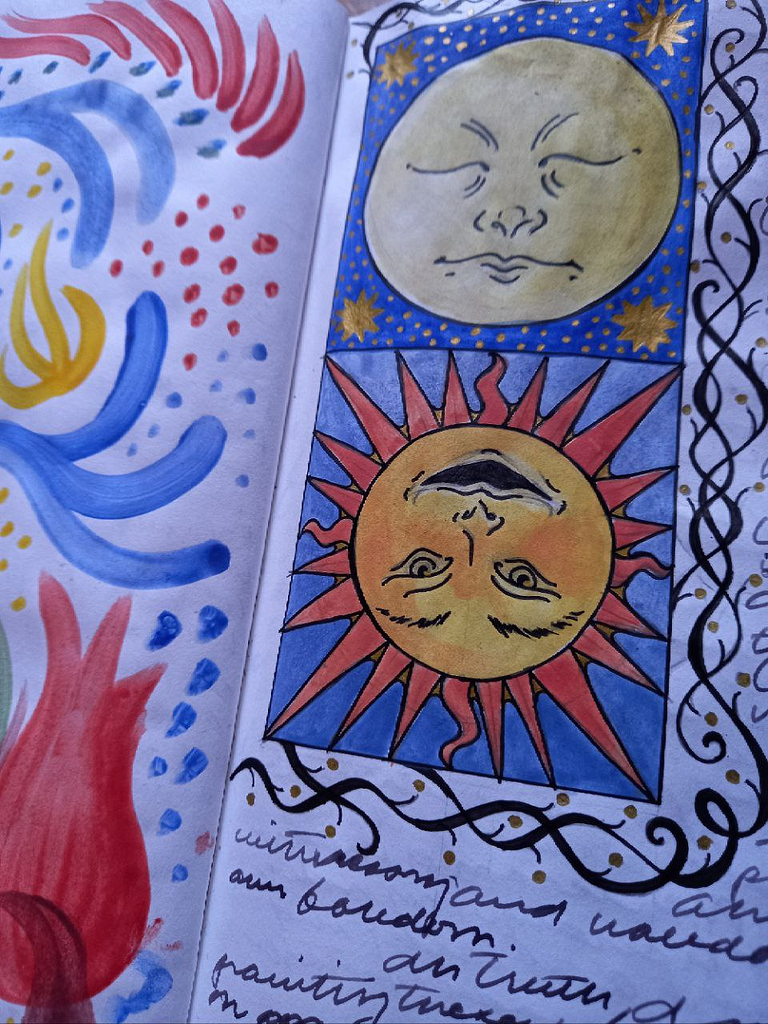
*Header image features “How We Might Live: At Home With Jane and William Morris” along with The Noble Art Tarot by Lennan Smith.
*This blog post has not been comissioned or sponsored in any way. Any products shown in my images are in the process of being used and no suggestions (implicit or explicit, direct or indirect) are conclusive or objective. I do not do reviews.
Why art and altar? Why medieval and magic?
My aim with my online presence in a holistic sense is to do the work of further developing a unique and authentic artistic style and to build that as an inseparable part – maybe even just an outward expression of – my witchcraft and personal paganism. (In some ways, my goal is also to work myself up to a place where I can open my etsy shop and trust myself to handle things like paper work and post offices with reliability.)
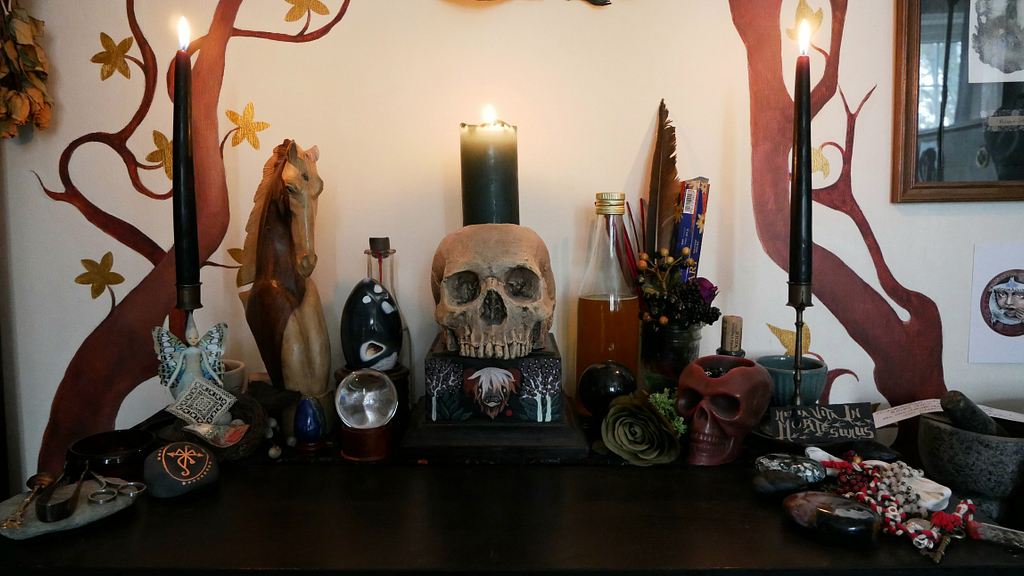
There are many topics that get poured into this massive cauldron of bubbling inspiration and what I want to do is explore that process in a conscientious, intentional manner so that whatever comes out (at any given time) does so as fully considered, balanced, and informed as it can be at that time. Some recent ingredients (or topics) of focus have centred around revamping my altar and strengthening the practical aspects of my devotion to the Morrígan.
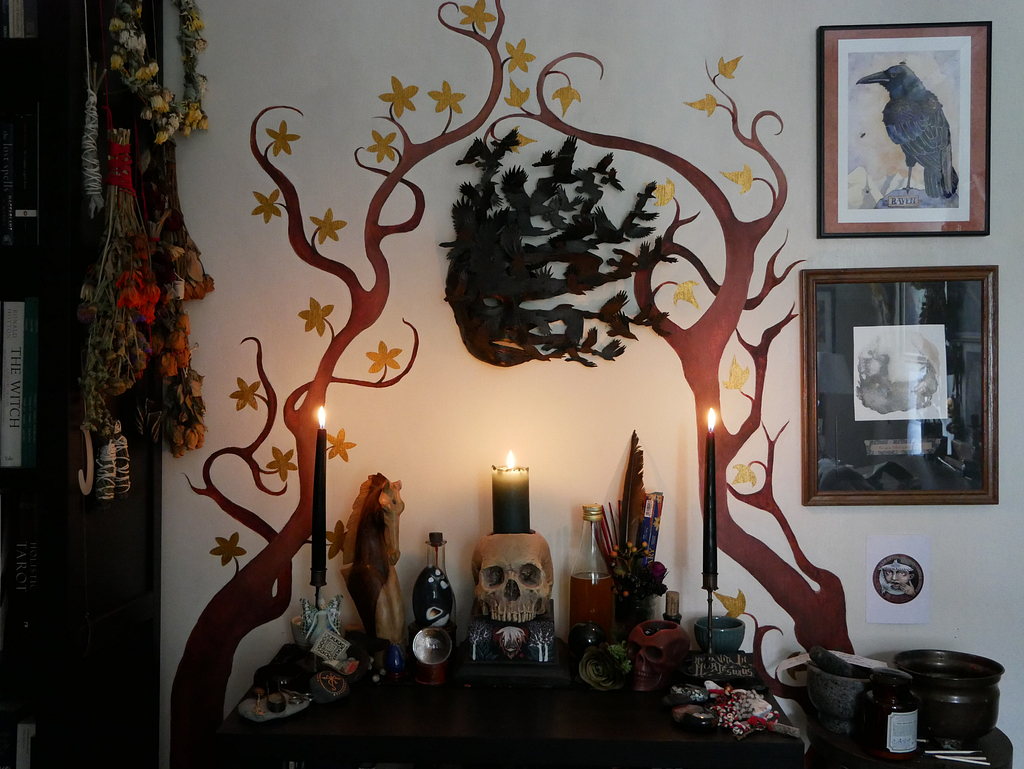
I wanted the art on my altar to function more directly on the Morrígan in her many aspects. I have felt for a long time that I was placing too much emphasis on her bird forms (Badb), her horse forms (assuming we take Macha to be a facet of the same goddess or even her sister), and to some extent her association with war and death. Thus, the altar has the bird, the horse, and the more cosmic otherworldly aspect accounted for but no wolf, cow, or eel… and also no succinct representation of triplicates either! (It used to but hasn’t had for a while – long story.)
The next question I had was how could I represent so many new animal forms without entirely dismantling my altar for a new layout? I generally take a medieval inspired approach to Irish myth so the first place I looked was medieval manuscripts for representations of the animals in question (or near enough). Below are some examples (including source information) of wolves, cows, and…anything like a snake or fish to give a stylistic basis for drawing an eel. (Oddly, eels were fairly commonplace food items in the middle ages but I’ve had a hard time sourcing properly cited examples. Thanks Pinterest 🙄)
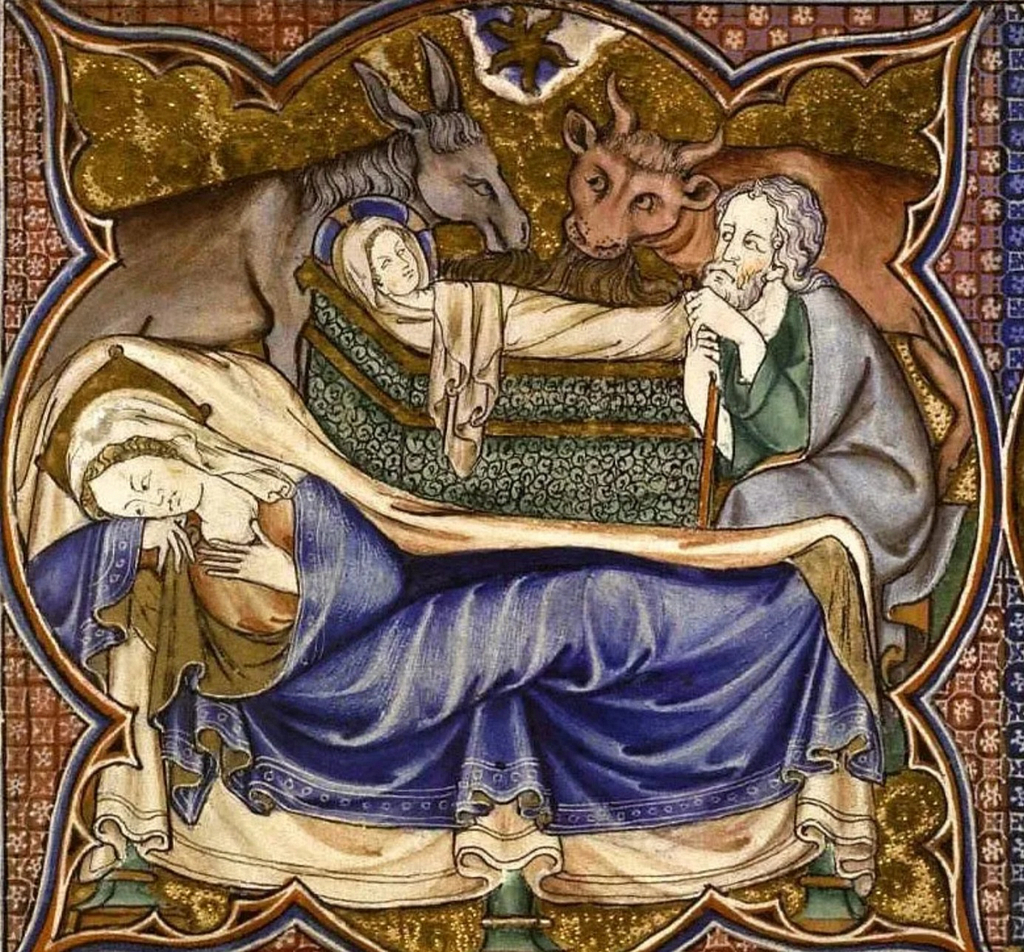
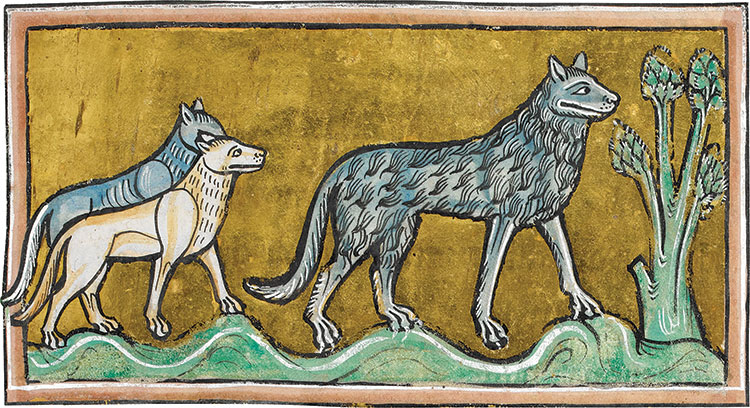

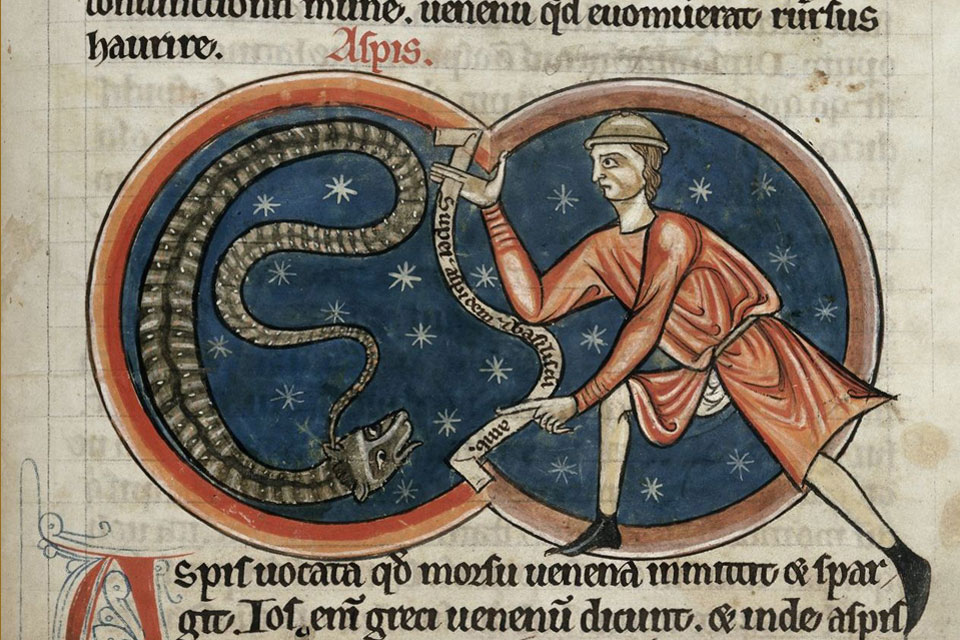
I am also always itching to paint on my furniture (and my walls…as with my altar space) and this seemed like a very good, risk free chance to work on developing my own technique inspired by medieval aesthetics and mimicking various folk styles such as Scandinavian (esp. Norwegian) rosemaling. I also grew up and worked in an area of the US with a lot of old houses that featured strange old paintings in their attics from the folk arts movement – an artistic tradition that included painting folk motifs on furniture as well. Below are some examples that I used as a basic reference as well as a page of my Book of Illuminations where I had some fun practising brush strokes!
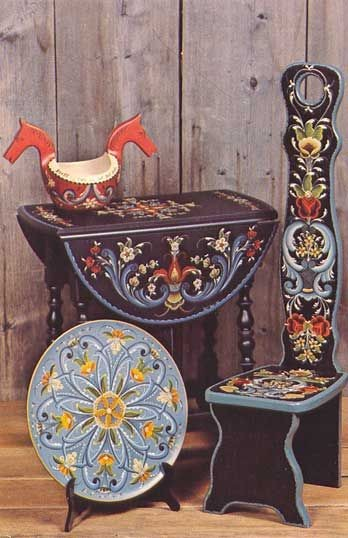
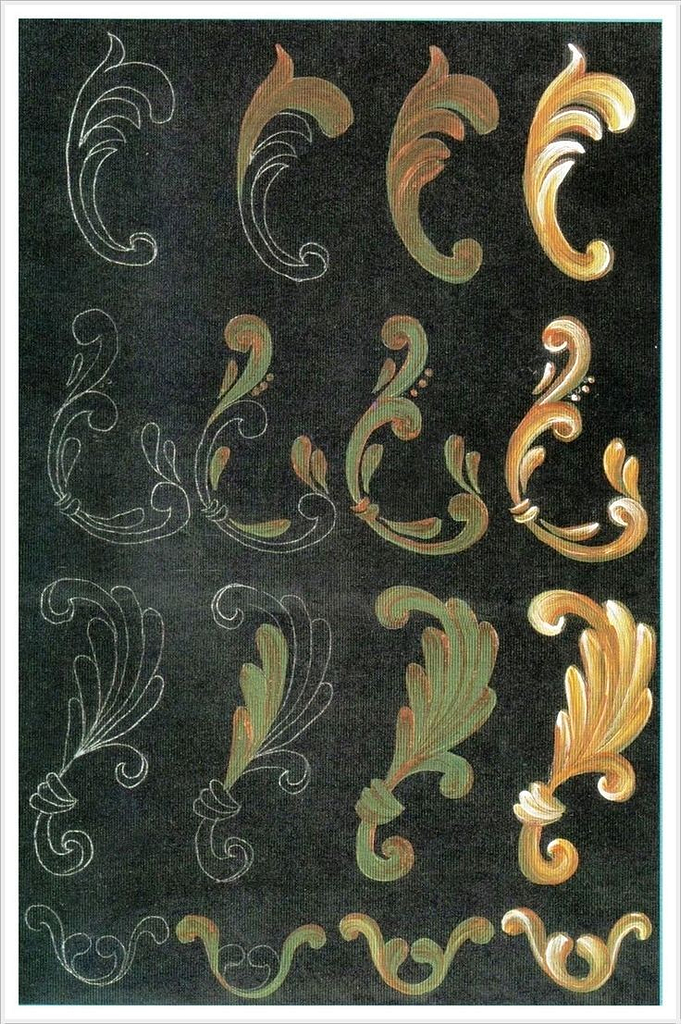
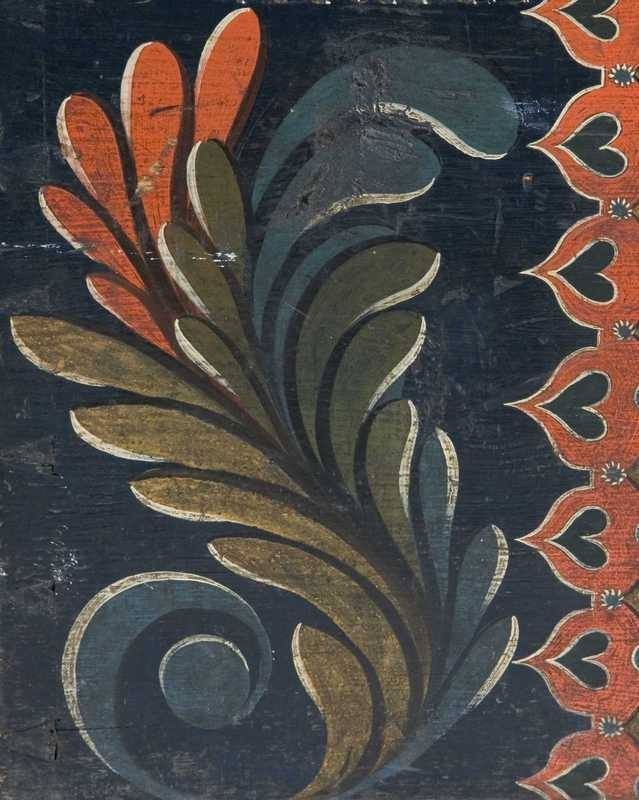
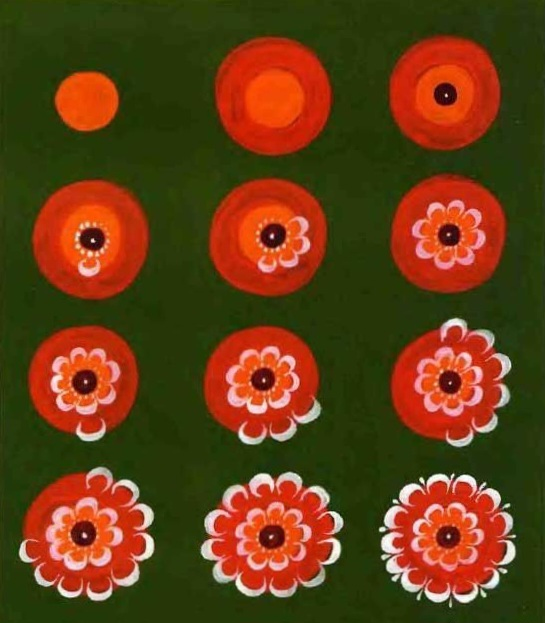
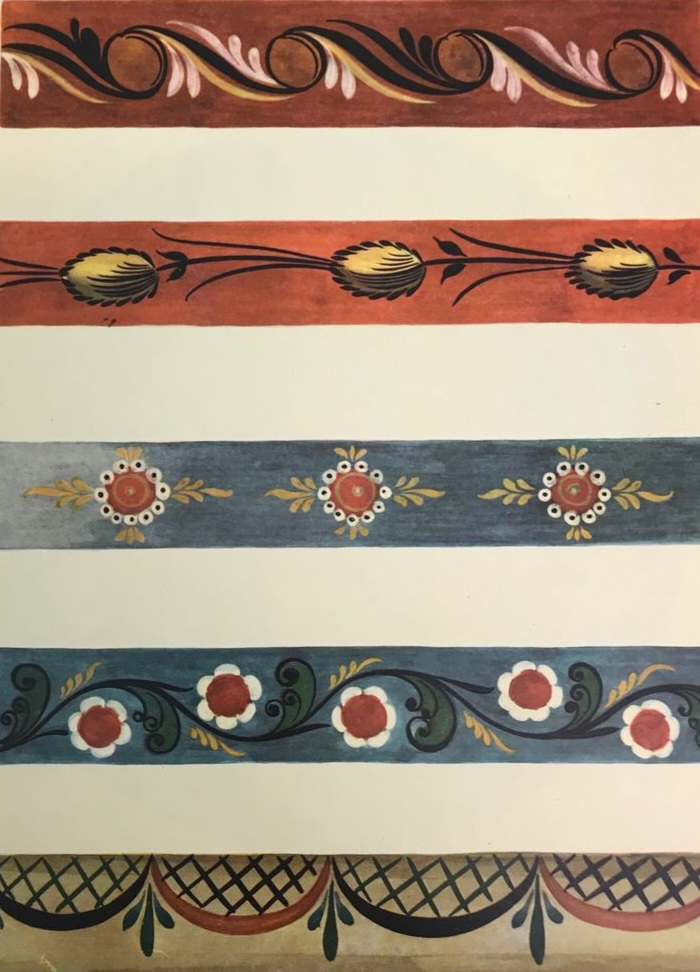
So I went to the vintage/antique shopping. Among other treasures such as a white rosary specked with what I assume is years of incense resin and a really beautiful old green glass bottle…I found a black wooden statue base. Bought it, took it home, cleaned it up and worked on designing how to paint it! Yorick was being fussy about the box he had been on anyway. 😉
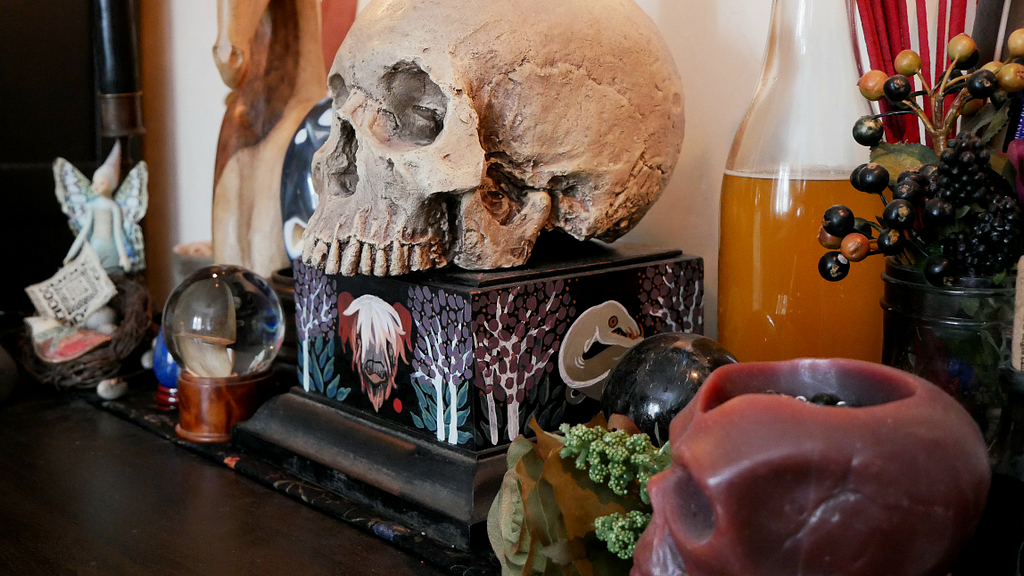
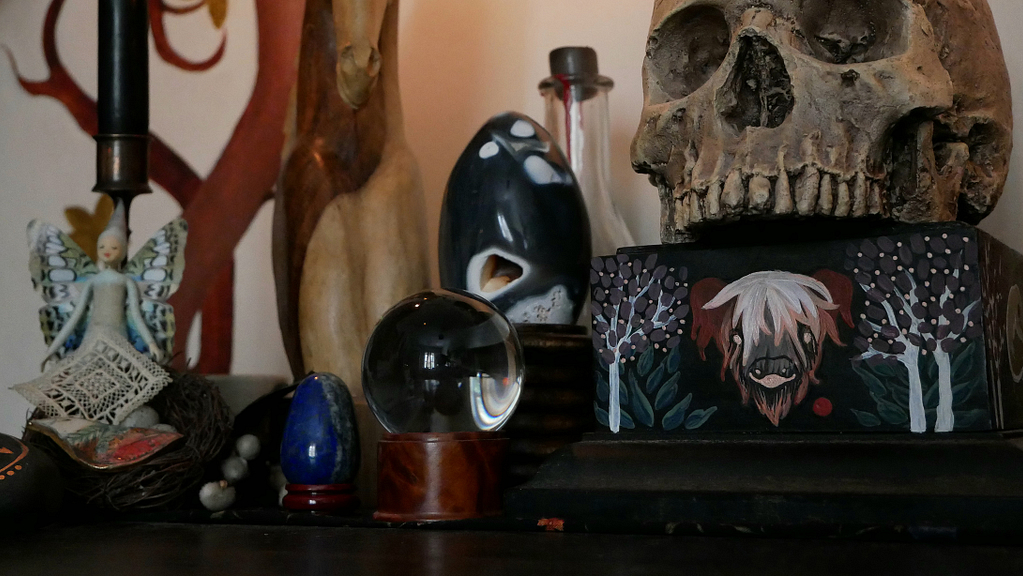
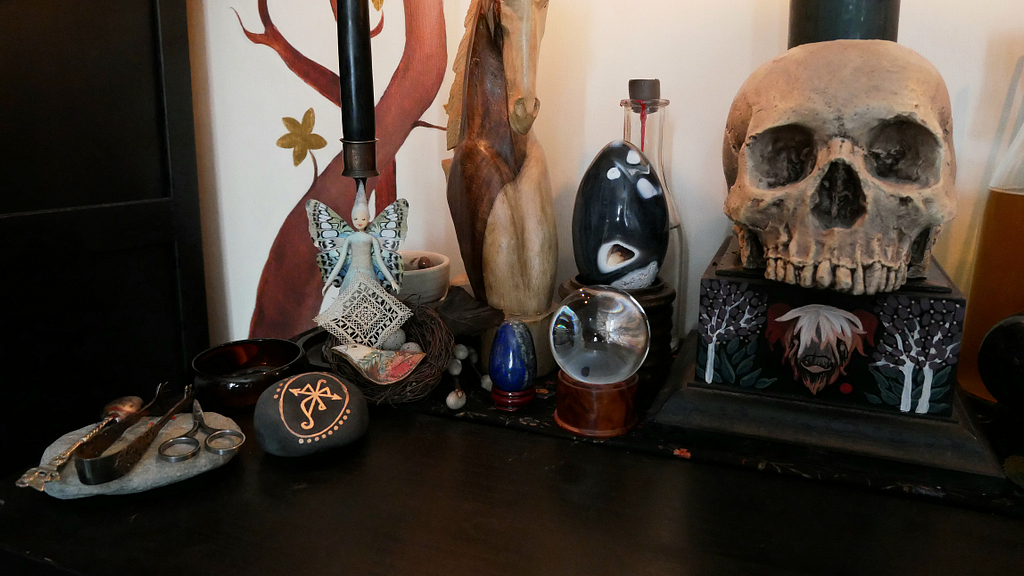
Out of all of this I designed three panels for the statue platform. I incorporated a few William Morris/Arts & Crafts movement/stained glass inspired elements as well (most notably in the birch trees and the leaves behind them.) Note! The cow faces forward and is also somewhat based on modern highland cows… The part of the Táin where the Morrígan takes this form describes Her as a ‘hornless red heifer’. I decided to lighten the colours on her head and keep her ears red as a slight nod to otherworldly cows or cows from the sidhe which are often described as white with red ears. The final product also shows three drops of blood, one for each animal, which are placed spatially in such a way as vaguely indicates where Cúchulainn’s sling shot injured Her in each case. Below are my notes and sketches!



The final result up close and in situ! This shrine feels so much more complete now. Best believe the gold of Her eyes lights up in reflected candle light.
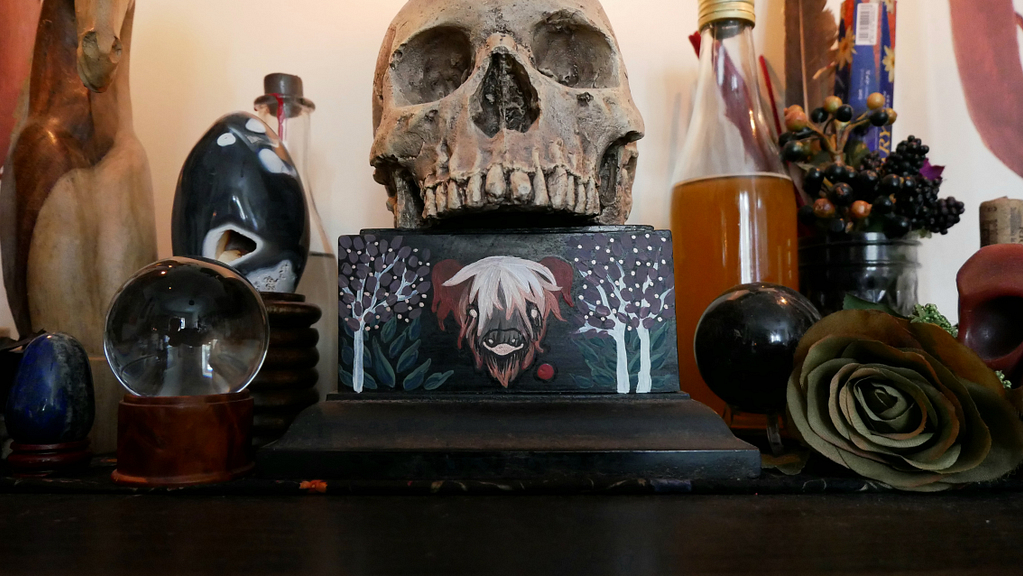
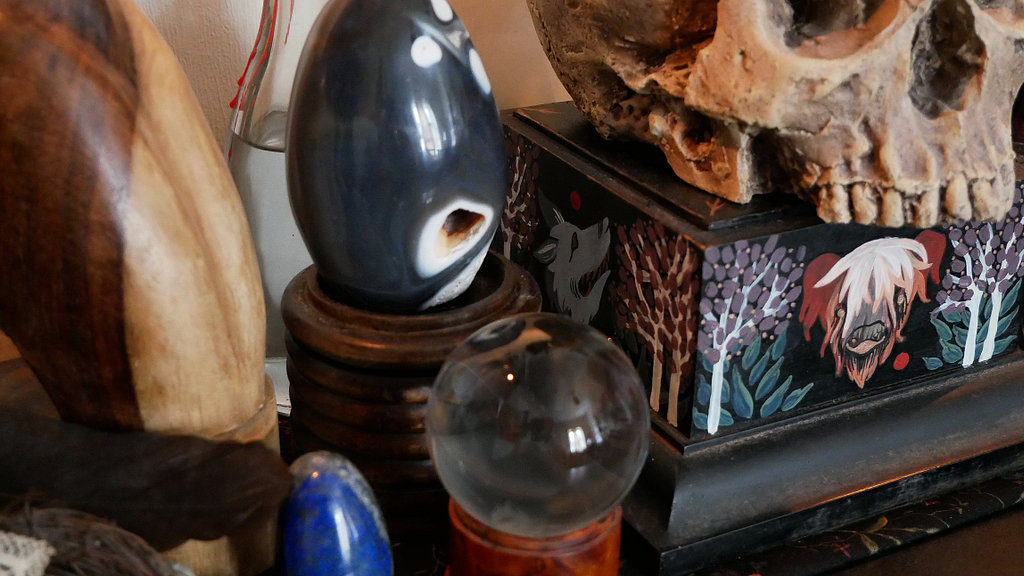
A video showing some of this process will follow in a day or so, so stay tuned for that! I will endeavour to update this blog post with the embedded video when it is ready.
~ Sorsha.